Choosing a rehabilitation facility for someone struggling with alcohol or drug addiction is an important decision for the individual and their family. The right Rehab Centre should provide appropriate professional support, a safe environment, transparent information, and a treatment plan based on the person’s needs. Families should look beyond advertisements and consider the quality of care, staff qualifications, treatment methods, and long-term recovery support.
For families exploring a Rehab Centre in Noida, Delhi, or Greater Noida, understanding how rehabilitation works can make the selection process more informed and less stressful. A reliable facility should respect confidentiality, explain its admission process clearly, and help individuals understand the different stages of recovery.
SimranShri Rehabilitation Centre, founded by Ms. Geeta Tewari, has eight years of experience supporting individuals and families. The centre reports having supported more than 2,000 families across North India, with experienced staff bringing over 30 years of combined experience. Here are seven important factors every family should consider before choosing a rehabilitation facility.
1. Check the Centre’s Approval and Safety Standards
Before selecting a Rehab Centre, verify its registration, applicable approvals, and compliance with the regulations governing its services. Requirements can vary according to the facility’s location, structure, and the treatments it provides.
A responsible facility should be transparent about its credentials, admission policies, safety procedures, and patient rights. Families should also ask how the centre manages emergencies, protects personal information, maintains hygiene, and ensures appropriate supervision.
Questions families should ask
- What registrations, licences, or approvals apply to the facility?
- Are emergency procedures and medical referrals clearly established?
- How are patient privacy, dignity, and personal belongings protected?
- Does the facility comply with applicable building safety, fire safety, sanitation, waste management, and environmental requirements?
Environmental compliance is an important part of responsible healthcare. Facilities should manage clinical waste, sanitation, water use, and other environmental risks according to the rules applicable to their operations. These practical checks help families evaluate whether a facility takes safety and accountability seriously.
2. Verify the Qualifications of the Treatment Team
Addiction recovery can involve physical dependence, psychological challenges, emotional distress, and changes in family relationships. A qualified treatment team should recognise these different needs and arrange appropriate professional care.
When evaluating a Rehab Centre, ask who assesses patients, who supervises detoxification when required, and which professionals provide counselling or psychiatric support. Families should verify professional credentials and understand each practitioner’s role rather than relying solely on job titles or promotional claims.
SimranShri Rehabilitation Centre identifies the following professionals as part of its care network:
- Dr. Vikas Singhal — Psychiatrist.
- Muskaan Trikah — RCI-registered clinical psychologist, as listed by the centre.
- Shreya Sarkar — Mental health professional and holistic wellness practitioner.
- Mr. Vineet Sehgal — Senior counselling psychologist.
- Mr. Cyril John — Visiting Counsellor.
Families should independently verify relevant credentials and confirm which professionals are involved in an individual’s assessment and ongoing treatment. The availability of psychiatric or psychological services should also be clarified before admission.
3. Understand the Individual Treatment Plan
Addiction does not affect everyone in the same way. The type of substance used, duration of use, physical health, mental health, previous recovery attempts, and family circumstances can all influence treatment needs.
A suitable Rehab Centre should assess these factors before recommending a care plan. Depending on the assessment, treatment may include detoxification, withdrawal management, individual counselling, group sessions, family therapy, and relapse-prevention planning.
Treatment should match the person’s needs
For example, someone experiencing alcohol dependence may require medical assessment before stopping alcohol, while someone struggling with drug dependence may need a different clinical approach. Cocaine-related problems can also require specific attention to cravings, sleep disturbances, mood changes, and other health concerns.
Families should ask how progress is reviewed and how the treatment plan changes when a person’s needs evolve. Avoid facilities that promise a guaranteed cure or claim that one programme works equally well for everyone.
4. Make Sure Detoxification and Withdrawal Are Managed Safely
Detoxification is an important consideration for people who have developed physical dependence on alcohol or certain drugs. However, detox alone does not address all the psychological, behavioural, and social factors associated with addiction.
A professional Rehab Centre should explain whether medical detoxification is needed, who will supervise it, and how complications are handled. Alcohol withdrawal can sometimes cause seizures or delirium, and abrupt withdrawal from some sedatives can also be dangerous. Medical assessment is essential when dependence is suspected.
Families should ask about access to qualified medical professionals, emergency referral arrangements, medication monitoring, and the transition from withdrawal management to ongoing treatment.
Important: If someone develops seizures, severe confusion, hallucinations, or other serious withdrawal symptoms, seek emergency medical care rather than waiting for a routine admission appointment.
5. Look for a Supportive and Structured Environment
The treatment environment can influence how comfortable a person feels while beginning recovery. A suitable facility should maintain clear routines, appropriate supervision, personal hygiene, respectful communication, and reasonable boundaries.
When comparing a Rehab Centre in Noida with options in Delhi or Greater Noida, families should consider the following:
- Living conditions: Ask about accommodation, sanitation, meals, and personal space.
- Daily routines: Understand how counselling, activities, rest, and other programme elements are scheduled.
- Patient dignity: Confirm that staff follow respectful, non-discriminatory practices.
- Family communication: Ask how updates and family sessions are managed while maintaining confidentiality.
- Safety procedures: Understand how medical concerns, complaints, and emergencies are addressed.
A Trusted Rehab Centre should be willing to answer reasonable questions and explain its policies before admission. Families may also ask whether an in-person visit is possible and what arrangements are available for discussing treatment with the relevant professionals.
6. Compare Costs, Admission Policies, and Location
Cost is an important factor, but it should not be the only basis for selecting a facility. Families should request a clear explanation of fees and understand what is included in the quoted amount.
Before choosing a Rehab Centre Near me, ask whether the fee covers accommodation, consultations, counselling, medication, diagnostic tests, and follow-up support. Confirm whether additional charges may apply and what refund or discharge policies are in place.
Location matters too. A nearby facility may make family visits and counselling sessions more convenient, while a residential programme farther from home may suit some individuals better. The decision should reflect clinical needs, family circumstances, accessibility, and the facility’s actual services.
For families comparing a Rehab Centre in Delhi with a Rehab Centre in Greater Noida, it is helpful to compare treatment arrangements, verified qualifications, safety standards, communication policies, and total costs using the same checklist.
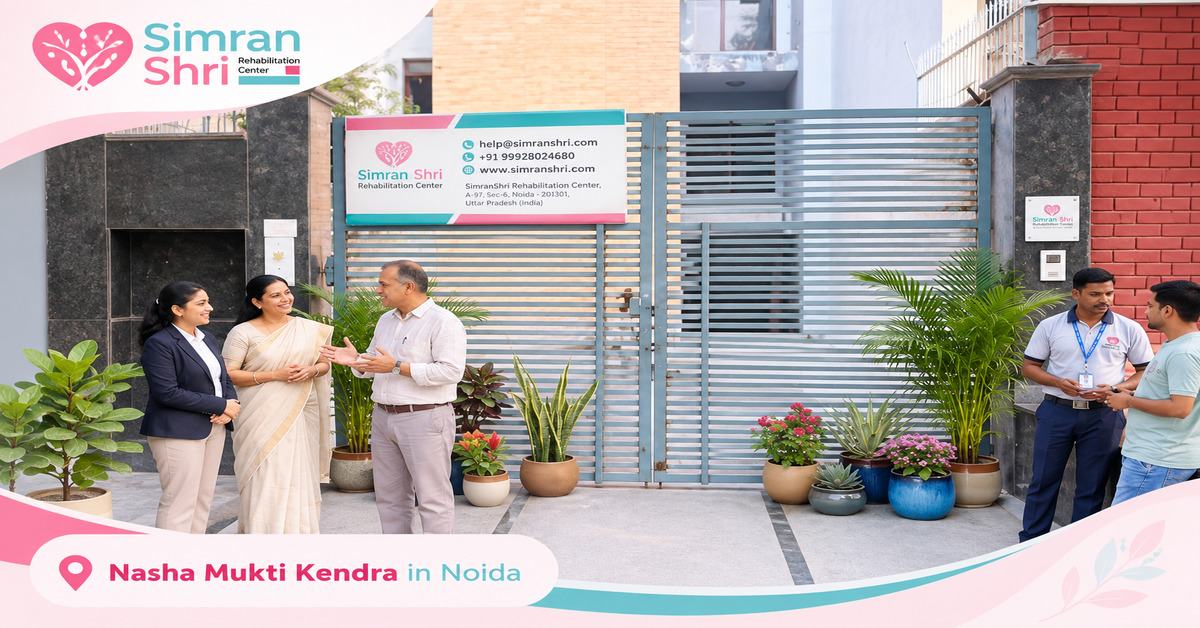
SimranShri Rehabilitation Centre is located at A-46, Block A, Sector 92, Noida, Uttar Pradesh 201304. Families can review its rehabilitation fees and admission process before contacting the centre.
7. Check for Relapse Prevention and Aftercare
Recovery continues after the initial treatment period. Returning to familiar environments, experiencing stress, encountering substance-related triggers, or facing relationship difficulties can make maintaining progress challenging.
A well-planned rehabilitation programme should explain how it prepares individuals for life after treatment. Depending on the person’s needs, aftercare may include continuing counselling, family support, follow-up appointments, relapse-prevention strategies, and referrals to other appropriate services.
What should an aftercare plan include?
- Identifying personal triggers and early warning signs.
- Developing healthy ways to manage stress and cravings.
- Establishing supportive daily routines.
- Planning for follow-up care and professional support.
- Helping family members understand how to encourage recovery without blame or stigma.
A Best Rehab Centre is not simply a facility that provides residential care; it should also explain the purpose of treatment, how progress is evaluated, and what support may be needed after discharge. No centre can guarantee that relapse will never occur, but a personalised plan can help individuals respond to challenges and reconnect with treatment when necessary.
SimranShri Rehabilitation Centre lists relapse prevention, aftercare, family therapy, de-addiction counselling, and addiction treatment among its services. Families should discuss the precise arrangements available and determine whether they fit the individual’s needs.
Why Choosing Carefully Matters
The decision to seek addiction treatment can be difficult, especially when families are concerned about health, finances, privacy, or social stigma. Taking time to compare facilities helps replace uncertainty with practical information.
SimranShri Rehabilitation Centre offers support related to alcohol addiction, drug addiction, detoxification and withdrawal management, counselling, family therapy, and recovery planning. Its team and admission staff can explain the services available and help families understand the next steps.
When selecting a Rehab Centre, prioritise verifiable credentials, appropriate clinical care, individualised treatment, patient safety, transparent fees, and continued recovery support. These factors offer a more meaningful basis for comparison than promotional claims alone.
Frequently Asked Questions (FAQs)
1. How do I choose the right Rehab Centre?
Check the facility’s applicable approvals, professional qualifications, treatment options, safety procedures, fee structure, confidentiality policies, and aftercare arrangements. Ask questions and verify important claims before making a decision.
2. What treatments should a Rehab Centre provide?
Depending on individual needs, treatment may include medical assessment, detoxification, withdrawal management, psychiatric support, counselling, family therapy, and relapse prevention. Not every person requires every service.
3. How can I find a Rehab Centre Near me?
Search for facilities in your area, such as Noida, Delhi, or Greater Noida. Compare verified credentials, available services, accessibility, costs, and the qualifications of the treatment team before deciding.
4. How much does rehabilitation treatment cost?
Costs vary according to the facility, treatment duration, accommodation, medical requirements, and services included. Request a written fee breakdown and clarify any additional charges before admission.
5. Does rehabilitation end when a person leaves the centre?
No. Recovery may require ongoing counselling, follow-up care, family support, and strategies for managing triggers. An appropriate aftercare plan helps individuals continue working towards long-term recovery.