[01]
Understanding Drug Addiction
Drug addiction can gradually become a part of a person's daily life. What may begin as occasional use can turn into regular use, stronger cravings, and difficulty controlling how much or how often a person takes a substance.
Over time, drug use may start affecting things that once seemed separate from it. A person may lose interest in work, stop spending time with family, borrow money frequently, become secretive, or experience changes in mood and behaviour.
This is why addiction should not be viewed simply as a lack of willpower. Repeated substance use can change the way the brain responds to reward and motivation, making it difficult for some people to stop without support.
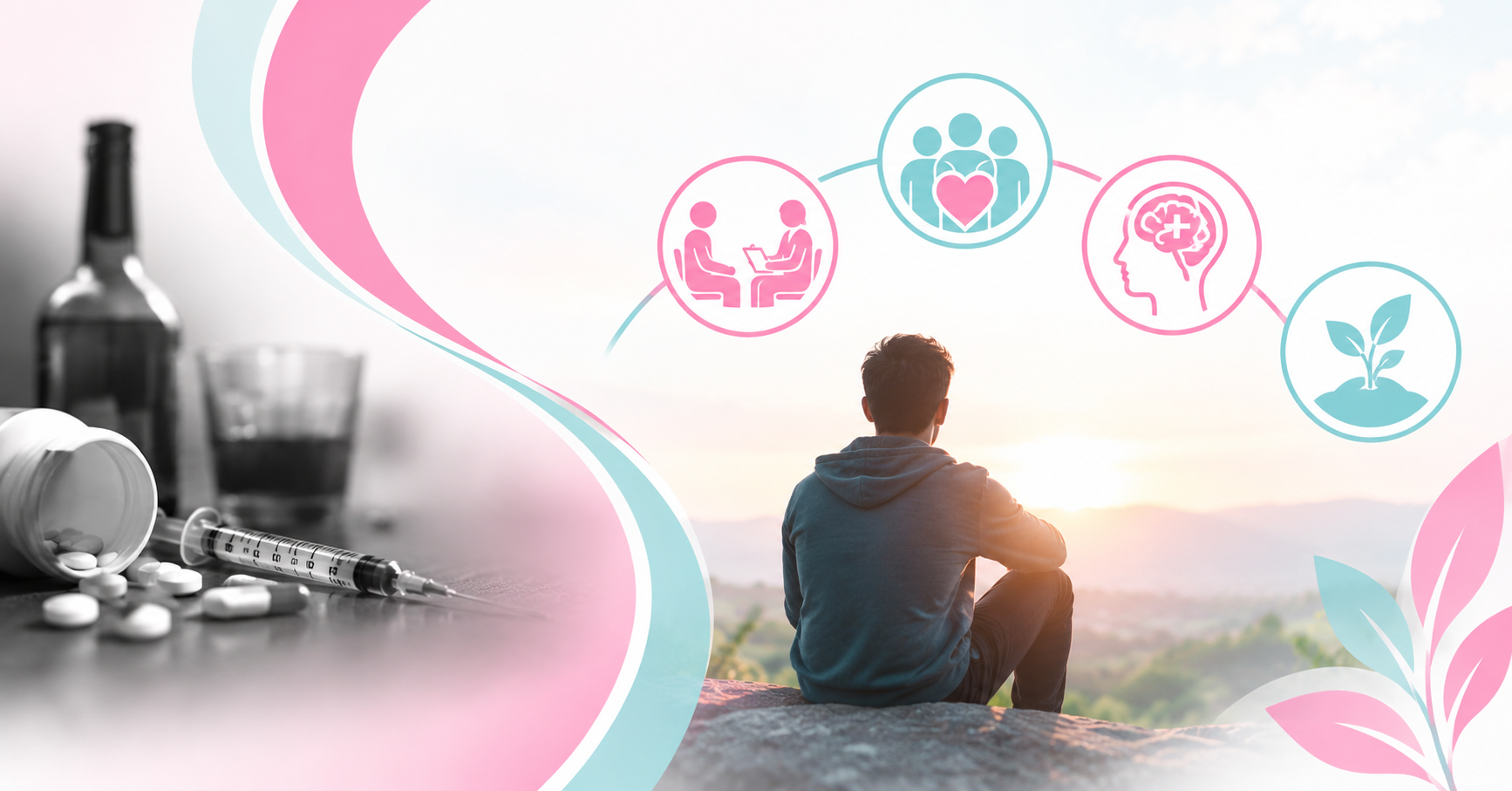
A good Drug Addiction Treatment program looks at the person as a whole rather than focusing only on the substance.
[02]
When Should Someone Get Help?
Many families wait for things to become worse before seeking treatment. There is no need to wait for a major crisis.
If someone repeatedly tries to stop using drugs but cannot, experiences strong cravings, hides their drug use, neglects responsibilities, or continues using despite problems at home or work, it may be time to speak with a professional.
Sometimes the warning signs are more noticeable to family members than to the person using drugs. A spouse may notice changes in behaviour. A sibling may notice that the person has become withdrawn. Parents may notice that money is disappearing or that their son or daughter is no longer behaving as they used to.
These situations can be painful for everyone involved. Getting professional advice early can help a family understand what is actually happening and what options are available.
[03]
What Happens When Treatment Begins?
Starting treatment does not look exactly the same for everyone.
Usually, the first step is an assessment. A professional may ask about the substance being used, how long it has been used, how frequently it is taken, previous attempts to stop, withdrawal symptoms, physical health, emotional wellbeing, and family circumstances.
This information helps determine what kind of care may be suitable.
For some people, treatment may begin with detoxification and withdrawal management. For others, counselling and behavioural support may be the immediate focus. Where there are medical or psychiatric concerns, additional professional care may be needed.
This individual approach is important because there is no single treatment plan that is right for every person.
[04]
Detox Is Only the Beginning
People often think that completing detox means the addiction has been treated. It doesn't.
Detox is mainly concerned with helping the body cope with stopping or reducing a substance. Depending on the substance and the person's health, withdrawal can range from uncomfortable to medically serious.
This is particularly important with substances such as alcohol and certain medications, where suddenly stopping can carry significant risks. Medical advice should be sought before attempting withdrawal when there may be a risk of severe symptoms.
Once the immediate physical effects are managed, the deeper work of recovery can begin.
[05]
How Counselling Helps With Addiction
One of the most important parts of recovery is understanding why drug use has become difficult to control.
Counselling gives a person the opportunity to talk openly about things they may not feel comfortable discussing with family or friends. It can help identify triggers, unhealthy coping patterns, emotional difficulties, and situations that increase the urge to use drugs.
Depending on the individual's needs, treatment may involve individual counselling, psychotherapy, behavioural therapy, group sessions, or family counselling.
The goal isn't simply to tell someone what not to do. It is to help them develop healthier ways of dealing with stress, difficult emotions, cravings, relationships, and everyday situations.
At SimranShri Rehabilitation Centre, counselling and recovery support can form an important part of a structured treatment plan for individuals seeking help in the Noida region.
[06]
What About Prescription Drug Addiction?
Not all addiction begins with illegal drugs. Some people develop dependence after using prescription medicines.
Certain prescription medicines can become problematic when they are taken differently from how they were prescribed, used for longer than intended, or continued despite harmful effects. This can happen with some pain medicines, sedatives, and other medications.
Prescription Drug Addiction Treatment needs to take the specific medicine and the person's medical history into account. Stopping some medicines suddenly may not be safe, so professional guidance is important.
The right approach may include medical supervision, counselling, behavioural support, and—where clinically appropriate—medication-based treatment.
[07]
Choosing Between Residential and Outpatient Treatment
Families searching for a Drug Rehab Centre Noida often come across both residential and outpatient programs.
Residential treatment provides a structured environment where a person can temporarily step away from the situations and influences associated with substance use. It may be useful for people who need a more controlled setting or who do not have a supportive environment at home.
Outpatient treatment allows a person to continue living at home while attending scheduled counselling or treatment sessions.
Neither option is automatically right for everyone. The decision should take into account the severity of substance use, withdrawal risks, physical and mental health, family environment, previous treatment history, and the level of support available at home.
[08]
Recovery Doesn't End When Someone Leaves Rehab
One of the biggest mistakes families can make is thinking that treatment is finished the day someone leaves a rehabilitation centre.
Returning to normal life can bring new challenges. Old friends, familiar places, stress, family disagreements, or emotional difficulties may bring back cravings. This is why aftercare matters.
Depending on the individual, ongoing support may include counselling, follow-up appointments, family involvement, peer support, lifestyle changes, and a plan for dealing with high-risk situations.
Relapse can happen, but it does not mean that a person is incapable of recovery. It is a reason to reassess what support is needed and make changes to the treatment plan.
[09]
How Families Can Help
Addiction affects the entire family.
A husband or wife may feel angry and helpless. Parents may blame themselves. Siblings may become frustrated after seeing the same problems happen repeatedly. These reactions are understandable, but constant arguments and blame rarely solve the underlying problem.
Families can help by encouraging professional treatment, listening without immediately judging, setting appropriate boundaries, and learning more about addiction themselves.
Family counselling can also give relatives a place to discuss their own concerns and understand how they can support recovery without taking responsibility for another person's choices.
If you are looking for a Drug Addiction Centre in Noida for yourself or a family member, taking the time to ask questions about the treatment process, counselling, confidentiality, medical support, and aftercare can help you make an informed decision.
[10]
Finding the Right Treatment Centre in Noida
Choosing a treatment centre is a personal decision. Location is important, particularly for families from Noida, Greater Noida, Ghaziabad, Delhi, and nearby areas, but it should not be the only consideration.
Ask how the centre assesses new patients. Find out who provides counselling and medical care. Ask what happens during withdrawal, how families are involved, how confidentiality is maintained, and what support is available after the main treatment period.
Whether you are searching for a Nasha Mukti Kendra or a more comprehensive rehabilitation program, the focus should remain on finding care that matches the person's actual needs.
SimranShri Rehabilitation Centre supports individuals and families who are taking the difficult first step toward recovery. If addiction has become part of your life or your family's life, having an honest conversation with a qualified professional can be a good place to start.
[SUMMARY]
Conclusion
There is no single moment when recovery suddenly becomes easy. It is usually a process made up of many smaller steps—accepting that there is a problem, asking for help, getting through the early stage of treatment, understanding the reasons behind substance use, learning new coping skills, and continuing to work on recovery afterwards.
Drug Addiction Treatment can provide the structure and professional support needed to begin that process.
If you are worried about your own drug use or that of someone close to you, you do not have to figure everything out on your own. Speaking with an experienced addiction professional can help you understand the situation and explore the treatment options available.