
Discharge Is Not the End. It Is Where Long-Term Recovery Begins.
Completing an addiction treatment programme is an important milestone, but recovery continues beyond discharge. Returning to everyday routines can bring new responsibilities, emotional challenges and situations that may test a person’s recovery plan.
Relapse prevention and aftercare focus on preparing individuals for these challenges through continued support, practical coping strategies and a clear plan for maintaining progress.
2,000+
Lives Transformed
24/7
Helpline
Government
Approved
What Is Relapse Prevention & Aftercare?
Relapse prevention and aftercare are parts of the broader addiction recovery process that focus on maintaining progress after initial treatment. They help individuals prepare for everyday challenges, recognise situations that may increase the risk of returning to substance use and identify appropriate support when difficulties arise.
After treatment, a person may need to rebuild routines, manage stress, repair relationships and adjust to changes in their social environment. These transitions can take time, and continued support may help make the process more manageable.
What Does Relapse Prevention Involve?
Relapse prevention involves recognising personal triggers, understanding patterns associated with substance use and developing practical responses to high-risk situations.
What Does Aftercare Involve?
Aftercare may include follow-up counselling, therapy, recovery planning, family support, clinical follow-up or referrals to suitable community resources, depending on individual needs and service availability.
Why Does Continued Support Matter?
Recovery is an ongoing process rather than a single event. A structured plan can help individuals identify concerns early, seek support when needed and continue working towards their recovery goals.
Relapse is not a personal failure. If substance use resumes, timely professional support can help the individual reassess their needs and return to an appropriate treatment plan.
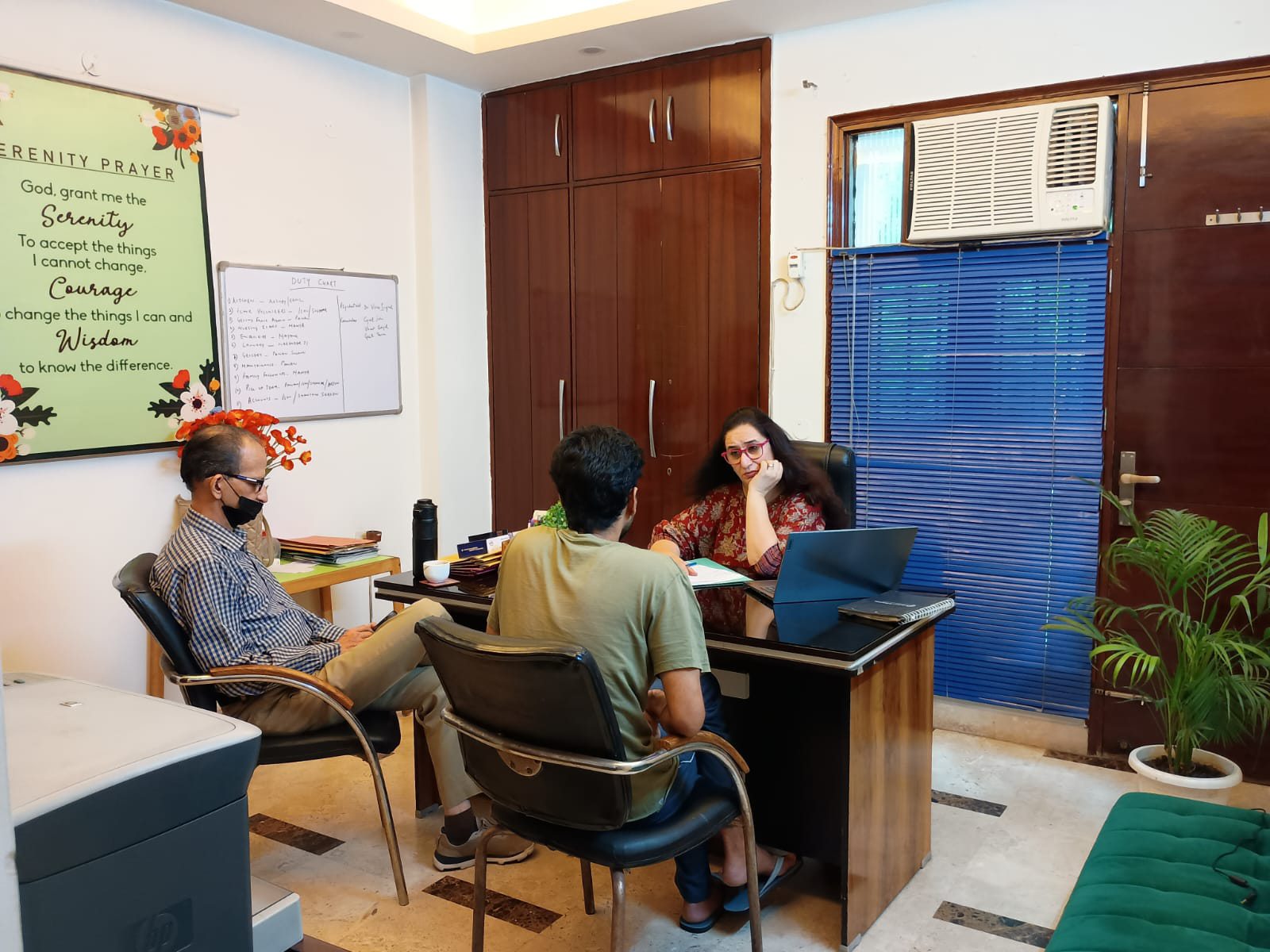
Relapse Warning Signs
01
Emotional Changes
Increasing stress or anxiety
Persistent irritability
Feeling isolated or overwhelmed
Reduced motivation for recovery
Difficulty managing emotions
02
Changes in Thinking -
Minimising previous substance-related problems
Thinking frequently about past use
Believing that occasional use will be harmless
Ignoring previously identified triggers
Losing sight of recovery goals
03
Behavioural Changes
Withdrawing from supportive people
Missing planned counselling sessions
Returning to high-risk environments
Disrupting healthy routines
Hiding concerns or substance use
Recognising these changes can create an opportunity to seek help before difficulties escalate. These signs do not guarantee that a relapse will occur, and they can also reflect other forms of stress or emotional distress.
If concerns arise, the individual can contact their treating professional, review their recovery plan and identify the support needed at that time.
Who Is the Aftercare Programme For?
Aftercare may be appropriate for individuals who have completed an initial phase of addiction treatment and need support as they transition back into everyday life.
It may also be useful for people who continue to experience cravings, stress, relationship challenges or uncertainty about maintaining their recovery.
The right level of continued support depends on each person’s circumstances, treatment history, current needs and recommendations from their care team.
The Transition Back to Everyday Life
Completing an addiction treatment programme is an important milestone, but returning to everyday routines can bring new responsibilities and challenges. Individuals may need to adjust to family expectations, work, social situations and changes in their daily environment.
Aftercare planning can help make this transition more structured by identifying potential difficulties, maintaining helpful routines and establishing clear ways to access support.
What This Stage Focuses On
Re-establishing healthy daily routines and responsibilities.
Preparing for situations that may challenge recovery.
Identifying appropriate professional and personal support.
Setting realistic goals for the next stage of recovery.
Reviewing ongoing treatment or follow-up needs.
The Goal
The aim is to help individuals approach life after treatment with a practical recovery plan, realistic expectations and a clear understanding of where to seek help when challenges arise.
Recognising Triggers and Preparing for Challenges
Triggers are situations, emotions, people or environmental cues that may increase cravings or the urge to return to substance use. These triggers differ from person to person and can change over time.
Understanding personal triggers can help individuals prepare healthier responses instead of reacting automatically during difficult moments.
What This Stage Focuses On
Recognising emotional, social and environmental triggers.
Understanding how stress, loneliness or conflict may affect recovery.
Identifying situations associated with previous substance use.
Developing practical ways to manage cravings and difficult emotions.
Knowing when to contact a counsellor, treating professional or trusted support person.
The Goal
The goal is to help individuals develop greater awareness of their personal risk situations and create a realistic plan for responding to them. Experiencing a craving does not automatically mean relapse will occur; it can be an opportunity to use coping strategies and seek support.
Support for Emotional Well-Being During Recovery
Recovery can involve emotional changes as individuals adjust to life beyond structured treatment. Stress, anxiety, frustration, relationship difficulties or uncertainty about the future may affect their sense of stability.
Continued emotional support can provide an opportunity to discuss these concerns, recognise unhelpful patterns and identify practical ways to manage difficult situations.
What This Stage Focuses On
Recognising emotions that may affect recovery.
Developing healthier responses to stress and frustration.
Building confidence in managing everyday challenges.
Addressing relationship concerns and communication difficulties.
Identifying when additional counselling, therapy or clinical assessment may be appropriate.
The Goal
The aim is to help individuals recognise their emotional needs and understand which support options may be appropriate. The type and frequency of support should reflect individual circumstances and the recommendations of qualified professionals.
Building a Supportive Environment for Recovery
Addiction can affect the entire family. Loved ones may experience worry, frustration, uncertainty or difficulty knowing how to provide support after treatment.
Family involvement, where appropriate and agreed upon, can help improve understanding, establish healthier boundaries and create a more supportive environment for continued recovery.
What This Stage Focuses On
Helping families understand the ongoing recovery process.
Encouraging respectful communication and realistic expectations.
Establishing healthy boundaries and responsibilities.
Recognising when professional guidance may be helpful.
Identifying appropriate support options for both the individual and their family.
The Goal
The aim is to encourage constructive support without placing responsibility for another person’s recovery entirely on family members. Family participation should respect the individual’s privacy, preferences and treatment needs.
The Continued Aftercare Plan
01
Recovery Planning
Identify personal goals, support needs and situations that may challenge recovery.
02
Recognising Triggers
03
Building Healthy Routines
04
Continued Support
05
Review and Adapt

Relapse Prevention Methods
Our outpatient programme is designed to provide structured professional support while allowing you to maintain your daily responsibilities. Every treatment plan is tailored to your unique needs, goals, and recovery progress.
Step 1 – Identifying Personal Triggers
Step 2 – Developing Coping Strategies
Step 3 – Maintaining Healthy Routines
Step 4 – Counselling and Therapy
Use appropriate professional support to address recovery challenges, emotional concerns and unhelpful patterns.
Step 5 – Building a Support Network
Step 6 – Family Involvement
Step 7 – Planning for High-Risk Situations
Step 8 – Follow-Up and Review
Why Aftercare Works
Structure and Consistency
A clear plan can help individuals maintain useful routines and stay connected to appropriate support.
Early Recognition of Challenges
Recognising warning signs can help individuals seek guidance before problems become more difficult to manage.
Practical Recovery Skills
Planning for triggers and stressful situations can support more considered responses during challenging moments.
Connected Support
Appropriate professional and family support can help individuals navigate changes and identify the next steps when difficulties arise.
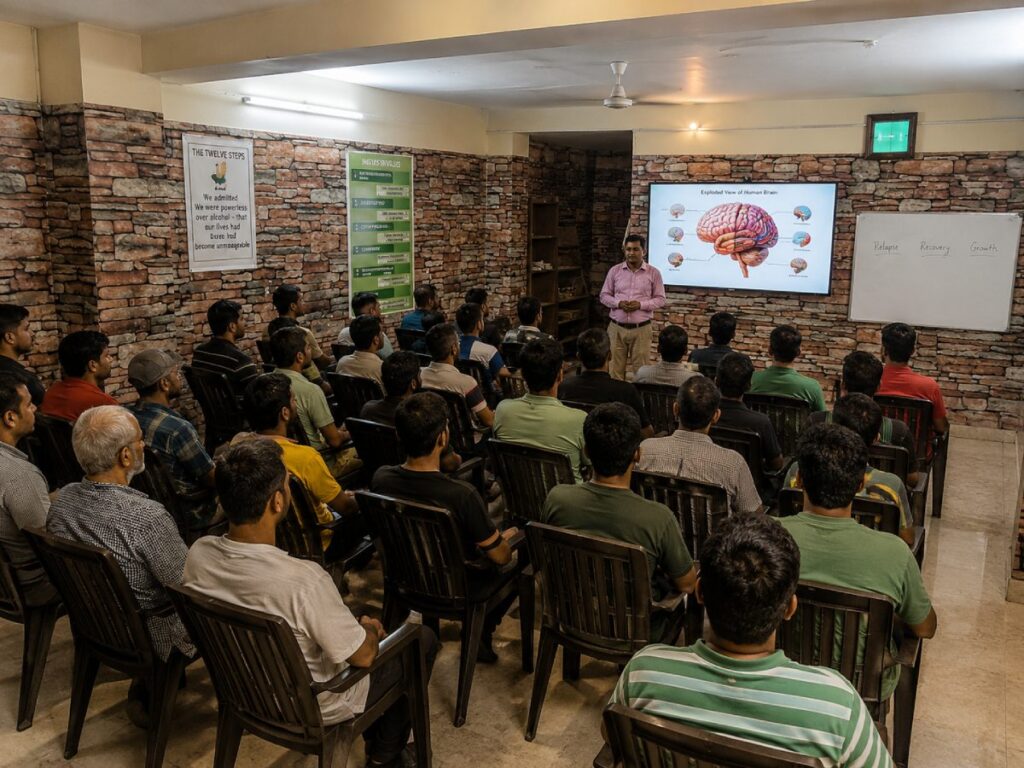
What Continued Aftercare Can Achieve
Potential Areas of Progress
- Maintaining engagement with appropriate recovery support.
- Recognising personal warning signs and responding earlier.
- Developing healthier ways to manage stress and cravings.
- Strengthening supportive relationships and boundaries.
- Improving confidence in navigating everyday challenges.
- Identifying additional treatment needs when circumstances change.