Gambling often begins as entertainment. Someone may place a small bet during a cricket match, play online games for money, or gamble with friends occasionally. At first, it may seem harmless. But when gambling becomes a regular habit that is difficult to control, it can start affecting almost every part of life.
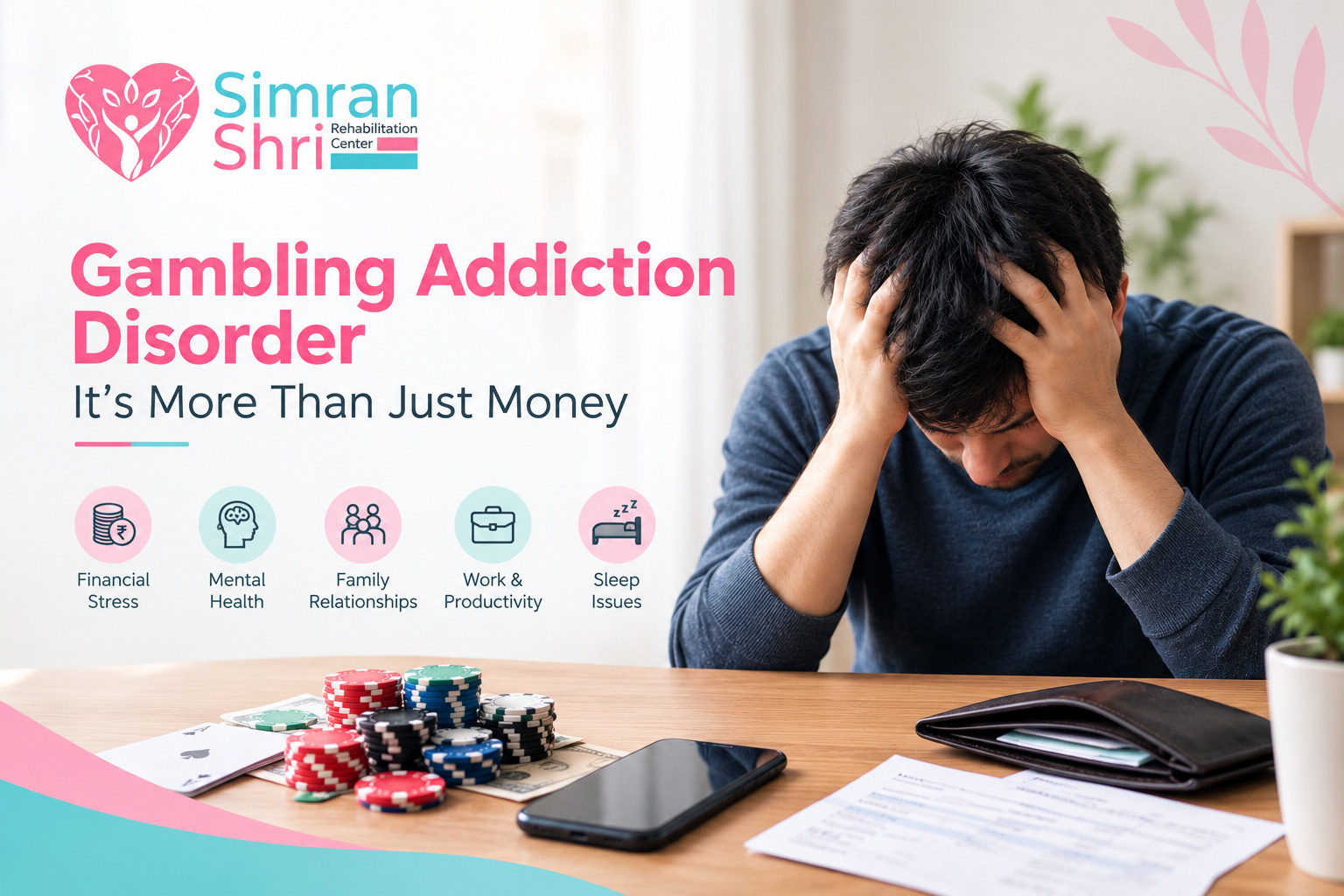
Gambling Addiction Disorder is not only about losing money. It can affect mental health, family relationships, work, sleep, and a person’s ability to make sensible decisions. Some people continue gambling even after losing their savings, damaging relationships, or facing serious financial problems.
The situation can become more difficult when a person hides their gambling, borrows money, or believes another bet will recover previous losses. Family members may notice the changes but struggle to understand what is happening.
Recognising the problem early is important. With suitable professional support, people can learn to manage gambling urges, address emotional difficulties, and rebuild healthier routines.
What Makes Gambling Addiction Difficult to Control?
Gambling problems can develop gradually. A person may initially gamble for excitement or entertainment. Over time, the anticipation of winning can encourage them to continue, even when the losses outweigh the rewards.
One common pattern is chasing losses. After losing money, a person may believe that another bet will help them recover it. However, previous losses do not make a future win more likely.
Gambling may also become a way to escape stress, loneliness, or other difficult emotions. The temporary excitement or distraction can reinforce the behaviour, making it harder to stop.
Gambling Addiction Disorder can involve repeated unsuccessful attempts to control gambling, increasing attention given to betting, and continued gambling despite harmful consequences. A qualified mental health professional can assess these behaviours and help determine the appropriate treatment.
It is important to understand that gambling problems are not simply a sign of weak character. They can involve learned behaviours, emotional difficulties, and changes in how a person responds to rewards and risks.
Five Warning Signs Families Should Not Ignore
1. Gambling Becomes a Regular Priority
The person may spend hours checking betting results, planning wagers, or searching for opportunities to gamble. Work, studies, family time, and personal responsibilities may gradually receive less attention.
2. The Person Hides Financial Activities
Secret transactions, unexplained withdrawals, borrowed money, and dishonesty about spending can indicate that gambling is causing harm.
Not every financial difficulty means someone has a gambling disorder, but repeated secrecy and unexplained losses deserve an honest conversation.
3. They Keep Trying to Recover Lost Money
A person may continue betting after repeated losses because they believe the next win will solve their financial problems. This can lead to greater debt and more pressure.
Setting limits and seeking outside support can help interrupt this pattern.
4. Relationships Begin to Suffer
Family members may feel hurt by broken promises, hidden debts, and repeated arguments. Trust can become difficult to rebuild when gambling continues despite its impact on loved ones.
Family counselling may help relatives communicate more effectively and establish practical boundaries.
5. Stopping Gambling Feels Difficult
Someone may promise to quit but return to gambling after experiencing stress, boredom, or a strong urge to bet. They may feel restless or upset when attempting to stop.
Repeated difficulty controlling gambling is a good reason to seek professional assessment rather than relying only on willpower.
The Hidden Effects of Gambling Beyond Financial Loss
Mental and Emotional Health
Gambling-related problems can cause anxiety, guilt, shame, sleep difficulties, and emotional distress. Worry about debts or the consequences of hidden behaviour may affect concentration and everyday life.
Some people may also experience Alcohol addiction disorder or Drug addiction disorder alongside gambling problems. They might use alcohol or other substances to manage stress, although this can create additional risks.
When several concerns occur together, a professional assessment can help identify the person’s needs and guide an appropriate treatment plan.
Family Life and Social Relationships
Gambling can affect partners, children, parents, and other relatives. Household savings may be used for betting, essential bills may remain unpaid, and family members may lose confidence in the person’s promises.
Families can offer emotional support while maintaining clear financial boundaries. They do not need to cover gambling losses or take responsibility for controlling another person’s behaviour.
Work and Daily Responsibilities
Frequent gambling may affect attendance, productivity, decision-making, and relationships with colleagues. A person may lose interest in hobbies and activities that once brought them enjoyment.
These changes can make the problem more serious over time. Early support can help people identify the behaviour and begin making practical changes.
Can Gambling Addiction Disorder Be Treated?
Yes. Treatment can help people understand their gambling behaviour and learn ways to reduce harm. The right approach depends on the severity of the problem, mental health, personal circumstances, and any other conditions that may be present.
Psychological Counselling
Cognitive behavioural therapy (CBT) is one established approach for treating gambling-related problems. It can help people identify risky thinking patterns, understand their triggers, and develop healthier ways to respond to gambling urges.
Counselling may also focus on managing stress, improving decision-making, and building routines that do not revolve around betting.
Practical Steps to Reduce Gambling Risks
Alongside professional support, a person may benefit from:
- Blocking gambling websites and applications.
- Using self-exclusion options where available.
- Identifying situations and emotions that trigger gambling.
- Seeking help to organise debts and protect essential household expenses.
- Reconnecting with supportive friends, family, and healthy activities.
- Developing a plan for handling urges and avoiding further gambling.
These steps can support recovery, but severe or persistent problems may require structured professional care.
Addressing Other Compulsive Behaviours
Some people also worry about Pornography addiction when they feel unable to control pornography use and it begins affecting their relationships, time, or daily responsibilities. A professional can assess the specific behaviour and its impact without relying on labels alone.
When gambling, substance use, or other difficult-to-control behaviours occur together, care should consider the whole person rather than treating each concern in isolation.
How to Find Suitable Professional Support in Noida
Finding help begins with identifying the type of care required. A mental health professional can assess gambling-related concerns and recommend appropriate counselling, specialist treatment, or referral.
People searching online for Nasha Mukti Kendra Near me should check whether a facility actually offers support for gambling-related problems. A centre that provides alcohol or drug addiction services may not necessarily provide specialised gambling treatment.
SimranShri Rehabilitation Centre is based at A-46, Block A, Sector 92, Noida, Uttar Pradesh 201304. Founded by Ms. Geeta Tewari, the centre reports eight years of experience, more than 30 years of combined staff experience, and support for over 2,000 families across North India.
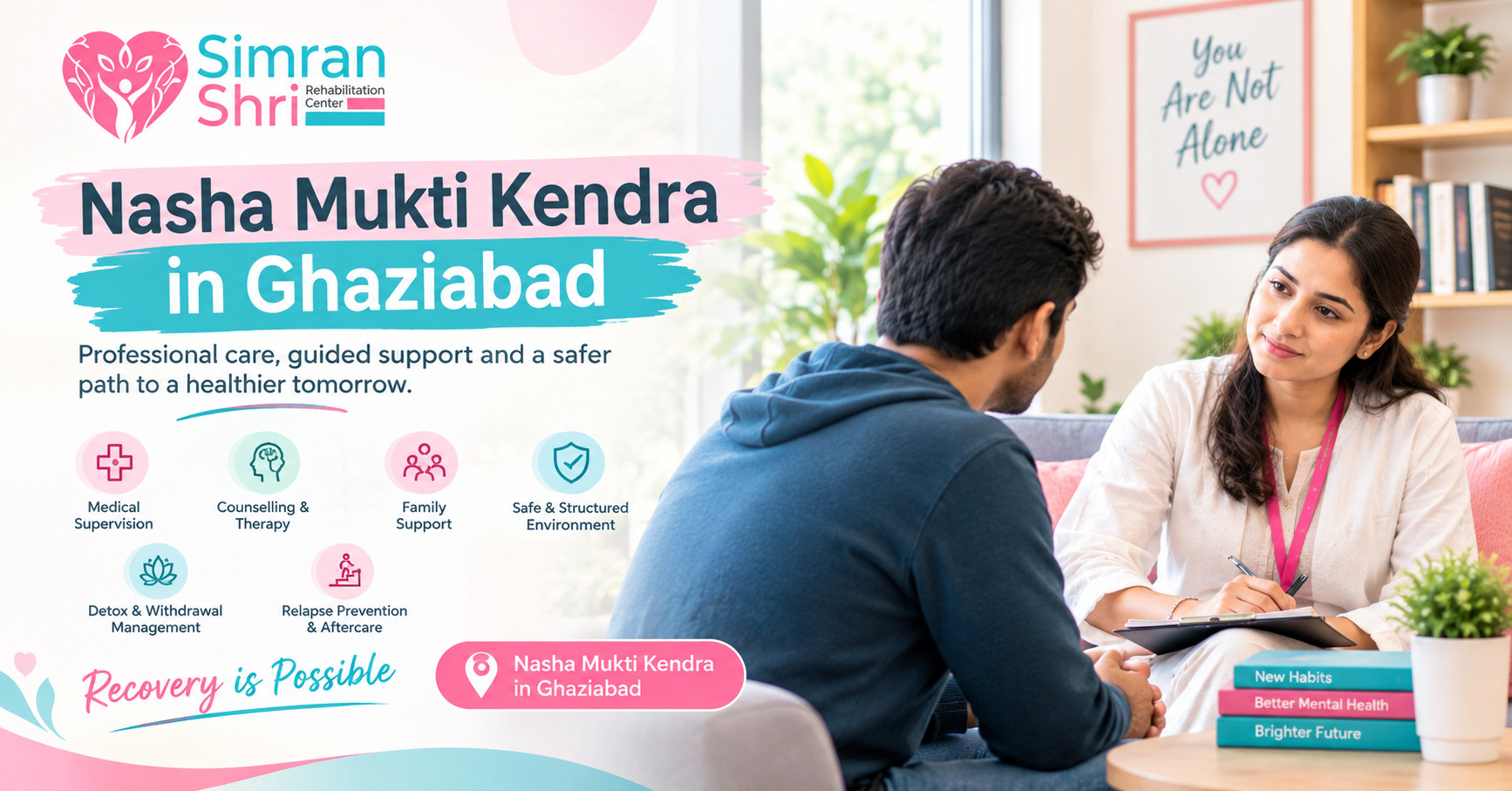
The centre lists services such as alcohol addiction treatment, drug addiction treatment, de-addiction counselling, family therapy, detox and withdrawal management, and relapse prevention and aftercare.
Its listed professionals include:
- Dr. Vikas Singhal — Psychiatrist
- Muskaan Trikah — RCI Registered Clinical Psychologist
- Shreya Sarkar — Mental Health Professional and Holistic Wellness Practitioner
- Mr. Vineet Sehgal — Senior Counselling Psychologist
- Mr. Cyril John — Visiting Counsellor
Families should confirm each professional’s current role, availability, and qualifications directly with the centre.
Before choosing a facility, ask about treatment methods, privacy, fees, clinical supervision, and follow-up care. Check relevant registrations and approvals, and make sure the provider can meet the person’s specific needs.
A well-managed facility should also maintain appropriate sanitation, clean living spaces, responsible waste disposal, and applicable fire, building, and environmental safety standards.
SimranShri Rehabilitation Centre can be contacted to enquire about its listed services and whether an appropriate specialist referral is available for gambling-related concerns.
Phone: +91 9958024680
Email: help@simranshrirehab.com
Fees information: https://simranshrirehab.com/cost-of-rehab-india/
How Can Families Support Recovery?
Talking about gambling can be uncomfortable, especially when money has been lost or trust has been damaged. Choosing a calm moment and speaking without insults or threats can make the conversation more productive.
Explain the specific changes you have noticed and encourage the person to seek professional advice. Avoid covering repeated gambling losses without considering the effect on household finances.
Families can also seek counselling themselves to understand how to set boundaries and manage stress.
If gambling-related distress leads to thoughts of self-harm or suicide, seek urgent professional help or contact local emergency services.
Conclusion
Gambling can affect much more than a person’s finances. It may damage mental health, relationships, work, and everyday stability. Recognising the warning signs of Gambling Addiction Disorder is an important step towards understanding the problem and seeking suitable help.
Professional counselling, practical safeguards, family support, and treatment for related concerns can all contribute to recovery. The most suitable approach depends on an individual assessment and the services available.
SimranShri Rehabilitation Centre in Noida provides information about its addiction-related services. Individuals and families can contact the centre to discuss available support and ask whether a specialist referral may be appropriate for gambling-related difficulties.
Asking for help is not a failure. It is a practical step towards regaining control and building a healthier future.
Frequently Asked Questions
1. What are the common signs of Gambling Addiction Disorder?
Common signs include repeatedly gambling despite losses, chasing money, hiding betting activities, borrowing to gamble, and neglecting family or work responsibilities.
2. Can gambling addiction affect mental health?
Yes. Gambling problems can contribute to stress, anxiety, guilt, sleep difficulties, and depression. Professional assessment can help identify these concerns and guide suitable treatment.
3. Can gambling addiction be treated?
Yes. Treatments such as cognitive behavioural therapy can help people understand gambling triggers, change harmful behaviour patterns, and develop healthier coping strategies.
4. Can a Nasha Mukti Kendra Near me help with gambling problems?
Some facilities may offer relevant counselling, while others focus mainly on alcohol or drug addiction. Confirm that gambling-specific support is available or ask whether a specialist referral can be arranged.
5. Does SimranShri Rehabilitation Centre offer gambling addiction treatment?
The centre lists several addiction-related services. Contact its team directly to confirm whether gambling-specific assessment or treatment is available and whether a specialist referral is needed.