Drug addiction is a serious problem that can affect a person’s health, relationships, career and family life. In a busy city like Delhi, stress, peer pressure, emotional difficulties and easy access to addictive substances can increase the risk of substance use. What may begin as occasional drug use can gradually become a habit that becomes difficult to control.
Recognising the early signs of Drug Addiction in Delhi is important because timely support can help prevent further physical, emotional and social damage. Families often notice changes in behaviour but may not understand whether these changes are connected to drug use.
Understanding these warning signs can help families take the right steps before the situation becomes more serious. Professional support from a trusted Rehab Centre in Delhi can also help individuals begin a structured recovery journey.
8 Warning Signs of Drug Addiction Families Should Never Ignore
Drug addiction does not always become visible immediately. However, certain changes in behaviour, health and daily routine may indicate a growing problem.
1. Sudden Changes in Behaviour
One of the first warning signs is a noticeable change in personality or behaviour. A person who was previously friendly and responsible may become angry, secretive, impatient or isolated.
Frequent arguments, unusual mood changes and avoiding family conversations can also indicate a problem. These changes do not automatically mean addiction, but they should not be ignored when they continue over time.
2. Losing Interest in Daily Responsibilities
People struggling with addiction may gradually lose interest in work, education, hobbies and family responsibilities.
For example, a student may stop attending classes, while an employee may frequently miss work or fail to complete important tasks. These changes can affect personal and professional life.
3. Financial Problems and Unexplained Expenses
Another important warning sign is frequent financial difficulty.
Families may notice missing money, unexplained withdrawals, repeated borrowing or selling personal belongings. In some situations, the person may become defensive when asked about their expenses.
Such behaviour may indicate that obtaining drugs has become a priority.
4. Changes in Physical Appearance and Health
Drug use can affect physical health in different ways. Some common warning signs include:
- Sudden weight loss or weight gain.
- Poor personal hygiene.
- Red or tired-looking eyes.
- Changes in sleeping and eating habits.
- Frequent fatigue or weakness.
- Unexplained physical discomfort.
If these symptoms appear regularly, seeking professional medical advice is important.
5. Social Isolation and Changing Friend Circles
People experiencing drug addiction may distance themselves from family members and old friends.
They may avoid social gatherings, spend more time outside without explanation or become secretive about their activities. In some cases, they may also start spending time with people who encourage substance use.
Family members should approach these changes with patience rather than immediate judgement.
6. Sleep Problems and Mood Swings
Different substances can affect the brain and nervous system. As a result, individuals may experience irregular sleeping patterns, anxiety, irritability and sudden mood changes.
Some people may stay awake for long periods, while others may sleep excessively. Withdrawal from certain substances can also cause discomfort and emotional distress.
Medical guidance is important when these symptoms are connected to substance use.
7. Denial and Repeated Attempts to Hide Drug Use
A person struggling with addiction may deny the problem even when family members notice clear changes.
They may provide different explanations, hide their activities or become aggressive when someone discusses their substance use.
Denial can make it difficult for families to start a conversation. A calm and supportive approach is usually more helpful than blame or threats.
8. Inability to Stop Using Drugs
One of the most important signs of addiction is losing control over substance use.
A person may promise to stop but return to drug use after a short period. They may continue using substances even after experiencing health problems, financial losses or family conflicts.
At this stage, professional Drug Addiction in Delhi treatment and structured recovery support may be necessary.
Why Early Treatment for Drug Addiction Matters
Ignoring addiction can make recovery more challenging. Continued substance use may affect physical health, mental well-being, relationships and financial stability.
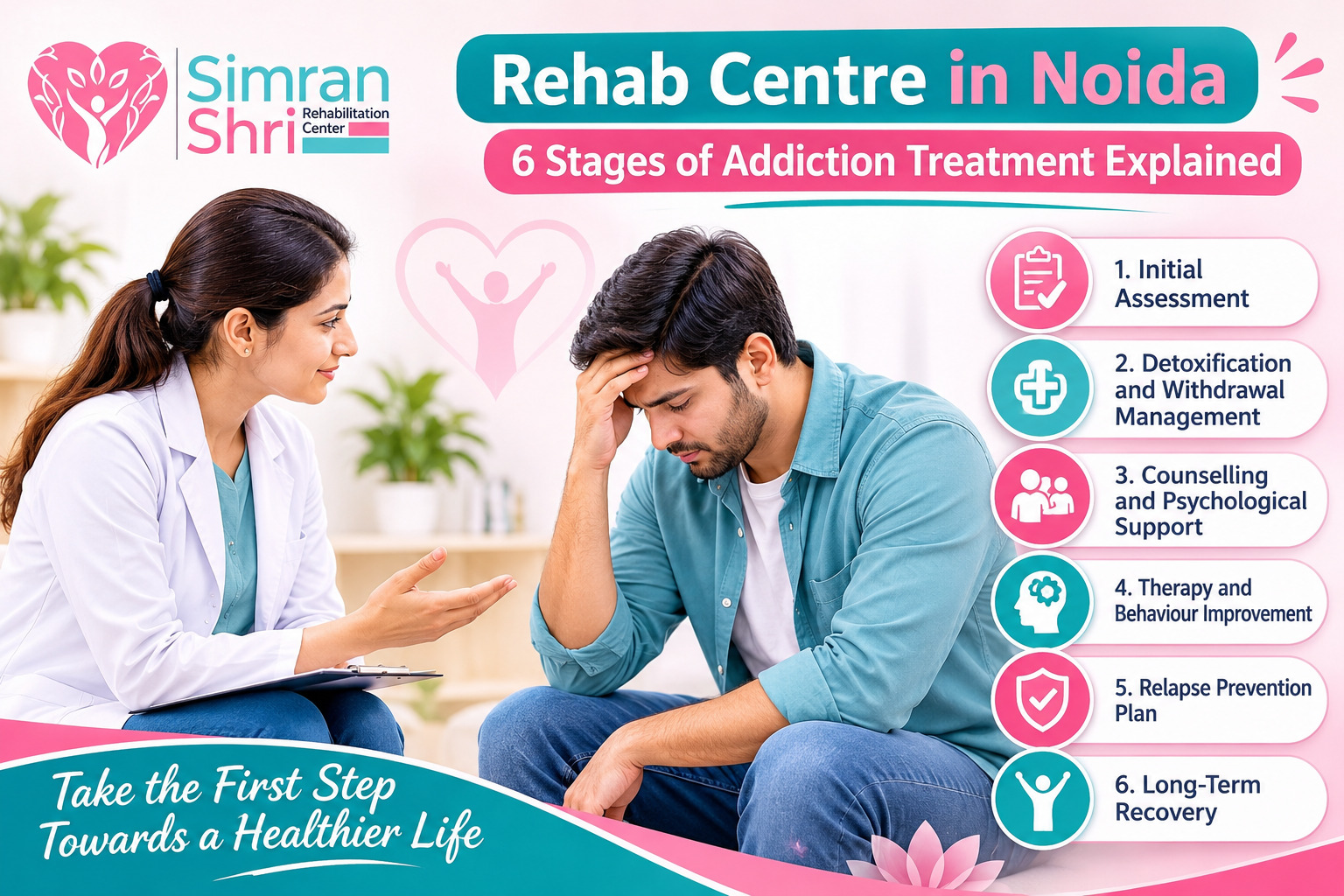
Early treatment can help individuals understand their addiction, manage withdrawal symptoms safely and develop healthier habits.
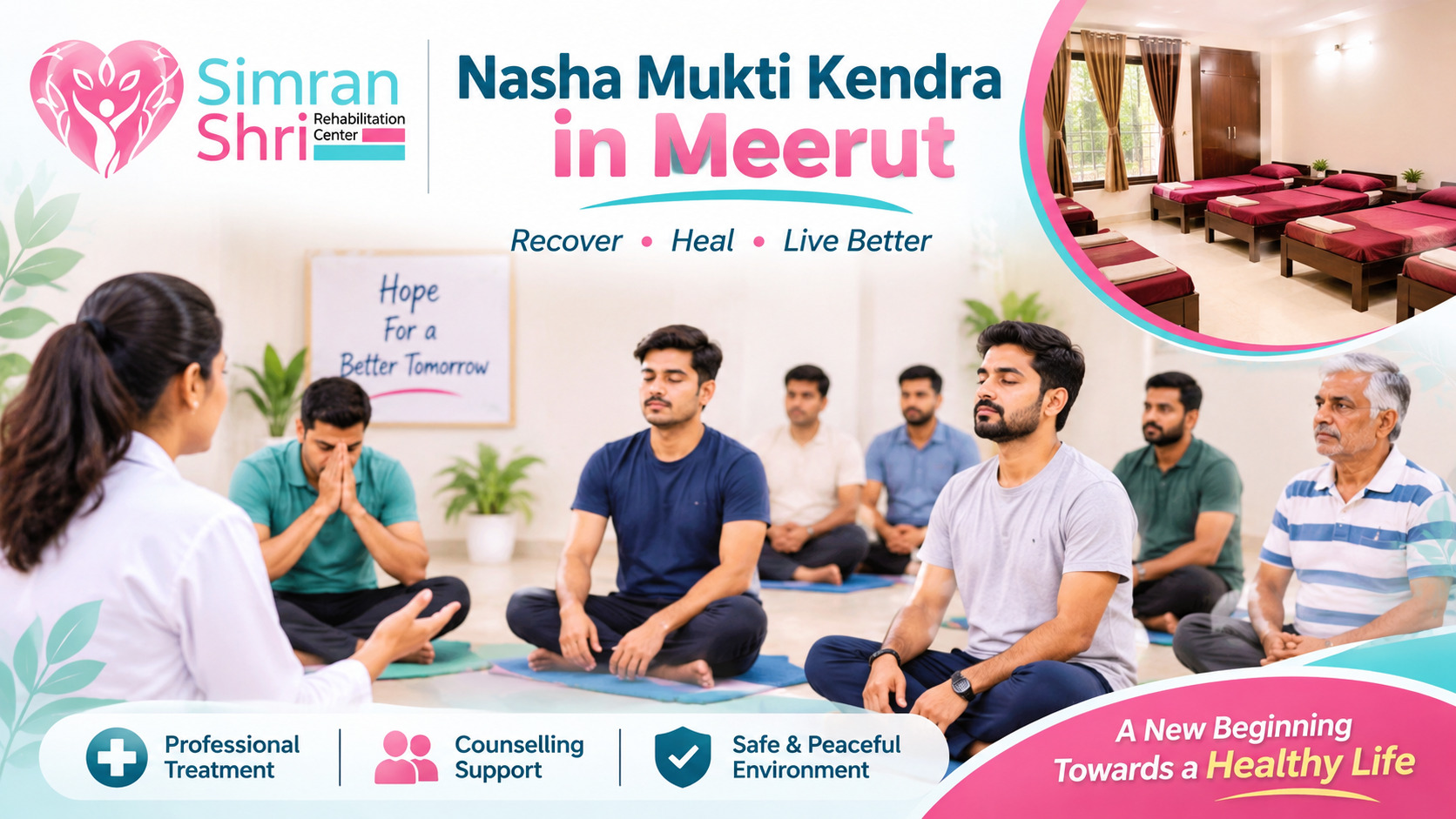
A professional Rehabilitation Centre in Delhi may offer different levels of support, depending on the individual’s condition and treatment requirements.
Common treatment approaches include:
- Medical assessment: Understanding the person’s physical and mental health.
- Detox and withdrawal management: Managing withdrawal symptoms under appropriate medical supervision.
- De-addiction counselling: Helping individuals understand the reasons behind substance use.
- Psychological support: Addressing emotional difficulties and unhealthy behaviour patterns.
- Family therapy: Helping family members understand addiction and improve communication.
- Relapse prevention: Developing strategies to manage triggers and maintain recovery.
- Aftercare support: Providing continued guidance after the main treatment programme.
Detoxification alone is not a complete addiction treatment. Long-term recovery also requires psychological support, lifestyle changes and continued follow-up.
Choosing a Trusted Nasha Mukti Kendra in Delhi
Choosing the right treatment facility is an important decision for families. A reliable Nasha Mukti Kendra in Delhi should focus on safety, professional guidance, individual needs and long-term recovery.
Before choosing a centre, families should consider:
- Approval and registration: Ask about applicable government approvals, registrations and regulatory requirements.
- Qualified professionals: Check the qualifications and professional experience of the treatment team.
- Medical support: Understand how medical assessments, emergencies and withdrawal symptoms are managed.
- Treatment planning: Look for individualised treatment plans rather than a single approach for everyone.
- Family involvement: Ask whether counselling and family support are available.
- Aftercare services: Understand what support is provided after completing the programme.
Families should also check the centre’s hygiene, sanitation, ventilation, fire safety and environmental management practices. Where applicable, ask how biomedical waste and other waste are handled according to relevant regulations.
How SimranShri Rehabilitation Centre Supports Recovery
SimranShri Rehabilitation Centre is a government-approved rehabilitation centre located in Sector 92, Noida, Uttar Pradesh. With 8 years of experience, the centre has supported more than 2,000 families across North India.
Founded by Ms. Geeta Tewari, the centre focuses on addiction treatment, counselling and structured recovery support. Its experienced staff bring over 30 years of combined professional experience.
The professional team includes:
- Dr. Vikas Singhal – Psychiatrist: Provides psychiatric expertise and support for mental health-related treatment needs.
- Muskaan Trikah – RCI Registered Clinical Psychologist: Offers professional psychological assessment and clinical support.
- Shreya Sarkar – Mental Health Professional and Holistic Wellness Practitioner: Supports mental well-being and holistic wellness.
- Mr. Vineet Sehgal – Senior Counselling Psychologist: Provides counselling support to individuals working towards recovery.
- Mr. Cyril John – Visiting Counsellor: Offers additional counselling guidance.
Treatment services include alcohol addiction treatment, drug addiction treatment, detox and withdrawal management, de-addiction counselling, family therapy and relapse prevention.
The admission process is confidential, helping families discuss their concerns and understand available treatment options.
Families can learn more about the admission process and qualifications or review information about rehabilitation costs and fees.
For families looking for professional support for Drug Addiction in Delhi, the centre provides an option to explore structured rehabilitation services in nearby Noida.
Centre Address: A-46, Block A, Sector 92, Noida, Uttar Pradesh 201304.
Admission Enquiries: +91 9958024680
Email: help@simranshrirehab.com
Conclusion
Drug addiction can affect every part of a person’s life, but recognising the warning signs can help families take timely action. Changes in behaviour, physical health, sleep, finances and relationships should be taken seriously when they appear alongside suspected substance use.
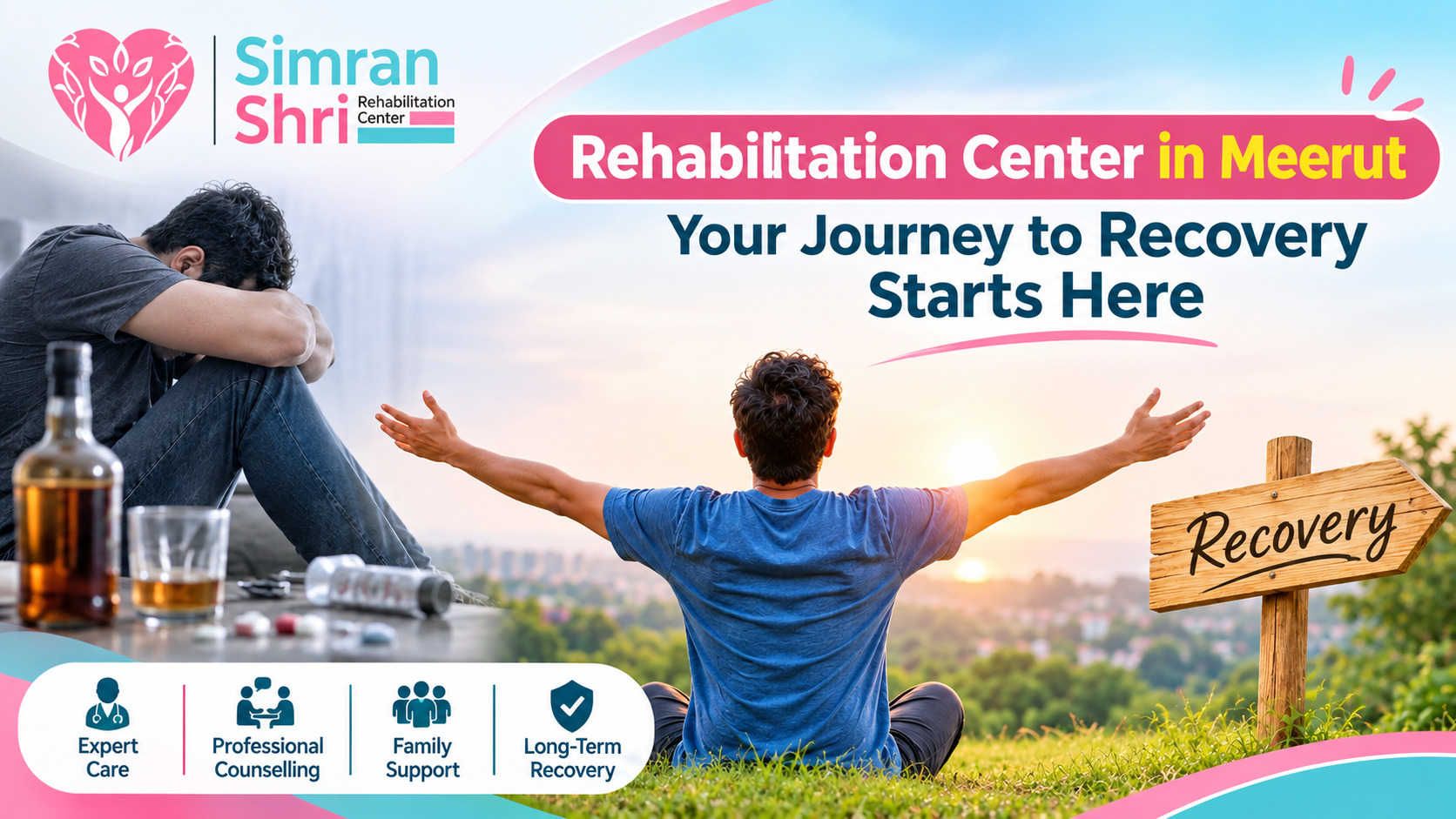
Seeking professional help is not something to feel ashamed of. With appropriate medical care, counselling, family involvement and continued recovery support, individuals can work towards a healthier and more stable life.
If your family is concerned about Drug Addiction in Delhi, consider speaking with an experienced treatment professional. Early guidance can be an important first step towards recovery.
Frequently Asked Questions (FAQs)
1. What are the early signs of drug addiction?
Early signs may include sudden mood changes, social isolation, poor personal hygiene, financial difficulties, sleep problems and losing interest in daily responsibilities.
2. When should someone seek professional treatment for drug addiction?
Professional help should be considered when a person cannot control substance use, repeatedly tries to stop without success or experiences physical, emotional or social problems because of drugs.
3. What treatments are available at a Nasha Mukti Kendra in Delhi?
Treatment options may include medical assessment, detoxification, withdrawal management, de-addiction counselling, psychological support, family therapy and relapse prevention.
4. How long does drug addiction treatment take?
Treatment duration depends on the substance used, the person’s health, addiction history and recovery needs. A qualified professional can recommend an appropriate treatment plan after assessment.
5. Is admission at SimranShri Rehabilitation Centre confidential?
Yes. SimranShri Rehabilitation Centre provides a confidential admission process. Families can contact the centre at +91 9958024680 to discuss admission enquiries and available treatment options.