Alcohol Addiction in Delhi – SimranShri Rehabilitation Centre
Looking for Alcohol Addiction Treatment in Delhi for yourself or a loved one? Alcohol addiction can affect physical health, emotional well-being, relationships, and everyday responsibilities. Seeking professional help can be an important step towards understanding the problem and exploring appropriate treatment options.
SimranShri Rehabilitation Centre, founded by Ms. Geeta Tewari, provides alcohol addiction treatment and rehabilitation support for individuals and families across Delhi NCR and North India. The centre reports eight years of experience, more than 30 years of combined staff experience, and support for over 2,000 families across North India.
Its services include alcohol addiction treatment, detox and withdrawal management, de-addiction counselling, family therapy, relapse prevention, and aftercare.
The centre’s residential facility is located at A-46, Block A, Sector 92, Noida, Uttar Pradesh 201304. Individuals and families searching for alcohol addiction support in Delhi can contact the admissions team to discuss treatment suitability, assessment requirements, admission arrangements, and costs.
Our Address
A-46, Sector 92
Noida, Uttar Pradesh
201304
Admission enquiries: +91 9958024680
Directions: Find SimranShri Rehabilitation Centre
Inside Our Rehabilitation Centre
Our Alcohol Addiction Treatment Centre in Noida focuses on long-term recovery through structured routines, therapeutic activities, and continuous medical supervision.
About SimranShri Rehabilitation Centre
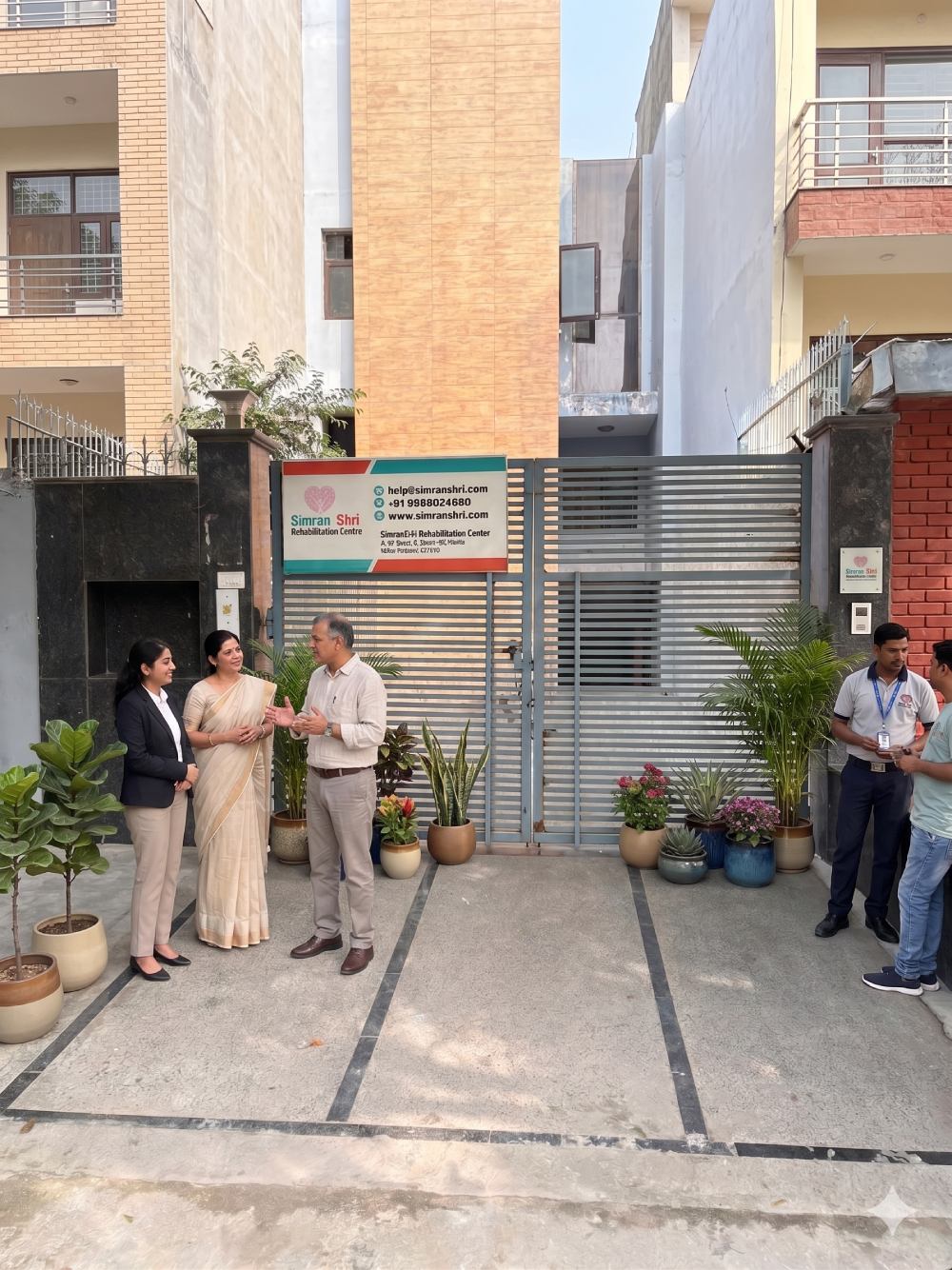
SimranShri Rehabilitation Centre was founded by Ms. Geeta Tewari to support individuals and families navigating addiction and rehabilitation.
The centre reports eight years of experience, with staff bringing over 30 years of combined experience. It also reports having supported more than 2,000 families across North India.
SimranShri identifies itself as government-approved. Families can request the applicable approval or registration details to understand the issuing authority, validity, and scope.
The centre offers a confidential admission process to help individuals and families understand the available services and practical steps involved in seeking rehabilitation.
Why Consider SimranShri for Alcohol Addiction Treatment?
Individualised Assessment
Treatment planning should consider the person's pattern of cocaine use, general health, mental health, other substances used, previous treatment experiences, and support system.
Counselling and Behavioural Support
Behavioural therapies can help people understand triggers, work on coping skills, and change patterns associated with substance use. The appropriate approach depends on individual needs and the services available.
Support for Emotional Well-Being
Cocaine use may occur alongside anxiety, depression, sleep problems, or other mental health concerns. These issues should be assessed rather than assumed to be caused by cocaine alone.
Family Guidance
Family members may need help understanding addiction, communicating constructively, establishing healthy boundaries, and supporting treatment without taking responsibility for the person's recovery.
Continuing Recovery Support
Planning for life after a residential programme can help individuals identify triggers, build routines, access support, and respond to warning signs of a return to use.
Understanding Alcohol Addiction
Alcohol addiction, also called alcohol use disorder, is a condition in which a person experiences difficulty controlling alcohol consumption despite negative consequences. It can affect health, work, relationships, family life, and overall quality of life.
Some individuals may gradually increase their alcohol consumption, while others may experience repeated unsuccessful attempts to reduce or stop drinking. Recognising these patterns can help individuals and families seek an appropriate professional assessment.
Alcohol addiction is a health concern, not a moral failing. With suitable professional support, individuals can work towards improved health, safer routines, and sustained recovery.
Signs That Someone May Need Alcohol Addiction Treatment
Recognising changes in drinking behaviour can help families identify when professional guidance may be appropriate.
Possible warning signs include:
- Difficulty controlling the amount or frequency of alcohol consumption.
- Repeated attempts to stop drinking that do not last.
- Strong cravings or persistent thoughts about alcohol.
- Continuing to drink despite problems at work or within the family.
- Neglecting responsibilities because of drinking.
- Developing tolerance or needing more alcohol to experience similar effects.
- Experiencing withdrawal symptoms when alcohol consumption is reduced or stopped.
These signs do not replace a professional diagnosis. A qualified healthcare professional can assess the person’s circumstances and help determine appropriate next steps.
Alcohol Addiction Treatment at SimranShri Rehabilitation Centre
Alcohol addiction treatment may involve several stages, depending on the person’s health, drinking history, withdrawal risk, and individual support needs.
SimranShri Rehabilitation Centre lists alcohol addiction treatment among its core services.

Initial Assessment
An assessment helps establish the person’s alcohol-use history, current health concerns, previous treatment experiences, withdrawal risks, and relevant family circumstances.
The assessment can help determine whether residential treatment, outpatient support, medically supervised withdrawal management, or referral to another healthcare provider is appropriate.

Detox and Withdrawal Management
When a person who is physically dependent on alcohol stops drinking, withdrawal symptoms can occur. These may include tremors, sweating, anxiety, nausea, sleep difficulties, and, in severe cases, seizures or delirium.
Alcohol withdrawal can be life-threatening. People who may be dependent on alcohol should seek medical advice before stopping suddenly.
SimranShri describes substance-specific withdrawal monitoring and supportive care as part of its residential rehabilitation services. Before admission, families should ask about medical supervision, withdrawal monitoring, nursing support, and procedures for transferring a person to hospital when necessary.

De-Addiction Counselling
Counselling can help individuals understand their drinking patterns, identify triggers, develop coping strategies, and work towards personal recovery goals.
Depending on the individual’s needs and the services available, counselling may address emotional difficulties, stress management, motivation, relationships, and plans for maintaining progress after treatment.
Families should ask about the counselling approaches offered, the qualifications of the professionals involved, and how progress is reviewed.

Structured Rehabilitation
Residential rehabilitation provides a structured environment in which individuals can focus on treatment away from some of the everyday situations associated with drinking.
SimranShri describes a programme combining clinical oversight, individual and group therapy, family involvement, and recovery-focused activities.
The appropriate duration and treatment plan should be determined by individual assessment rather than a fixed promise of recovery within a particular number of days.

Relapse Prevention and Aftercare
Recovery continues beyond detoxification and the initial treatment programme. Relapse prevention and aftercare can help individuals identify warning signs, manage challenging situations, and access continued support.
SimranShri lists relapse prevention and aftercare among its services. Families can ask about follow-up counselling, recovery-support resources, family sessions, and the duration of the continuing-support programme.
Rehabilitation Facilities and Living Arrangements
The physical environment, accommodation, privacy, and support arrangements are important considerations when choosing a Alcohol Addiction Treatment Centre in Noida.
SimranShri’s published facilities page describes its residential environment.
Residential Accommodation
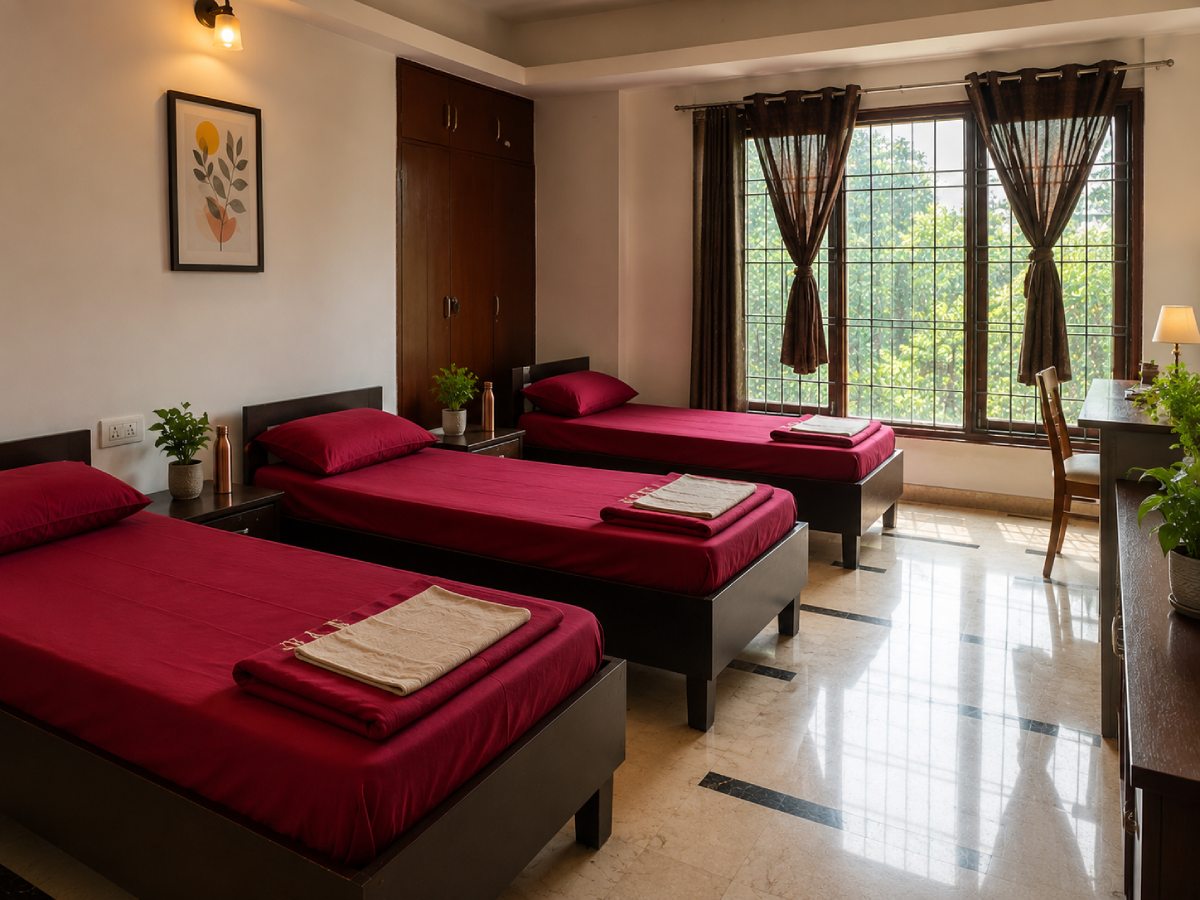
The facilities information describes private and shared room options. Families can ask about current availability, room arrangements, included amenities, accessibility, and differences in cost.
Counselling and Therapy Spaces
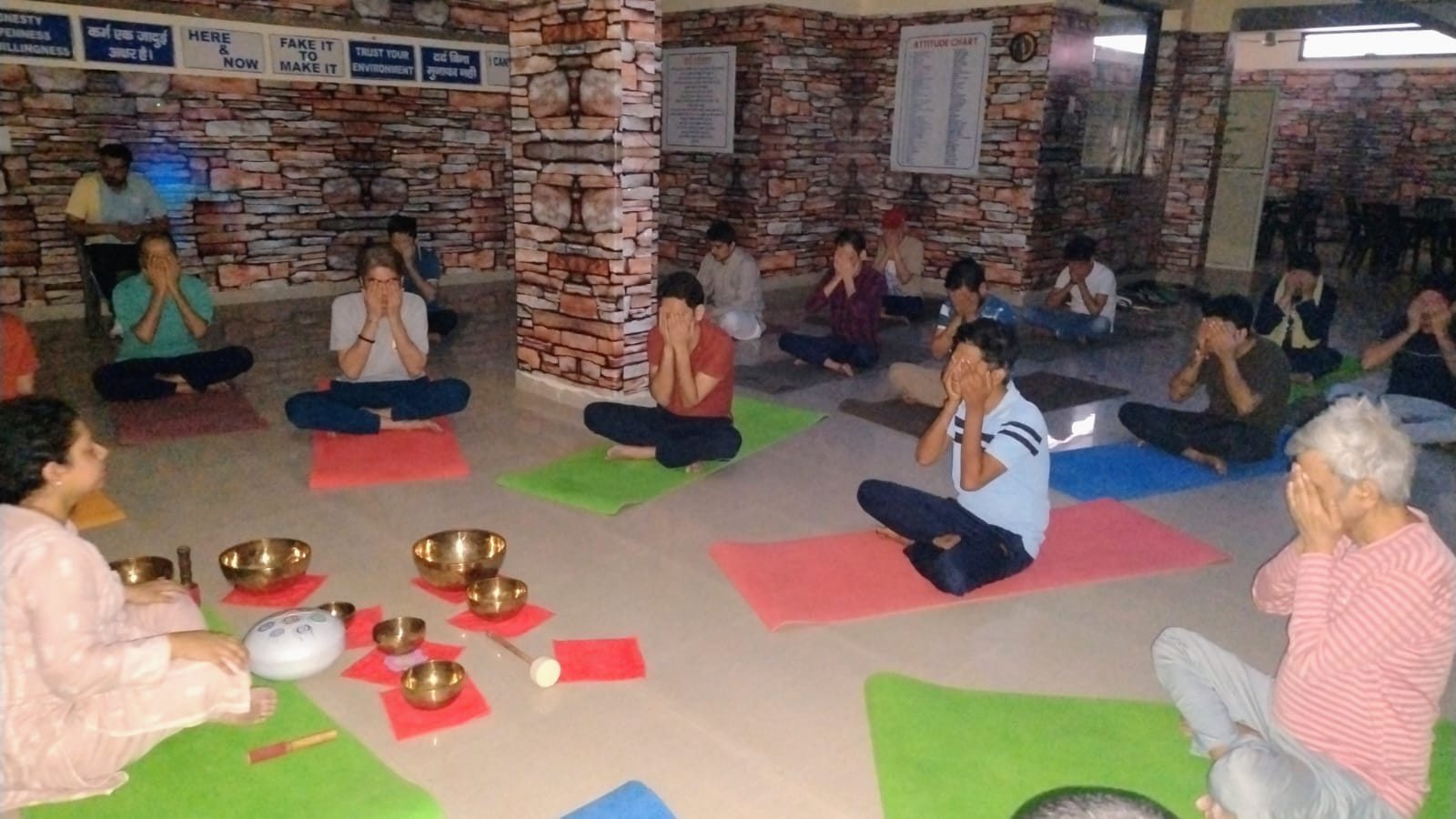
Ask about the facilities available for individual counselling, family sessions, group activities, and other programme components. The admissions team can explain which activities are available and how they fit into the treatment programme.
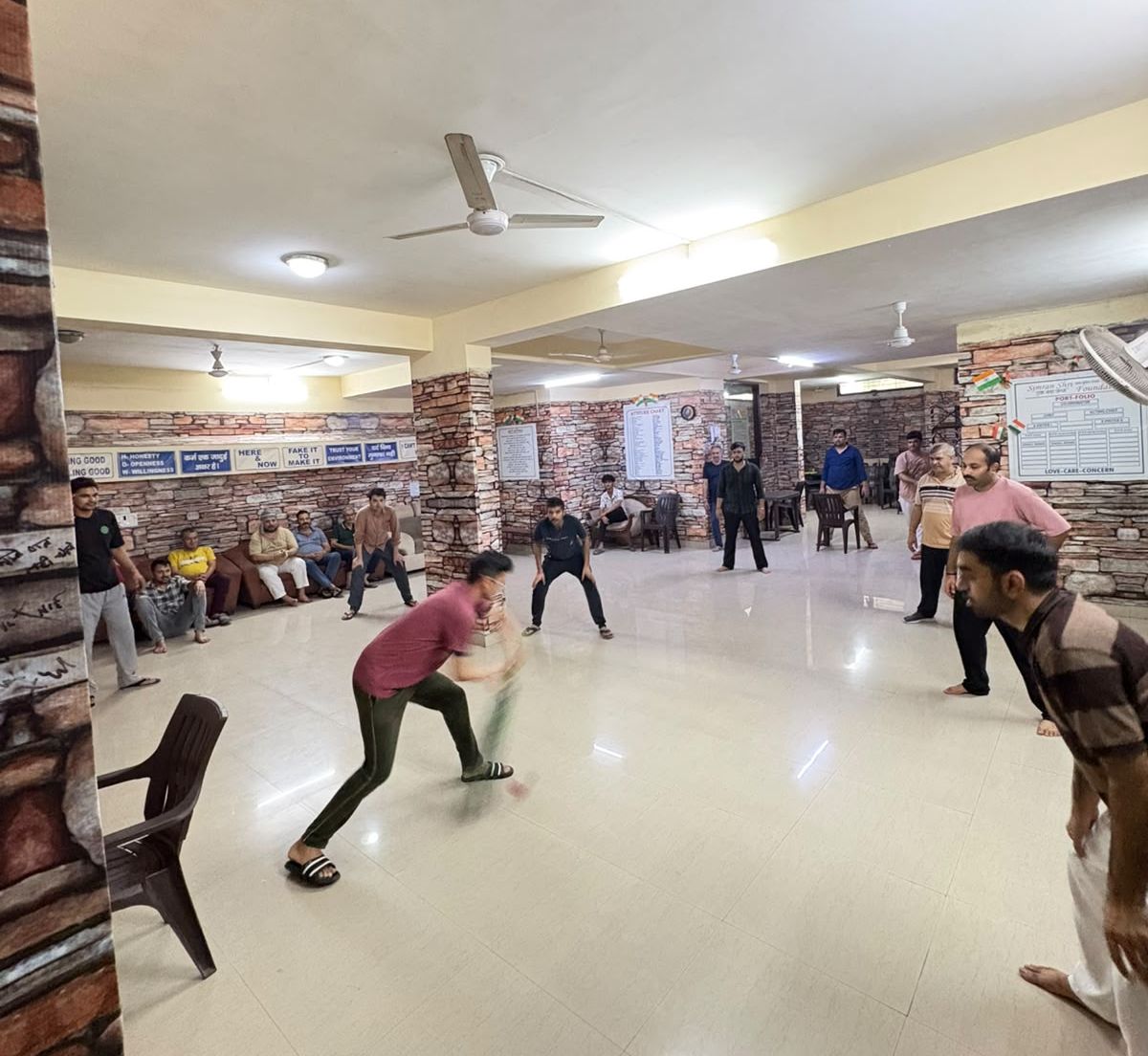
Daily Routine and Recovery Environment
A structured daily routine may include treatment activities, counselling, rest, and other programme components. Request a current sample schedule and confirm which activities are included in the programme being considered.
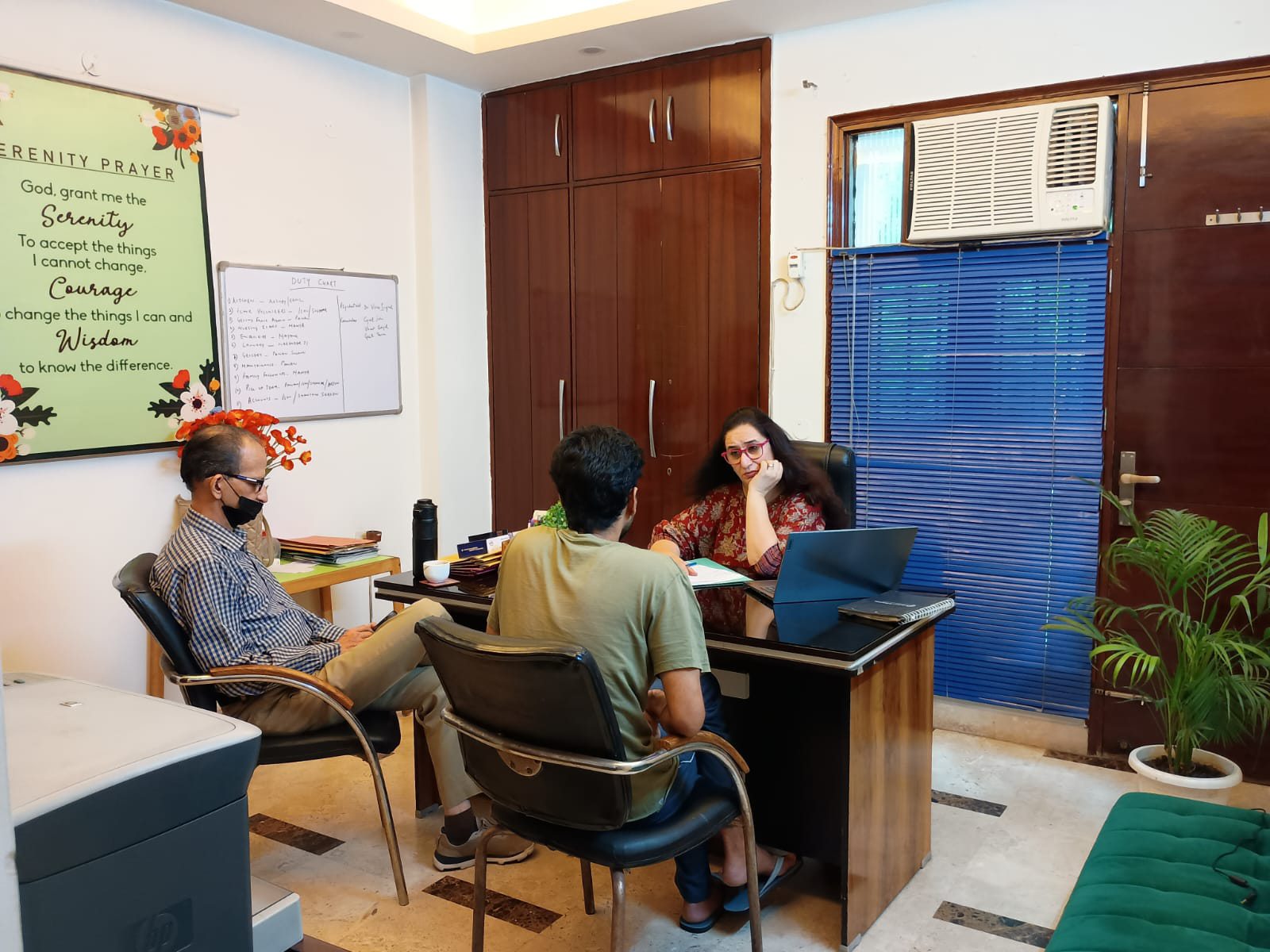
Staff Qualifications and Professional Supervision
The centre reports over 30 years of combined staff experience. Families should also request details of the professionals involved, their qualifications, relevant registrations, and the arrangements for medical supervision and referrals.
Addiction Specialists, Therapists & Recovery Experts

Ms. Geeta Tewari
Founder · Managing Trustee

Dr. Vikas Singhal
Psychiatrist

Muskaan Trikha
RCI registered Clinical Psychologist
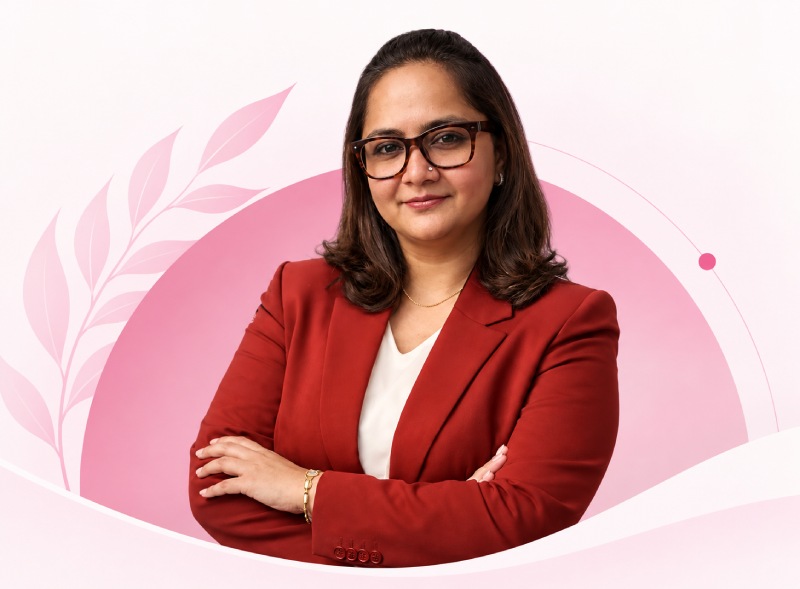
Shreya Sarkar
Mental health professional and holistic wellness practitioner
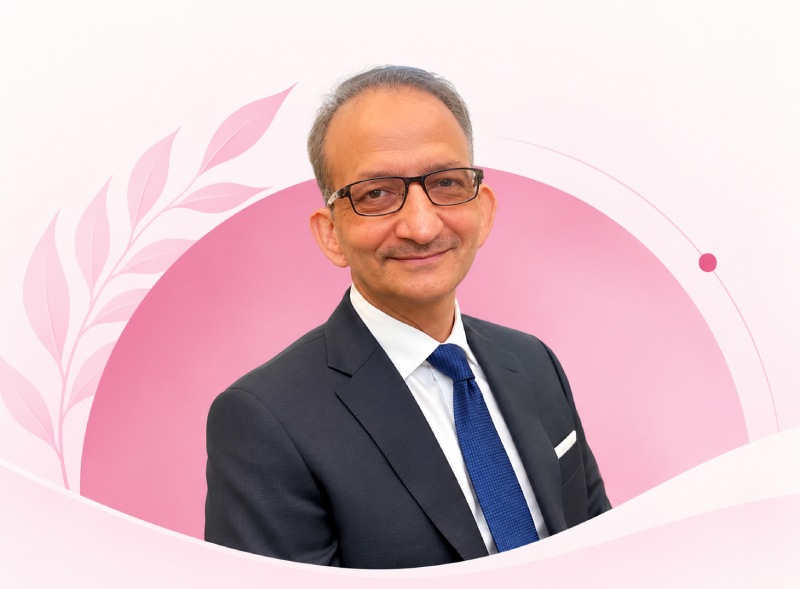
Mr. Vineet Sehgal
Senior Counselling Psychologist
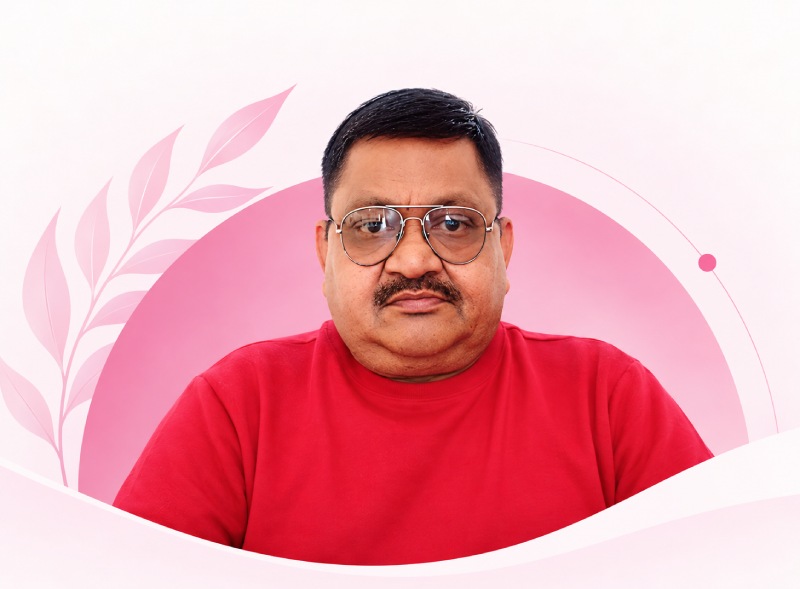
Mr. Cyril John
Visiting Counsellor
Alcohol Withdrawal: Why Medical Supervision Matters
One of the most important considerations when seeking alcohol addiction treatment is the risk associated with withdrawal.
People who have been drinking heavily or regularly may develop physical dependence. Suddenly stopping alcohol without appropriate medical guidance can lead to serious complications.
Seek urgent medical assistance if someone experiences seizures, severe confusion, hallucinations, or other signs of a serious medical emergency.
Before admission, ask the rehabilitation provider:
- Who assesses alcohol withdrawal risk?
- Which qualified medical professionals are involved?
- What monitoring and nursing support are available?
- How are severe withdrawal symptoms managed?
- What happens if emergency hospital treatment is needed?
The appropriate level of care depends on the person’s clinical condition. A residential rehabilitation programme should not be assumed to replace hospital treatment when acute medical care is necessary.
Family Support During Alcohol Addiction Recovery
Family members often experience worry, stress, and uncertainty when someone they care about is struggling with alcohol use.
They may be unsure how to start a conversation, encourage treatment, or support recovery without increasing conflict.
Family therapy can provide a setting to discuss communication, boundaries, expectations, and ways to support the individual’s treatment plan.
SimranShri Rehabilitation Centre lists family therapy among its services. Its published cost guide describes weekly family sessions during residential treatment, including remote participation for families who cannot attend in person.
Families should confirm the current arrangements, eligibility, and any applicable charges with the admissions team.
Alcohol Addiction Treatment Duration
There is no single treatment duration that suits everyone. The recommended programme depends on alcohol-use history, withdrawal risk, physical and mental health, previous treatment experiences, home circumstances, and individual progress.
SimranShri’s published admission information describes different programme durations based on assessment and treatment requirements. Its admission page identifies a 45-day residential programme as a common option for moderate alcohol dependency, but this should not be treated as a universal recommendation.
Some individuals may require a different duration, a higher level of medical care, outpatient treatment, or continued professional support after discharge.
Families should discuss the recommended duration with the relevant professionals and understand what is included in the proposed programme.
Alcohol Addiction Treatment Fees in Delhi NCR
The cost of alcohol addiction treatment depends on the treatment programme, duration, accommodation, clinical requirements, and additional services.
SimranShri Rehabilitation Centre provides a cost of rehabilitation guide explaining the factors that influence residential treatment fees.
The centre does not publish one fixed price for every individual. Families can request a current quotation following an initial discussion and assessment.
Before admission, clarify:
- What treatment and accommodation are included.
- The recommended programme duration.
- Whether additional medical or diagnostic charges may apply.
- Whether family therapy and aftercare are included.
- Any travel or pickup charges.
- Payment arrangements and applicable policies.
Transparent fee information can help families compare treatment options and plan for the financial commitments involved.
Admission Process at SimranShri Rehabilitation Centre
Step 1: Confidential Initial Enquiry
Step 2: Initial Assessment
The centre describes an assessment process that considers alcohol-use history, withdrawal risks, previous treatment, health concerns, and family circumstances.
This assessment helps determine the appropriate treatment pathway.
Step 3: Admission Planning
The team explains admission requirements, documents, fees, facilities, and practical arrangements.
SimranShri’s published admission information states that planned admissions typically take place within 24–48 hours after the initial call and assessment, depending on circumstances. Families should confirm current availability directly.
Step 4: Treatment and Monitoring
Following admission, the treatment plan may include withdrawal management where appropriate, counselling, structured rehabilitation, family involvement, and continuing support according to the individual’s needs.
Step 5: Discharge and Aftercare
The centre describes aftercare as part of its rehabilitation offering. Ask about the current follow-up arrangements, counselling availability, family involvement, and any conditions or additional charges.
Read the SimranShri admission process for further information.
A Structured Daily Routine Supporting Addiction Recovery
| Time | Alcohol Recovery & Wellness Focus |
|---|---|
| 6:30 AM | Gentle awakening and hydration recovery |
| 7:00 AM | Mindfulness, yoga, or light movement therapy |
| 8:00 AM | Nutritional breakfast supporting detox recovery |
| 9:30 AM | Individual addiction therapy and counselling |
| 11:30 AM | Group recovery sessions and psychoeducation |
| 1:00 PM | Structured lunch and restorative downtime |
| 3:00 PM | Wellness activities, fitness, or emotional processing |
| 5:00 PM | Relapse prevention and coping strategy work |
| 7:00 PM | Supportive communal dinner and peer connection |
| 8:30 PM | Evening reflection and sleep recovery preparation |
Evidence-Based Addiction Treatment & Recovery Therapies
Core Alcohol Recovery Therapies
| Therapeutic Framework | Purpose | Frequency |
|---|---|---|
| Cognitive Behavioral Therapy (CBT) | Identify triggers and restructure addictive thought patterns | 3x weekly |
| Relapse Prevention Therapy | Build emotional coping strategies and sobriety planning | Weekly |
| Trauma-Informed Counselling | Address emotional pain linked to addiction | Weekly |
| Group Recovery Therapy | Strengthen accountability and peer support | 3x weekly |
| Family Counselling | Rebuild communication and trust systems | Bi-weekly |
| Psychiatric Support & Medication Management | Stabilize mood, anxiety, and withdrawal symptoms | As prescribed |
Holistic Sobriety & Lifestyle Rehabilitation
Emotional Regulation & Stress Management
Helping individuals manage emotional triggers, stress, and psychological discomfort without relying on alcohol.Mindfulness & Craving Awareness Training
Improving emotional awareness, impulse control, and craving management during long-term sobriety recovery.Physical Wellness & Nervous System Recovery
Supporting sleep quality, liver recovery, energy restoration, nervous system healing, and healthy lifestyle rebuilding.Transparent Addiction Recovery Outcomes & Clinical Support
83%
Verified addiction recovery assessments
2,000+
Families Treated
4.9/5
Facility Trust Score
2:1
Clinical Oversight Ratio
Frequently Asked Questions About Alcohol Addiction in Delhi
Where can I find alcohol addiction treatment in Delhi NCR?
What are the signs of alcohol addiction?
Is alcohol detoxification necessary for everyone?
Not everyone requires the same treatment pathway. The need for detoxification and the appropriate level of supervision depend on alcohol-use history, physical dependence, withdrawal risk, and clinical assessment.
Is it safe to stop drinking alcohol suddenly?
For someone who may be physically dependent on alcohol, suddenly stopping can cause dangerous withdrawal complications. Seek medical advice before stopping, and obtain urgent medical care for severe symptoms such as seizures or confusion.
How long does alcohol addiction treatment take?
Does SimranShri provide family therapy?
Yes, family therapy is listed among the centre’s services. Its published cost guide describes weekly family sessions during residential treatment. Confirm current arrangements with the admissions team.
How much does alcohol addiction treatment cost?
Costs depend on the treatment plan, duration, accommodation, clinical requirements, and additional services. Review the rehabilitation cost guide and contact the centre for a current quotation.
Is the admission process confidential?
SimranShri offers a confidential admission process. Ask the centre how personal information is handled, who can access it, and what limits to confidentiality apply.
Does alcohol addiction treatment include aftercare?
SimranShri lists family therapy among its services. Contact the centre to confirm the availability, schedule, eligibility, and cost of family sessions.
How much does cocaine addiction treatment cost in Noida?
Fees depend on programme duration, accommodation, individual needs, and the services included. Review the rehabilitation cost guide and request a current written quotation.
Does SimranShri provide aftercare?
The centre lists relapse prevention and aftercare among its services. Ask the admissions team which follow-up arrangements are available and whether they are included in the programme fee.
Can families from Delhi NCR contact SimranShri?
Yes. The centre is located in Noida and reports serving families across Delhi NCR and North India. Confirm travel, pickup, and admission arrangements directly.
How can I contact SimranShri Rehabilitation Centre?
Call +91 9958024680 or email help@simranshrirehab.com. You can also visit the official contact page.
Contact SimranShri Rehabilitation Centre
If you or someone close to you is experiencing cocaine-related difficulties, seeking professional guidance can be a constructive first step. Learn about the available services, assessment process, staff qualifications, facilities, fees, privacy practices, and continuing support before making a decision.
Full address
SimranShri Rehabilitation Centre
A-46, Sector 92
Noida, Uttar Pradesh 201304
India
Hours
Admissions desk — 24 hours, 7 days
Office & visits — 9:00 AM to 8:00 PM
Getting here
Pickup is coordinated across Delhi NCR as part of admission. If driving: Sector 92 is accessible via the Noida-Greater Noida Expressway and FNG Expressway. Free parking available on-site.
Useful next pages for Delhi families.
Talk to admissions before the situation escalates.
The call is confidential. The team will explain clinical fit, admission timing, cost, travel, documents, and family involvement.