
Finding the right Rehab Centre in Noida is an important step for individuals and families seeking professional help for addiction. Whether the concern involves alcohol dependence, drug use, repeated relapse, or the need for structured de-addiction treatment, choosing an appropriate rehabilitation centre can significantly influence the recovery journey.
For residents of Noida, Greater Noida, Ghaziabad, Delhi, and nearby areas, rehabilitation should be approached as more than simply stopping substance use. Comprehensive addiction treatment can involve assessment, counselling, psychotherapy, behavioural support, family involvement, relapse prevention, and long-term recovery planning.
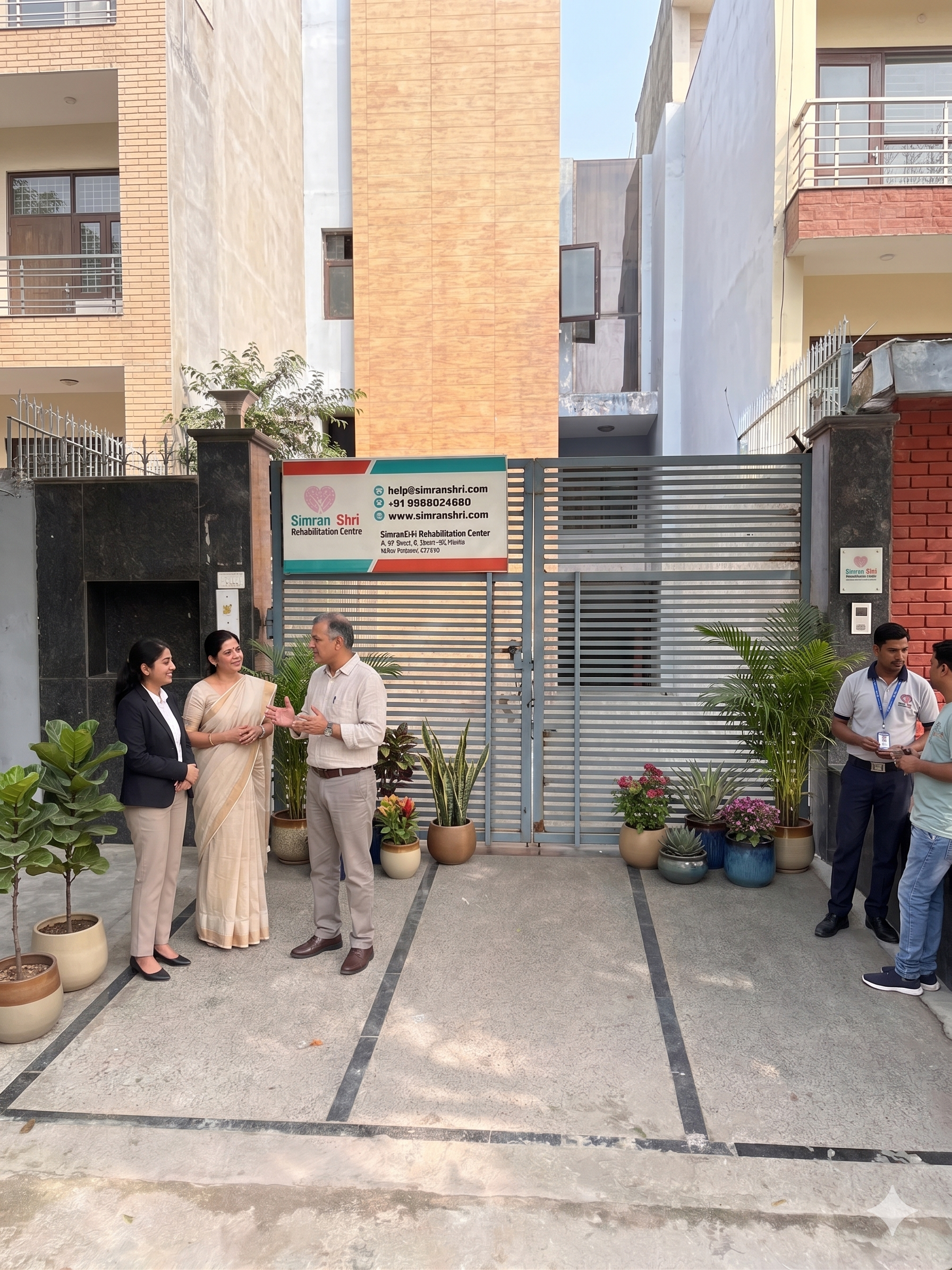
SimranShri Rehabilitation Centre provides structured addiction-treatment support for individuals and families seeking professional rehabilitation services. When evaluating any treatment provider, it is important to consider its treatment approach, professional expertise, confidentiality standards, and continuing-care options rather than relying solely on promotional claims.
What Makes a Trusted Rehab Centre in Noida?
A reliable Rehab Centre in Noida should provide an organised and individualised approach to addiction treatment. Every person's substance-use history, physical health, psychological needs, family circumstances, and recovery goals can be different.
Before admission, families should ask whether the centre conducts an initial assessment and develops a treatment plan based on the individual's circumstances.
A professional programme may include medical evaluation, addiction counselling, individual therapy, group sessions, family counselling, psychiatric support, and relapse-prevention planning where appropriate.
Qualified Professionals and Structured Treatment
Expertise is one of the most important considerations when choosing a rehabilitation provider. Families should understand who provides treatment and whether appropriately qualified professionals are involved.
Depending on the individual's needs, addiction care can involve doctors, psychiatrists, psychologists, counsellors, nurses, and trained rehabilitation professionals.
A structured treatment environment should also establish clear routines, treatment goals, progress reviews, and appropriate communication with families.
Understanding the Role of a Nasha Mukti Kendra
The term Nasha Mukti Kendra is commonly used in India for facilities providing treatment and rehabilitation for substance dependence. However, families should not select a centre based on terminology alone.
When comparing a Nasha Mukti Kendra, ask what services are actually provided. Does the facility offer professional counselling? Is psychological support available? How are withdrawal symptoms managed? Is there a relapse-prevention programme? What happens after discharge?
These questions help distinguish between a facility offering structured addiction treatment and one providing only basic residential support.
SimranShri Rehabilitation Centre focuses on helping individuals move toward recovery through structured rehabilitation and support. Prospective patients and families should discuss their specific needs with the centre before deciding whether its programme is suitable.
Why Counselling and Psychotherapy Matter
Addiction can affect behaviour, emotions, relationships, employment, finances, and overall wellbeing. Consequently, successful rehabilitation often requires more than physical abstinence.
Individual Counselling
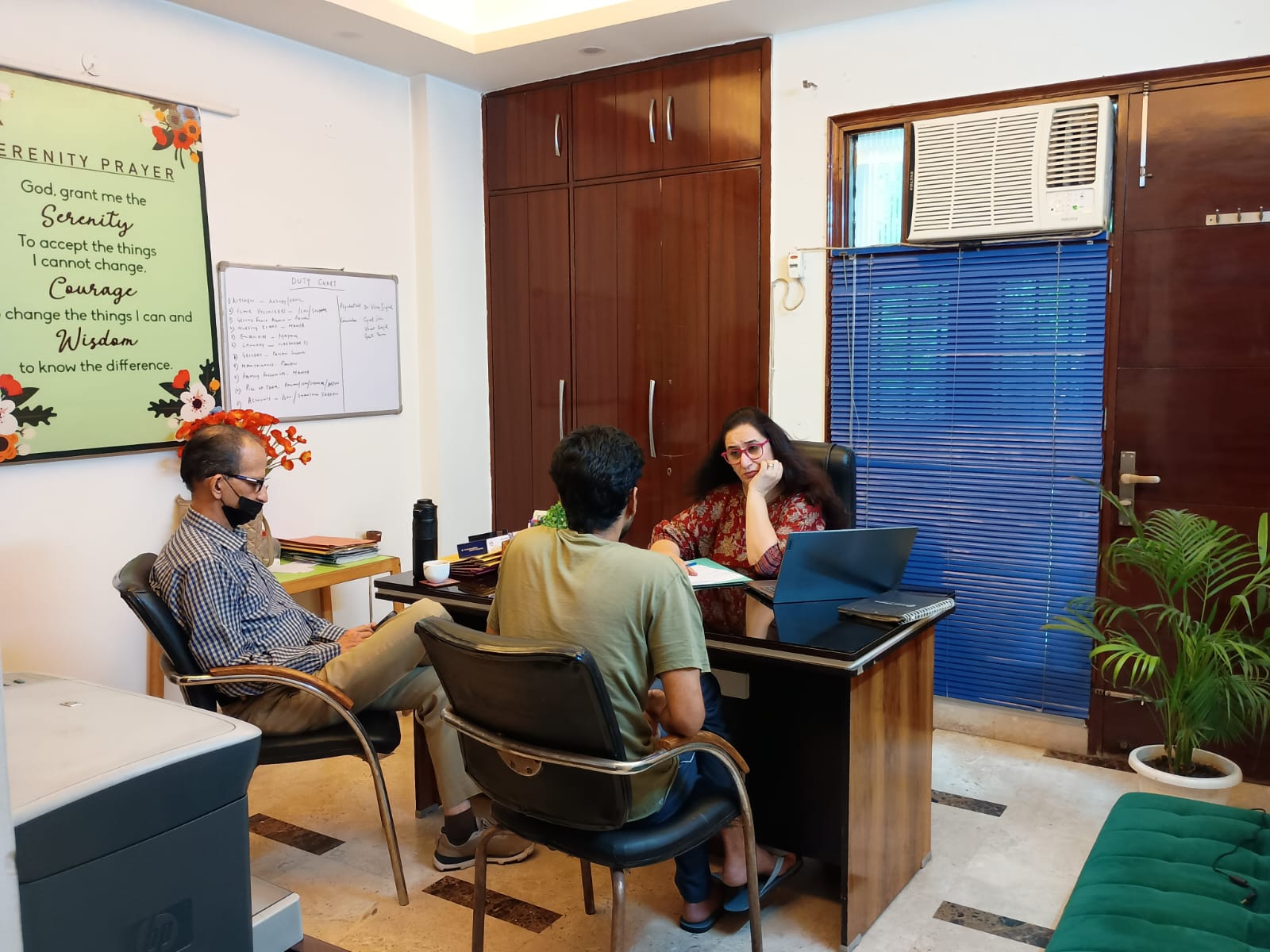
Individual counselling gives people an opportunity to discuss personal challenges, triggers, cravings, emotional difficulties, and behaviours associated with substance use in a confidential setting.
Group Therapy
Group-based support can help individuals understand that addiction is a treatable condition while developing communication and coping skills in a structured environment.
Family Counselling
Family members frequently need guidance as well. Spouses, parents, and siblings may struggle to understand addiction or may unintentionally reinforce unhealthy patterns.
Family counselling can help relatives develop healthier communication, boundaries, and supportive strategies.
For people searching for a Drug Rehab Centre Noida, the availability and quality of these psychological services should be an important part of the evaluation process.
Medical Support and Withdrawal Management
Some individuals may experience significant withdrawal symptoms when they stop consuming alcohol or drugs. The risks can vary depending on the substance, duration and level of use, previous withdrawal experiences, and the person's general health.
Anyone researching a Rehab Centre in Noida should therefore ask how the facility handles withdrawal and medical emergencies.
A responsible treatment provider should be transparent about the level of medical supervision it offers and when a patient may need referral to a hospital or another healthcare facility.
Medical care and addiction counselling serve different purposes: withdrawal management addresses immediate health concerns, while rehabilitation focuses on longer-term behavioural and psychological recovery.
Relapse Prevention and Long-Term Recovery
Recovery does not necessarily end when a residential programme finishes. Individuals may encounter triggers and stressful situations after returning home, making continuing support important.
A comprehensive rehabilitation programme should explain its approach to relapse prevention.
What Can Aftercare Include?
Depending on individual circumstances, continuing support may include:
- Follow-up counselling
- Individual or group therapy
- Family support
- Relapse-prevention planning
- Psychiatric follow-up when required
- Recovery monitoring
- Community or peer-support resources
- Referral to additional healthcare services
If someone experiences relapse, the appropriate response is professional reassessment rather than simply assigning blame. Treatment may need to be adjusted according to the person's current circumstances.
For individuals looking for long-term recovery support, aftercare should therefore be discussed before admission.
Confidentiality and Family Support
Privacy is particularly important in addiction treatment because concerns about stigma can prevent people from seeking help.
When choosing a Rehab Centre in Noida, families should ask how patient information is stored, who can receive updates, and how consent for family communication is handled.
A professional rehabilitation environment should encourage individuals to discuss sensitive concerns honestly while maintaining appropriate confidentiality.
SimranShri Rehabilitation Centre can be considered by individuals and families researching structured addiction treatment in Noida. Before admission, prospective patients should confirm the centre's current treatment services, professional support, admission process, and confidentiality policies.
How to Compare a Drug Rehab Centre Noida
Searching online for a Drug Rehab Centre Noida can produce numerous options. Instead of choosing based only on rankings, advertisements, photographs, or pricing, create a practical checklist.
Consider:
- Initial medical and psychological assessment
- Professional qualifications
- Individual addiction counselling
- Psychotherapy and behavioural support
- Family counselling
- Medical supervision when required
- Relapse-prevention planning
- Confidentiality procedures
- Treatment environment
- Aftercare and continuing support
Choosing the Right Rehabilitation Environment
Location can be important for families living in Noida, Greater Noida, Ghaziabad, or Delhi because convenient access can make family participation and follow-up easier.
However, proximity should be considered alongside treatment quality.
Someone looking for a rehab centre near Greater Noida should investigate whether the provider offers the level of counselling, psychological care, medical support, and continuing recovery services required.
The physical environment also matters. A structured, respectful, and safe setting can help individuals concentrate on recovery while reducing exposure to everyday triggers during intensive treatment.
Questions to Ask Before Admission
Before selecting a rehabilitation provider, families should ask:
- What assessment is conducted before treatment begins?
- Who provides counselling and clinical support?
- How are withdrawal symptoms managed?
- Is psychiatric or psychological support available?
- How are families involved in treatment?
- What is the centre’s approach to relapse?
- What aftercare is available after discharge?
- How is patient confidentiality maintained?
- What happens if the individual’s needs exceed the centre’s services?
Clear answers can help families make an informed decision and understand exactly what treatment involves.
Conclusion
Choosing a trusted Rehab Centre in Noida requires careful evaluation of professional expertise, treatment structure, counselling, psychological support, medical care, confidentiality, family involvement, relapse prevention, and aftercare.
A Nasha Mukti Kendra or rehabilitation centre should be assessed according to the quality and suitability of the services it provides—not simply its name, location, or advertising claims.
For individuals and families considering SimranShri Rehabilitation Centre, discussing the person's substance-use history and treatment requirements directly with the centre can help determine whether its programme is appropriate.
Whether someone is seeking help for alcohol or drug dependence, dealing with relapse, or supporting a loved one, professional addiction treatment can provide a structured pathway toward recovery. The goal should be to find care that addresses both immediate treatment needs and the individual's longer-term recovery.
- A trusted rehabilitation centre conducts a comprehensive initial assessment covering medical, psychological, and family factors.
- Qualified multidisciplinary teams including doctors, psychiatrists, and counsellors ensure evidence-based care.
- Psychological support such as individual, group, and family counselling is central to sustained recovery.
- Transparent withdrawal management and medical protocols safeguard patient wellbeing during early recovery.
- Relapse prevention and structured aftercare are critical for long-term recovery beyond residential treatment.