Cocaine Addiction Treatment in Delhi NCR – SimranShri Rehabilitation Centre
Looking for Cocaine Addiction Treatment in Delhi NCR for yourself or a loved one? SimranShri Rehabilitation Centre provides addiction treatment and rehabilitation support for individuals experiencing cocaine-related difficulties and other substance-use concerns.
Founded by Ms. Geeta Tewari, SimranShri Rehabilitation Centre reports eight years of centre experience, over 30 years of combined staff experience, and support for more than 2,000 families across North India. The centre identifies itself as government-approved and offers a confidential admission process.
Cocaine use can affect physical health, emotional well-being, relationships, sleep, and everyday functioning. Seeking professional support can help individuals understand their treatment options, address cravings, and develop strategies for managing situations that may contribute to continued substance use.
SimranShri Rehabilitation Centre is located at A-46, Block A, Sector 92, Noida, Uttar Pradesh 201304, and accepts enquiries from families across Delhi NCR and North India.
Our Address
A-46, Sector 92
Noida, Uttar Pradesh
201304
Admission enquiries: +91 9958024680
Directions: Find SimranShri Rehabilitation Centre
Inside Our Rehabilitation Centre
Our Cocaine Addiction Treatment in Noida focuses on long-term recovery through structured routines, therapeutic activities, and continuous medical supervision.
About SimranShri Rehabilitation Centre
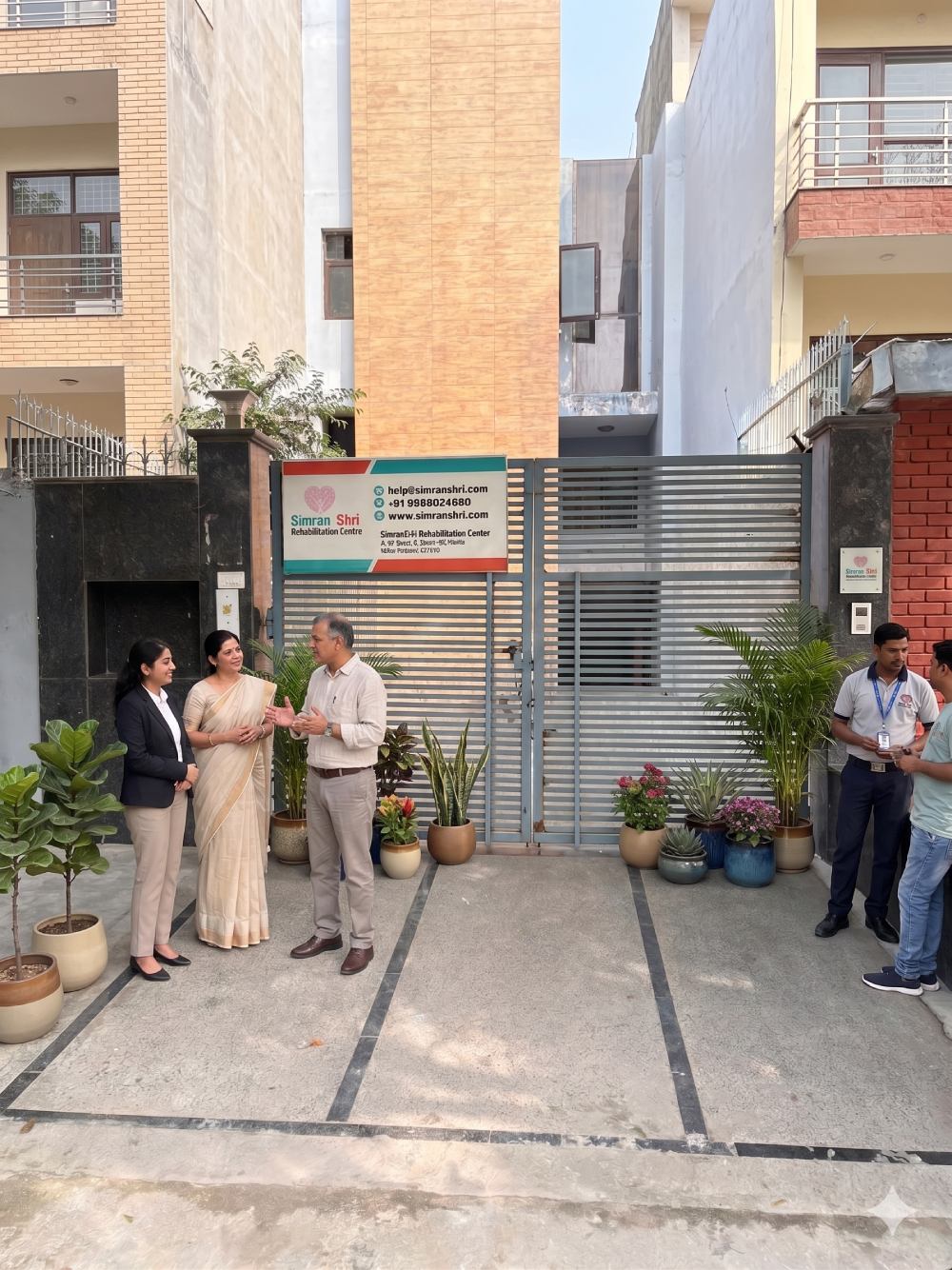
SimranShri Rehabilitation Centre was founded by Ms. Geeta Tewari to support individuals and families navigating addiction and rehabilitation.
The centre reports eight years of experience, with staff bringing over 30 years of combined experience. It also reports having supported more than 2,000 families across North India.
SimranShri identifies itself as government-approved. Families can request the applicable approval or registration details to understand the issuing authority, validity, and scope.
The centre offers a confidential admission process to help individuals and families understand the available services and practical steps involved in seeking rehabilitation.
Why Seek Professional Cocaine Addiction Treatment in Delhi NCR?
Individualised Assessment
Treatment planning should consider the person's pattern of cocaine use, general health, mental health, other substances used, previous treatment experiences, and support system.
Counselling and Behavioural Support
Behavioural therapies can help people understand triggers, work on coping skills, and change patterns associated with substance use. The appropriate approach depends on individual needs and the services available.
Support for Emotional Well-Being
Cocaine use may occur alongside anxiety, depression, sleep problems, or other mental health concerns. These issues should be assessed rather than assumed to be caused by cocaine alone.
Family Guidance
Family members may need help understanding addiction, communicating constructively, establishing healthy boundaries, and supporting treatment without taking responsibility for the person's recovery.
Continuing Recovery Support
Planning for life after a residential programme can help individuals identify triggers, build routines, access support, and respond to warning signs of a return to use.
Understanding Cocaine Addiction
Cocaine is a powerful stimulant that affects the central nervous system. Repeated use can contribute to compulsive substance use, cravings, sleep difficulties, mood changes, and problems affecting work, relationships, and personal well-being.
Some people experience difficulty reducing or stopping cocaine use despite its negative effects on their lives. Others may find that cravings or particular social situations make it difficult to maintain progress after stopping.
Cocaine-related difficulties can affect individuals differently. Treatment needs depend on the pattern of use, physical and mental health, previous treatment experiences, and the support available at home.
Professional assessment can help determine the appropriate level of care and whether residential rehabilitation, outpatient support, or another treatment pathway is suitable.
Signs That Someone May Need Cocaine Addiction Treatment
Recognising problematic cocaine use can help individuals and families seek support earlier.
Possible warning signs include:
- Repeatedly using cocaine despite intending to stop or reduce use.
- Strong cravings or persistent thoughts about using cocaine.
- Difficulty managing sleep, mood, or daily responsibilities.
- Relationship conflicts or financial difficulties associated with substance use.
- Continuing use despite physical or emotional consequences.
- Returning to cocaine use after attempts to stop.
- Withdrawing from family, work, or previously important activities.
These signs do not independently establish a diagnosis. A qualified healthcare professional can assess the person’s circumstances and recommend appropriate care.
Cocaine Addiction Treatment at SimranShri Rehabilitation Centre
SimranShri Rehabilitation Centre lists cocaine addiction treatment among its services. Its published treatment information describes a structured residential programme with behavioural therapy, assessment, continuing support, and relapse-prevention planning.
The specific treatment plan should be determined according to individual clinical needs.

Initial Assessment
The assessment helps establish the person’s substance-use history, frequency of use, previous treatment experiences, physical health, mental health, and immediate support needs.
The clinical team can use this information to determine the appropriate treatment pathway and whether additional medical or psychiatric assessment is required.

Withdrawal and Early Recovery Support
Stopping cocaine can be followed by fatigue, changes in sleep, low mood, agitation, and cravings. Some individuals may experience significant depression or other mental health concerns during withdrawal.
Support during this period should be guided by the person’s symptoms and clinical needs. Medical assessment is particularly important when there are concerns about severe depression, suicidal thoughts, chest pain, or other serious symptoms.
SimranShri describes an initial stabilisation phase as part of its cocaine treatment programme. Contact the centre to confirm the clinical monitoring and support available for the individual case.

Cognitive Behavioural Therapy (CBT)
Cognitive behavioural therapy can help individuals identify patterns associated with substance use, recognise high-risk situations, and develop healthier ways to respond to cravings and stress.
Depending on the treatment plan, CBT may help a person work on:
- Identifying triggers and situations associated with cocaine use.
- Recognising thoughts and behaviours that contribute to continued use.
- Developing coping strategies for cravings.
- Managing stress and emotional difficulties.
- Building routines that support recovery.
- Planning for situations that could increase the risk of returning to use.
The suitability and delivery of CBT depend on the individual’s assessment and the treatment services available.

Behavioural Support and Contingency Management
Contingency management is a behavioural approach that reinforces specific treatment goals, such as attending sessions or meeting agreed recovery milestones.
Research supports its use in the treatment of stimulant-use disorders, including cocaine use disorder. It may be combined with other behavioural approaches according to clinical judgement and programme availability.
SimranShri’s published cocaine treatment page identifies behavioural approaches, including CBT and contingency management, as part of its programme description. Families should confirm which interventions are currently provided and by whom.

Individualised Recovery Planning
Recovery planning considers the person’s substance-use history, mental health, family circumstances, and continuing support needs.
Depending on the assessment, a plan may address coping skills, emotional well-being, daily routines, relationships, and ways to manage situations associated with cocaine use.
Treatment should be reviewed as the individual’s needs change rather than assuming that every person requires the same programme.
Rehabilitation Facilities and Living Arrangements
The physical environment, accommodation, privacy, and support arrangements are important considerations when choosing a Cocaine Addiction Treatment Centre in Noida.
SimranShri’s published facilities page describes its residential environment.
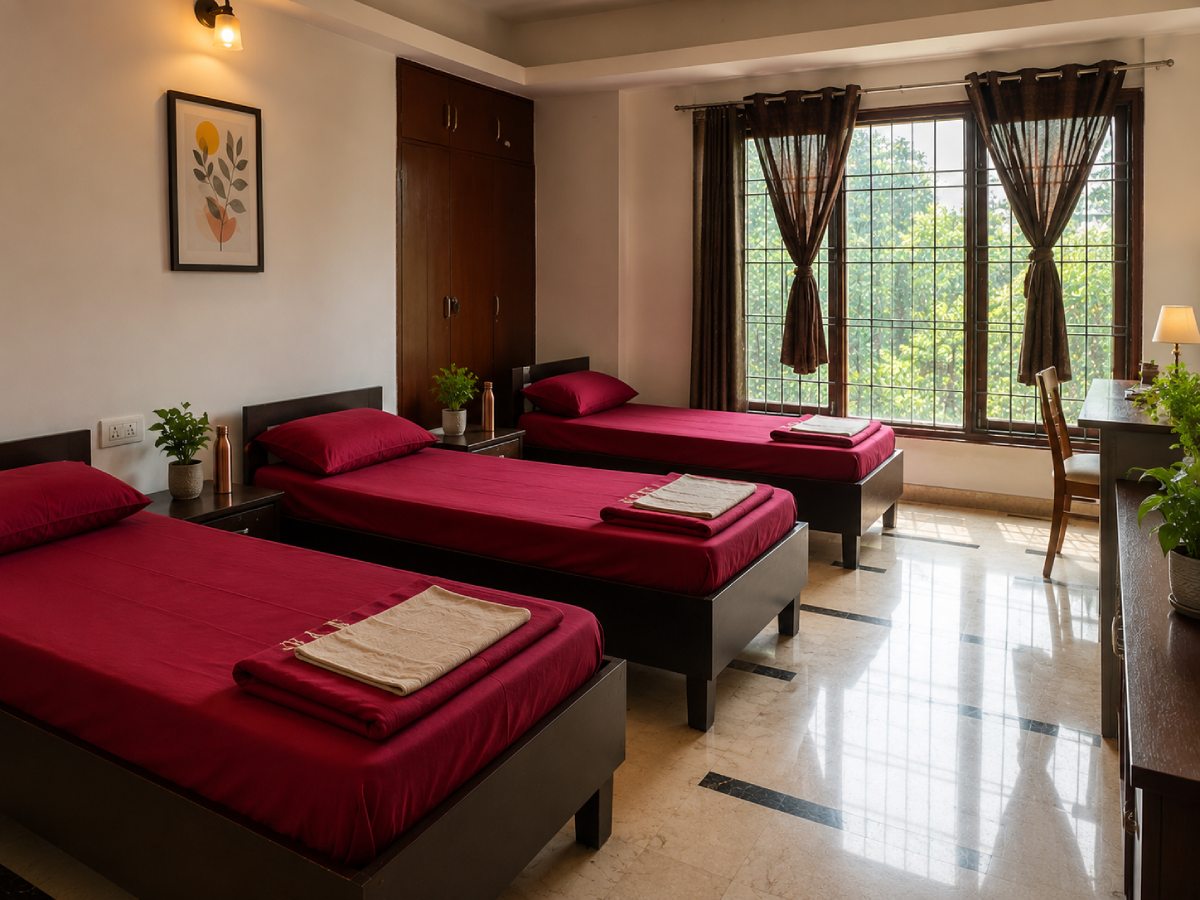
Residential Accommodation
The facilities information describes private and shared room options. Families can ask about current availability, room arrangements, included amenities, accessibility, and differences in cost.
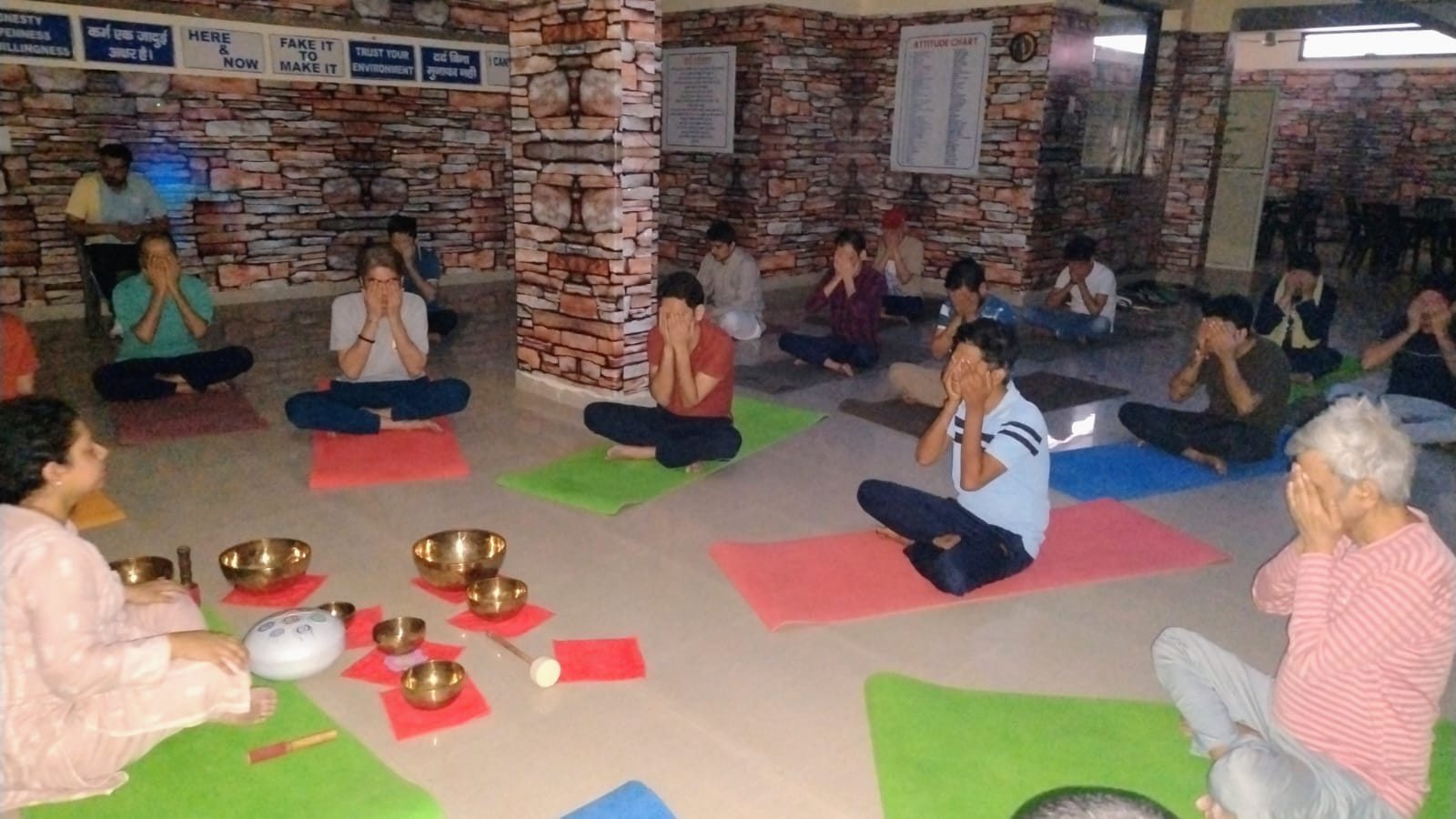
Counselling and Therapy Spaces
Ask about the facilities available for individual counselling, family sessions, group activities, and other programme components. The admissions team can explain which activities are available and how they fit into the treatment programme.
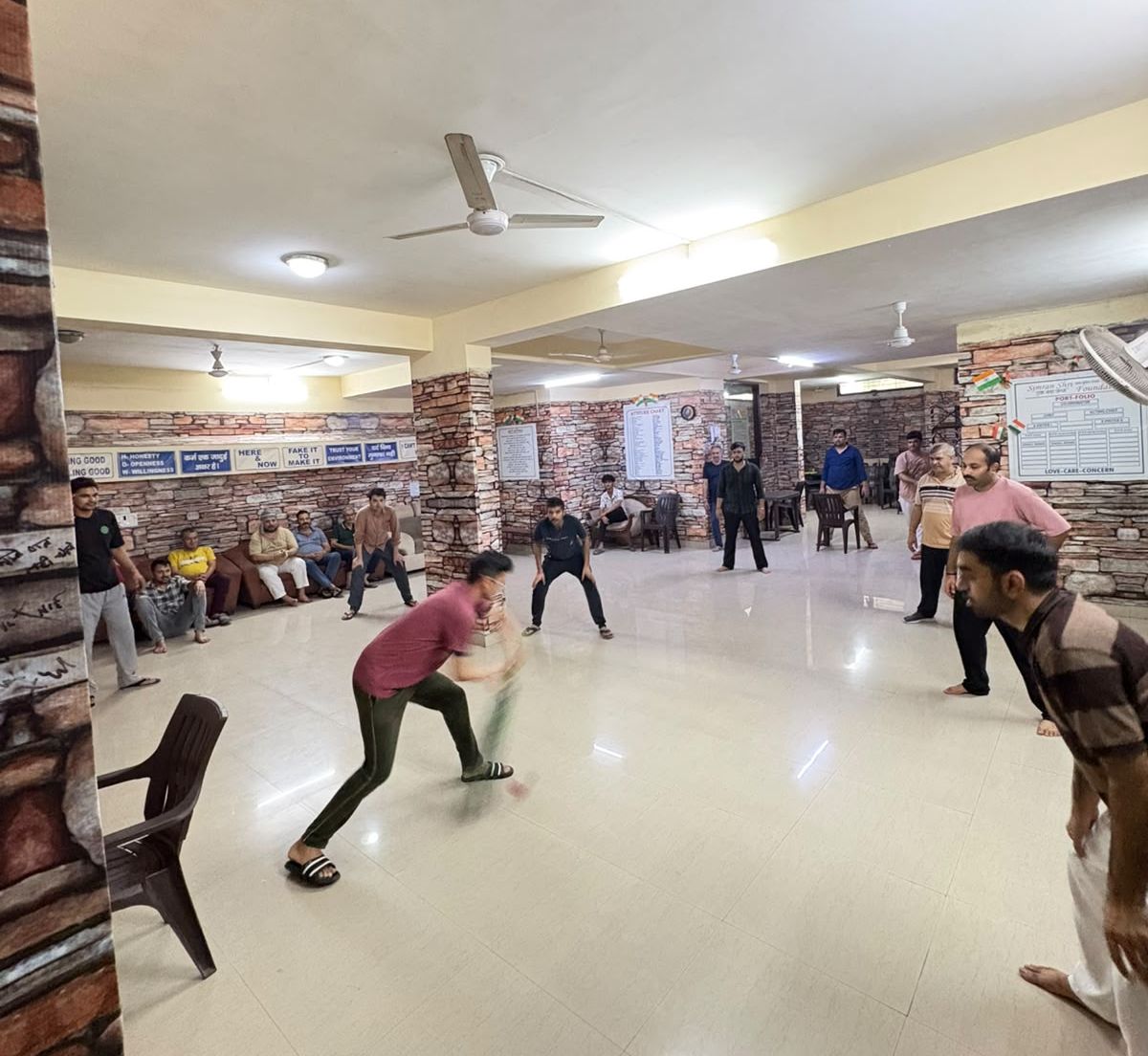
Daily Routine and Recovery Environment
A structured daily routine may include treatment activities, counselling, rest, and other programme components. Request a current sample schedule and confirm which activities are included in the programme being considered.
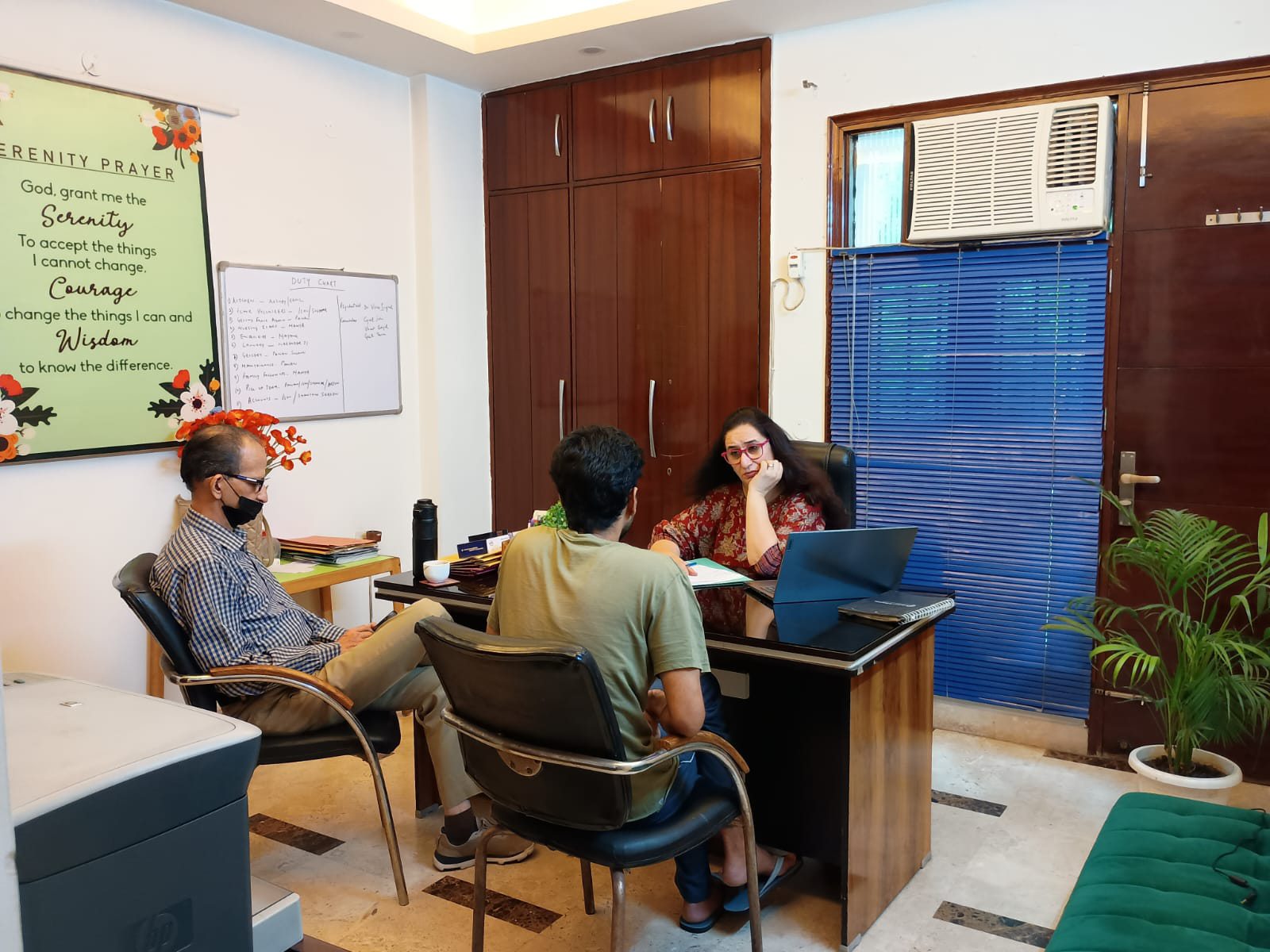
Staff Qualifications and Professional Supervision
The centre reports over 30 years of combined staff experience. Families should also request details of the professionals involved, their qualifications, relevant registrations, and the arrangements for medical supervision and referrals.
Addiction Specialists, Therapists & Recovery Experts

Ms. Geeta Tewari
Founder · Managing Trustee

Dr. Vikas Singhal
Psychiatrist

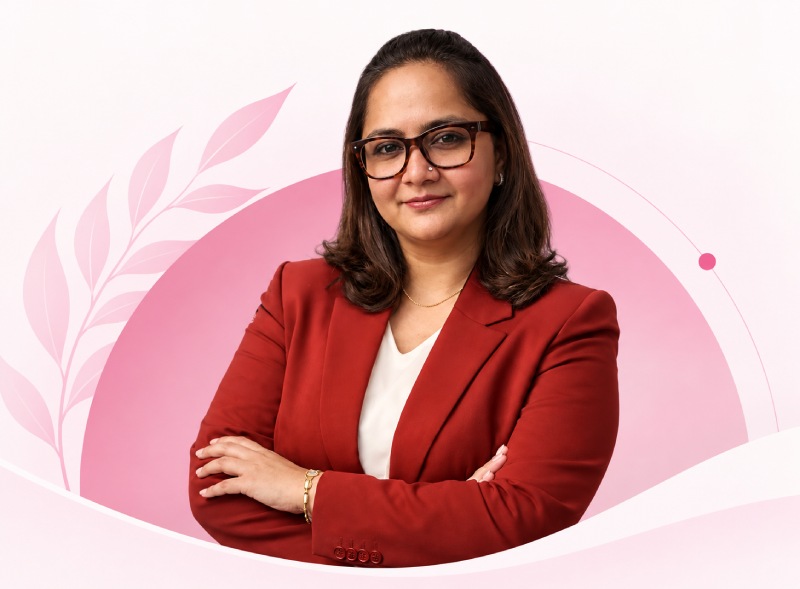
Muskaan Trikha
RCI registered Clinical Psychologist
Shreya Sarkar
Mental health professional and holistic wellness practitioner
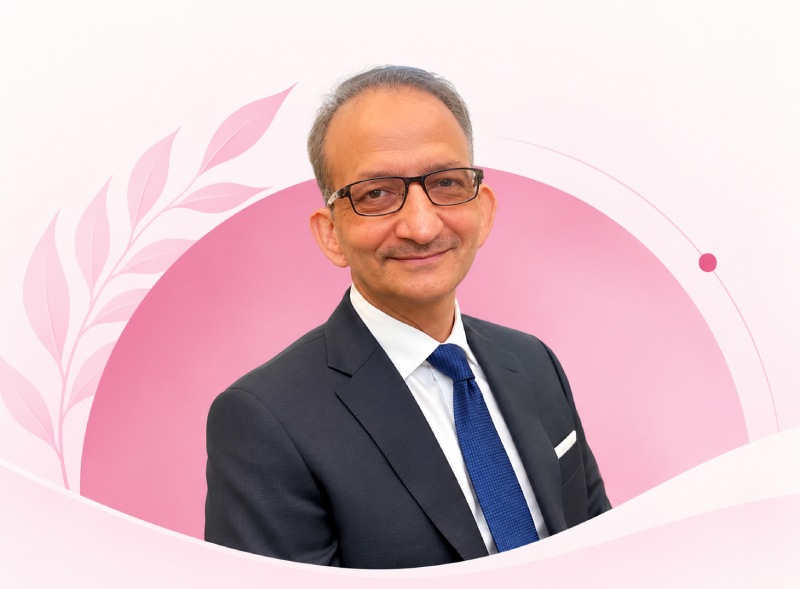
Mr. Vineet Sehgal
Senior Counselling Psychologist
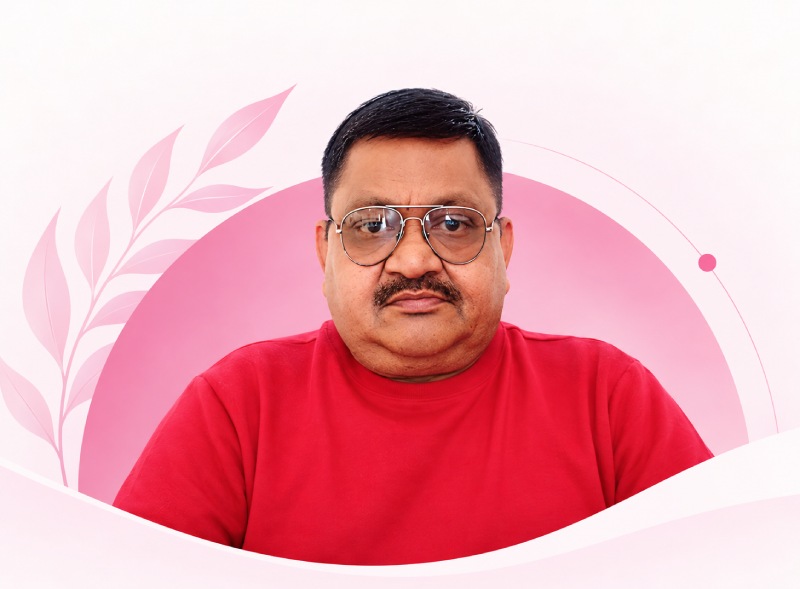
Mr. Cyril John
Visiting Counsellor
Residential Cocaine Addiction Treatment in Delhi NCR
Residential treatment may be considered when a person needs a structured environment, ongoing support, or distance from circumstances associated with continued substance use.
SimranShri Rehabilitation Centre provides residential rehabilitation at its facility in Sector 92, Noida, and accepts enquiries from families across Delhi NCR.
Before choosing residential care, families should discuss:
- Whether residential treatment is clinically appropriate.
- The assessment and monitoring arrangements.
- The professionals involved in treatment.
- The therapies and other services available.
- Accommodation and daily routines.
- Family communication and participation.
- The anticipated programme duration and total fees.
- Discharge planning and aftercare.
The centre’s published cocaine treatment page describes residential programmes that may last 45–120 days, depending on individual requirements. This is a programme description, not a guaranteed or universally appropriate treatment duration. The actual plan should be determined through assessment and ongoing clinical review.
Family Support During Cocaine Addiction Treatment
Cocaine-related difficulties can affect family relationships, communication, trust, and everyday responsibilities. Family members may also feel uncertain about how to respond to cravings, setbacks, or difficulties following treatment.
SimranShri Rehabilitation Centre lists family therapy among its services.
Depending on the programme and the individual’s needs, family sessions may help relatives understand substance-use difficulties, communicate more constructively, establish appropriate boundaries, and support a recovery plan.
The centre’s published cost information describes weekly family sessions during residential treatment, including remote participation for families who cannot attend in person. Families should confirm current arrangements and eligibility with the admissions team.
Family participation should respect the individual’s privacy, consent, and treatment needs.
Cocaine Addiction Relapse Prevention and Aftercare
Continuing support can be important after the initial phase of treatment. Cravings, stress, sleep difficulties, emotional challenges, and exposure to familiar situations may create difficulties for some individuals after discharge.
Relapse-prevention planning can help people recognise warning signs, develop coping strategies, and identify appropriate sources of support.
SimranShri Rehabilitation Centre lists relapse prevention and aftercare among its services.
Depending on the individual’s plan, ongoing support may include:
- Identifying personal triggers and high-risk situations.
- Developing strategies to respond to cravings.
- Maintaining supportive routines.
- Follow-up counselling.
- Appropriate family involvement.
- Referral to additional healthcare services when needed.
- Reviewing the recovery plan when circumstances change.
The centre’s published cost guide describes continuing post-discharge support as part of its residential programme. Ask the admissions team to confirm the current aftercare schedule, duration, and services included in the quoted fee.
Returning to cocaine use does not mean that further treatment cannot help. Additional assessment and changes to the treatment plan may be appropriate.
When Should Someone Seek Urgent Medical Help?
Cocaine use can be associated with serious medical and psychiatric complications.
Seek urgent medical attention if someone experiences chest pain, difficulty breathing, a seizure, collapse, severe confusion, or other signs of a medical emergency.
Severe depression, suicidal thoughts, or dangerous changes in behaviour also require prompt professional attention. Do not wait for a routine rehabilitation admission when emergency care is needed.
A rehabilitation centre’s services should not be treated as a substitute for emergency medical care.
Cocaine Addiction Treatment Fees in Delhi NCR
The cost of cocaine addiction treatment can vary according to the recommended level of care, programme duration, accommodation, clinical needs, and continuing support.
SimranShri Rehabilitation Centre provides a cost of rehabilitation guide explaining the factors that influence residential treatment fees.
The centre does not publish one fixed residential treatment price on that page. Its stated approach is to discuss an individual quotation following an initial conversation and assessment.
What Can Affect the Cost?
- The complexity of the person’s clinical needs.
- The recommended treatment duration.
- Private or shared accommodation.
- Additional medical or specialist consultations.
- The therapies and services included.
- The continuing support available after discharge.
Before admission, request a clear fee breakdown, including accommodation, treatment, assessments, family sessions, exclusions, and any additional charges that may apply.
For current pricing information, call +91 9958024680 or visit the rehabilitation cost guide.
Confidential Admission Process at SimranShri
Taking the first step towards cocaine addiction treatment can be difficult for individuals and families. Understanding the process can make it easier to ask questions and evaluate the available options.
Step 1: Initial Confidential Call
Call +91 9958024680 to discuss the person’s circumstances, urgency, and treatment requirements.
The admissions team gathers initial information to help establish the next steps.
Step 2: Clinical Assessment
The centre describes an assessment process that considers substance use, withdrawal risks, medical history, mental health, and family circumstances.
The assessment helps determine whether residential treatment, outpatient support, or another pathway may be appropriate.
Step 3: Admission Planning
The admissions team explains the proposed treatment arrangements, required documents, costs, accommodation, and practical details.
According to the centre’s published admission page, planned admissions typically take place within 24–48 hours following the initial call and assessment, subject to individual circumstances and arrangements.
Step 4: Admission and Treatment Initiation
Following admission, the centre describes an on-site assessment, orientation, and the start of the individual’s treatment plan.
Families should confirm the available monitoring arrangements, consent procedures, communication policies, and how progress will be reviewed.
Step 5: Discharge and Continuing Support
The centre describes discharge planning and post-treatment support as part of its rehabilitation offering. Confirm the current aftercare services and any applicable conditions before admission.
Read the SimranShri admission process for more information
A Structured Daily Routine Supporting Addiction Recovery
| Time | Alcohol Recovery & Wellness Focus |
|---|---|
| 6:30 AM | Gentle awakening and hydration recovery |
| 7:00 AM | Mindfulness, yoga, or light movement therapy |
| 8:00 AM | Nutritional breakfast supporting detox recovery |
| 9:30 AM | Individual addiction therapy and counselling |
| 11:30 AM | Group recovery sessions and psychoeducation |
| 1:00 PM | Structured lunch and restorative downtime |
| 3:00 PM | Wellness activities, fitness, or emotional processing |
| 5:00 PM | Relapse prevention and coping strategy work |
| 7:00 PM | Supportive communal dinner and peer connection |
| 8:30 PM | Evening reflection and sleep recovery preparation |
Evidence-Based Addiction Treatment & Recovery Therapies
Core Alcohol Recovery Therapies
| Therapeutic Framework | Purpose | Frequency |
|---|---|---|
| Cognitive Behavioral Therapy (CBT) | Identify triggers and restructure addictive thought patterns | 3x weekly |
| Relapse Prevention Therapy | Build emotional coping strategies and sobriety planning | Weekly |
| Trauma-Informed Counselling | Address emotional pain linked to addiction | Weekly |
| Group Recovery Therapy | Strengthen accountability and peer support | 3x weekly |
| Family Counselling | Rebuild communication and trust systems | Bi-weekly |
| Psychiatric Support & Medication Management | Stabilize mood, anxiety, and withdrawal symptoms | As prescribed |
Holistic Sobriety & Lifestyle Rehabilitation
Emotional Regulation & Stress Management
Helping individuals manage emotional triggers, stress, and psychological discomfort without relying on alcohol.Mindfulness & Craving Awareness Training
Improving emotional awareness, impulse control, and craving management during long-term sobriety recovery.Physical Wellness & Nervous System Recovery
Supporting sleep quality, liver recovery, energy restoration, nervous system healing, and healthy lifestyle rebuilding.Transparent Alcohol Addiction Recovery Outcomes & Clinical Support
83%
Verified addiction recovery assessments
2,000+
Families Treated
4.9/5
Facility Trust Score
2:1
Clinical Oversight Ratio
Frequently Asked Questions About Cocaine Addiction Treatment in Delhi NCR
Where can I find cocaine addiction treatment in Delhi NCR?
SimranShri Rehabilitation Centre provides cocaine addiction treatment and rehabilitation support at its facility in Sector 92, Noida, and accepts enquiries from families across Delhi NCR. Contact the centre to discuss assessment, available services, and admission arrangements.
What treatment approaches are used for cocaine addiction?
Behavioural treatments, including cognitive behavioural therapy and contingency management, can help address cocaine use disorder. The appropriate treatment plan depends on the person’s circumstances, clinical assessment, and available services.
Does SimranShri Rehabilitation Centre treat cocaine addiction?
Cocaine addiction treatment is listed among the centre’s services. Contact the admissions team to confirm the current programme, assessment requirements, and clinical arrangements.
How long does cocaine addiction treatment take?
Treatment duration varies according to the person’s needs, clinical circumstances, and response to treatment. SimranShri’s published programme information describes residential treatment durations of 45–120 days, but the appropriate duration must be determined individually.
Does cocaine withdrawal require medical supervision?
Some people experience fatigue, mood changes, sleep difficulties, and strong cravings after stopping cocaine. Medical or psychiatric assessment may be necessary, particularly when symptoms are severe or there are concerns about depression, suicidal thoughts, or other health complications.
Is residential treatment necessary for cocaine addiction?
Not everyone needs residential treatment. The appropriate level of care depends on clinical needs, the home environment, previous treatment experiences, and available support. An assessment can help determine whether residential or outpatient treatment is suitable.
Does SimranShri provide CBT for cocaine addiction?
The centre’s published cocaine treatment page identifies CBT among its treatment approaches. Ask the centre to confirm the current therapy schedule, the qualifications of the professionals providing it, and whether it is suitable for the individual.
Does the centre provide family therapy?
Family therapy is listed among SimranShri’s services. The centre’s published cost guide describes weekly family sessions during residential treatment, including remote participation for families who cannot attend in person. Confirm current arrangements directly.
What is the cost of cocaine addiction treatment at SimranShri?
The centre’s published cost guide explains that residential fees depend on clinical requirements, programme duration, accommodation, and other factors. Contact the admissions team for a current quotation based on an initial assessment.
Is the admission process confidential?
SimranShri describes its admission process as confidential. Families should ask how personal information is handled, who may access it, and what legal or safety-related limits to confidentiality apply.
Does SimranShri serve families from Delhi and Greater Noida?
Yes. The centre accepts enquiries from families across Delhi NCR, including Delhi and Greater Noida. Its physical facility is in Sector 92, Noida. Contact the team to confirm admission and transport arrangements.
What happens after cocaine addiction treatment?
Continuing support may include counselling, relapse-prevention planning, family support, and appropriate referrals. SimranShri lists relapse prevention and aftercare among its services; confirm the actual programme details before admission.
How can I contact SimranShri Rehabilitation Centre?
Call +91 9958024680 or email help@simranshrirehab.com. You can also visit the official contact page.
Contact SimranShri Rehabilitation Centre
SimranShri Rehabilitation Centre, founded by Ms. Geeta Tewari, reports eight years of centre experience, over 30 years of combined staff experience, and support for more than 2,000 families across North India.
Contact the admissions team to discuss cocaine addiction treatment, assessment requirements, residential rehabilitation, fees, and continuing support.
Full address
SimranShri Rehabilitation Centre
A-46, Sector 92
Noida, Uttar Pradesh 201304
India
Hours
Admissions desk — 24 hours, 7 days
Office & visits — 9:00 AM to 8:00 PM
Getting here
Pickup is coordinated across Delhi NCR as part of admission. If driving: Sector 92 is accessible via the Noida-Greater Noida Expressway and FNG Expressway. Free parking available on-site.
Useful next pages for Delhi NCR families.
Talk to admissions before the situation escalates.
The call is confidential. The team will explain clinical fit, admission timing, cost, travel, documents, and family involvement.