Cocaine Addiction Treatment in Delhi – SimranShri Rehabilitation Centre
Looking for Cocaine Addiction Treatment in Delhi for yourself or someone you care about? SimranShri Rehabilitation Centre provides addiction rehabilitation support for individuals experiencing cocaine-related difficulties and families seeking professional guidance.
Founded by Ms. Geeta Tewari, SimranShri Rehabilitation Centre reports eight years of centre experience, over 30 years of combined staff experience, and support for more than 2,000 families across North India. The centre identifies itself as government-approved and offers a confidential admission process.
Its cocaine addiction treatment programme focuses on assessment, emotional and behavioural stabilisation, counselling, relapse prevention, and continuing support. The appropriate treatment plan depends on the individual’s circumstances and clinical assessment.
Our Address
A-46, Sector 92
Noida, Uttar Pradesh
201304
Admission enquiries: +91 9958024680
Directions: Find SimranShri Rehabilitation Centre
Inside Our Rehabilitation Centre
Our Cocaine Addiction Treatment in Noida focuses on long-term recovery through structured routines, therapeutic activities, and continuous medical supervision.
About SimranShri Rehabilitation Centre
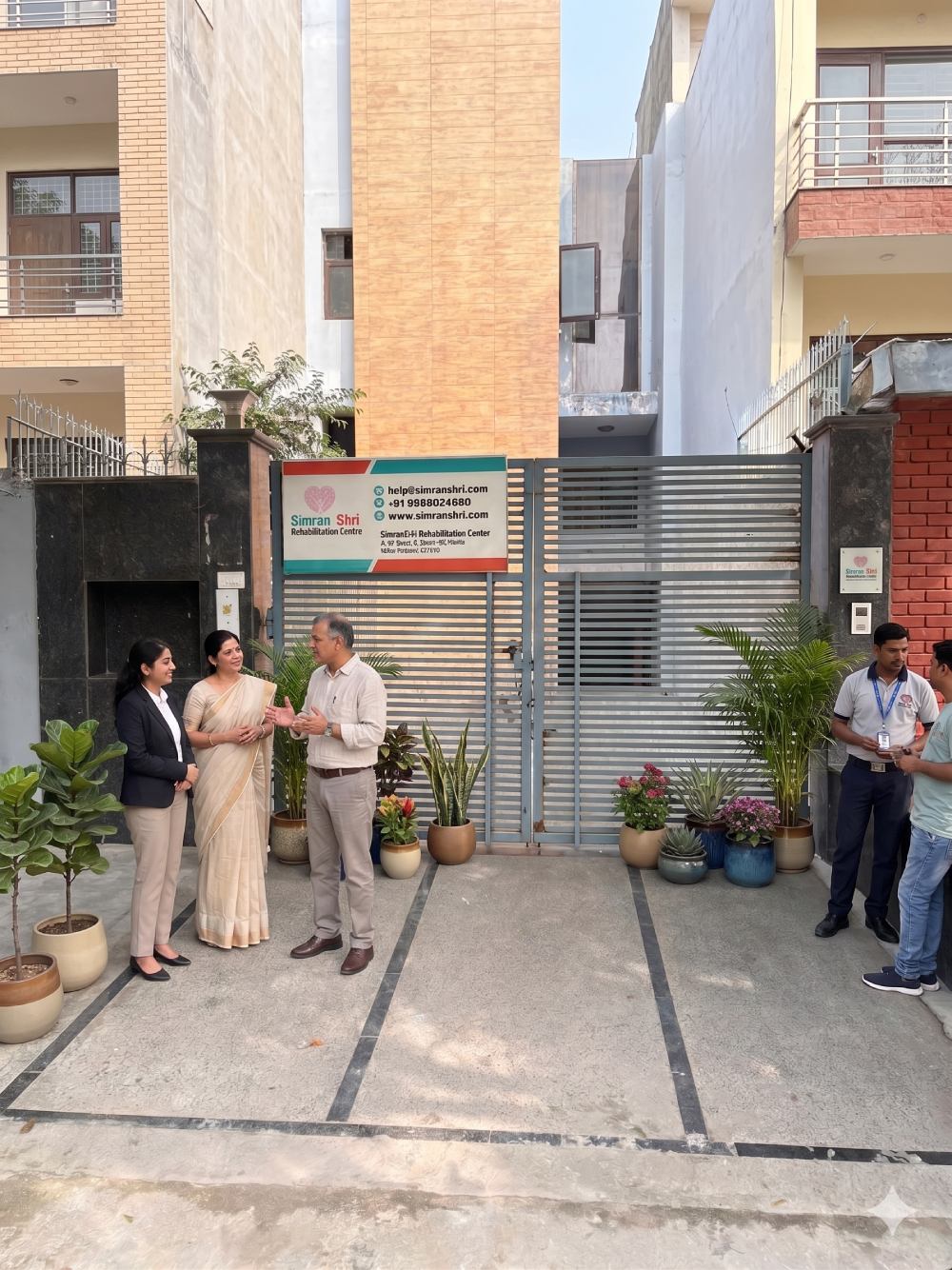
SimranShri Rehabilitation Centre was founded by Ms. Geeta Tewari to support individuals and families navigating addiction and rehabilitation.
The centre reports eight years of experience, with staff bringing over 30 years of combined experience. It also reports having supported more than 2,000 families across North India.
SimranShri identifies itself as government-approved. Families can request the applicable approval or registration details to understand the issuing authority, validity, and scope.
The centre offers a confidential admission process to help individuals and families understand the available services and practical steps involved in seeking rehabilitation.
Why Consider SimranShri Rehabilitation Centre?
Choosing a rehabilitation centre requires careful consideration of the services available, the qualifications of its staff, the treatment process, and the arrangements for ongoing support.
Eight Years of Centre Experience
SimranShri Rehabilitation Centre reports eight years of centre experience. Families can enquire about the services provided and how the centre's experience relates to the individual's treatment needs.
Experienced Staff
The centre reports over 30 years of combined staff experience. Ask about the professionals involved, their qualifications, responsibilities, and relevant registrations.
Government-Approved Status
SimranShri identifies itself as a government-approved centre. Families should request the applicable approval or registration details and verify the authority, validity, and scope.
Support for More Than 2,000 Families
The centre reports having supported more than 2,000 families across North India. This figure describes the centre's reported experience and does not guarantee an individual treatment outcome.
Confidential Admission Process
The centre offers a confidential admission process. Individuals and families can ask how personal information is collected, stored, and shared, including any applicable limits to confidentiality.
Family Therapy and Aftercare
Family therapy and continuing support are included among the centre's listed services. Ask which arrangements are available for the proposed programme and what is included in the fee.
Understanding Cocaine Addiction
Cocaine is a powerful stimulant that affects the central nervous system. Its use can influence mood, sleep, decision-making, physical health, finances, and personal relationships.
Some individuals continue working, socialising, or managing everyday responsibilities while experiencing increasing difficulties with cocaine use. Others may experience noticeable changes in behaviour, sleep, mood, or their ability to manage daily activities.
Repeated cocaine use can contribute to cravings, difficulty controlling use, and continued consumption despite harmful consequences. Recognising these patterns can help individuals and families seek an appropriate professional assessment.
Cocaine addiction is a treatable health concern. The appropriate support depends on the person’s substance-use history, mental and physical health, individual risks, and treatment needs.
Signs That Someone May Need Cocaine Addiction Treatment
The signs of problematic cocaine use differ from person to person. Families may notice changes in behaviour or daily functioning before the individual openly discusses substance use.
Possible warning signs include:
- Repeated cocaine use despite intentions to stop.
- Strong cravings or difficulty controlling consumption.
- Reduced sleep or disrupted sleeping patterns.
- Irritability, anxiety, restlessness, or significant mood changes.
- Periods of low mood or fatigue after use.
- Unexplained spending, financial difficulties, or secrecy.
- Changes in work performance, relationships, or responsibilities.
- Continuing use despite physical, emotional, or social consequences.
These signs do not establish a diagnosis on their own. A qualified healthcare professional can assess the situation and discuss appropriate treatment options.
Families do not need to wait for a severe crisis before seeking guidance.
Cocaine Addiction Treatment at SimranShri Rehabilitation Centre
SimranShri Rehabilitation Centre lists cocaine addiction treatment among its services. Its published programme describes a structured approach that considers the emotional, behavioural, and psychological challenges associated with cocaine use.
Treatment may involve assessment, stabilisation, individual counselling, behavioural therapies, psychiatric evaluation where appropriate, and continued recovery support.

Initial Assessment and Treatment Planning
The first step is understanding the individual’s circumstances. An assessment may consider the frequency and duration of cocaine use, previous attempts to stop, sleep patterns, mental health concerns, other substances used, and relevant medical history.
SimranShri describes an initial assessment process to help determine the appropriate treatment pathway.
The admissions team can explain the assessment requirements and the available options, including whether residential treatment, outpatient support, or another level of care may be suitable.

Emotional and Behavioural Stabilisation
After stopping cocaine, some individuals experience fatigue, sleep changes, strong cravings, irritability, anxiety, or low mood.
The initial stage of treatment may focus on stabilising sleep, nutrition, emotional well-being, and daily routines while monitoring relevant clinical concerns.
Cocaine withdrawal does not follow exactly the same pattern as alcohol or sedative withdrawal. Nevertheless, it can involve serious psychological symptoms, and individual assessment is important.

Cognitive Behavioural Therapy (CBT)
Cognitive Behavioural Therapy is a structured psychological approach that helps people recognise connections between thoughts, emotions, situations, and behaviour.
For cocaine addiction, CBT may help individuals identify triggers, understand patterns associated with use, develop coping strategies, and plan how to respond to high-risk situations.
SimranShri’s published cocaine treatment page identifies CBT as part of its treatment approach. The suitability and frequency of therapy should be discussed with the treating team.

Contingency Management
Contingency management is a behavioural treatment approach that uses structured incentives to reinforce agreed recovery-related behaviours.
Depending on the programme, this approach may support treatment engagement and progress towards defined goals.
SimranShri’s published cocaine treatment information identifies contingency management as part of its stated protocol. Families can ask the centre how this approach is implemented and whether it is included in the proposed programme.

Psychiatric and Psychological Support
Cocaine use can occur alongside anxiety, depression, sleep difficulties, or other mental health concerns. Some symptoms may be related to substance use, while others may require separate assessment.
A suitable treatment plan should consider co-occurring concerns and determine whether psychiatric assessment, psychological treatment, or referral to another healthcare provider is needed.
Ask SimranShri which qualified professionals are involved in the proposed programme and how additional clinical needs are managed.

Family Involvement
Family members may need guidance on communication, boundaries, privacy, and how to support someone experiencing cocaine-related difficulties.
SimranShri lists family therapy among its services. Family sessions can provide an opportunity to discuss concerns and explore constructive ways to participate in the recovery process.
The nature of family involvement depends on the individual’s circumstances, consent, and the centre’s treatment arrangements.

Relapse Prevention and Aftercare
Recovery requires attention to the situations, emotions, routines, and social environments associated with previous substance use.
Relapse-prevention planning may include recognising warning signs, managing cravings, developing coping strategies, maintaining supportive routines, and seeking help when difficulties arise.
SimranShri describes continuing aftercare as part of its rehabilitation offering. Families should confirm the current follow-up arrangements, duration, and any applicable costs.
Recovery experiences differ between individuals, and no treatment programme can guarantee a particular outcome.
Why Cocaine Addiction May Require a Specific Treatment Approach
Cocaine is a stimulant, and the difficulties associated with its use may differ from those associated with alcohol, opioids, or other substances.
For some people, the period after stopping cocaine involves pronounced fatigue, low mood, cravings, disrupted sleep, and a heightened risk of returning to use. These challenges can continue after the initial effects of the substance have worn off.
Treatment therefore needs to consider more than the first few days after stopping.
An appropriate recovery plan may address:
- Psychological and behavioural patterns associated with use.
- Cravings and high-risk situations.
- Sleep, mood, and daily routines.
- Co-occurring mental health concerns.
- Family and relationship difficulties.
- Continued counselling and relapse-prevention support.
The length and intensity of treatment should be determined by the person’s clinical needs rather than a fixed promise about how quickly recovery will occur.
Residential Cocaine Addiction Treatment in Delhi NCR
Residential rehabilitation may be considered when a person needs structured support away from familiar triggers, requires a consistent treatment routine, or has not achieved sufficient progress with a less intensive approach.
SimranShri Rehabilitation Centre operates its residential facility in Sector 92, Noida, and serves families from Delhi NCR and other parts of North India.
Its published cocaine treatment page describes residential programmes, with the appropriate duration determined by individual requirements.
Before choosing residential treatment, ask about:
- The assessment and admission process.
- Professional qualifications and clinical supervision.
- The services and therapies included.
- Medical and psychiatric support arrangements.
- Accommodation and daily routines.
- Family communication and participation.
- Fees, exclusions, and additional charges.
- Discharge planning and continuing support.
Residential treatment is not necessarily the right option for every individual. A professional assessment should establish the level of care required.
When to Seek Urgent Medical Help
Cocaine use can be associated with serious medical and psychiatric complications. Urgent assessment is important when someone develops chest pain, difficulty breathing, a seizure, collapse, severe confusion, extreme agitation, or other potentially life-threatening symptoms.
Seek emergency medical assistance immediately if these symptoms occur. In India, call 112 for emergency assistance where available.
Severe depression, suicidal thoughts, or an immediate risk of self-harm also require urgent professional support. Do not rely on a rehabilitation enquiry or routine admission process for an emergency.
A healthcare professional can determine the safest next steps based on the person’s condition.
Rehabilitation Facilities and Living Arrangements
The physical environment, accommodation, privacy, and support arrangements are important considerations when choosing a Cocaine Addiction Treatment centre in Noida.
SimranShri’s published facilities page describes its residential environment.
Residential Accommodation
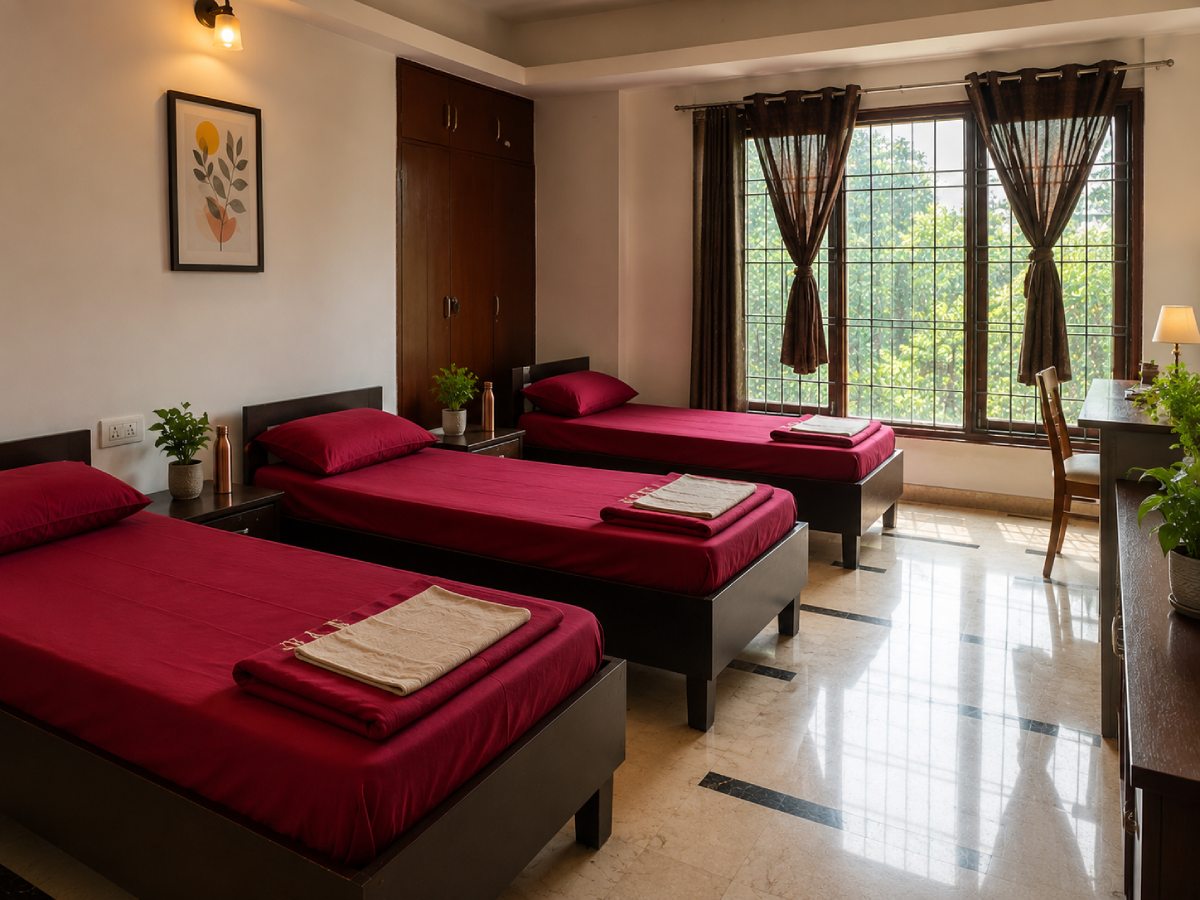
The facilities information describes private and shared room options. Families can ask about current availability, room arrangements, included amenities, accessibility, and differences in cost.
Counselling and Therapy Spaces
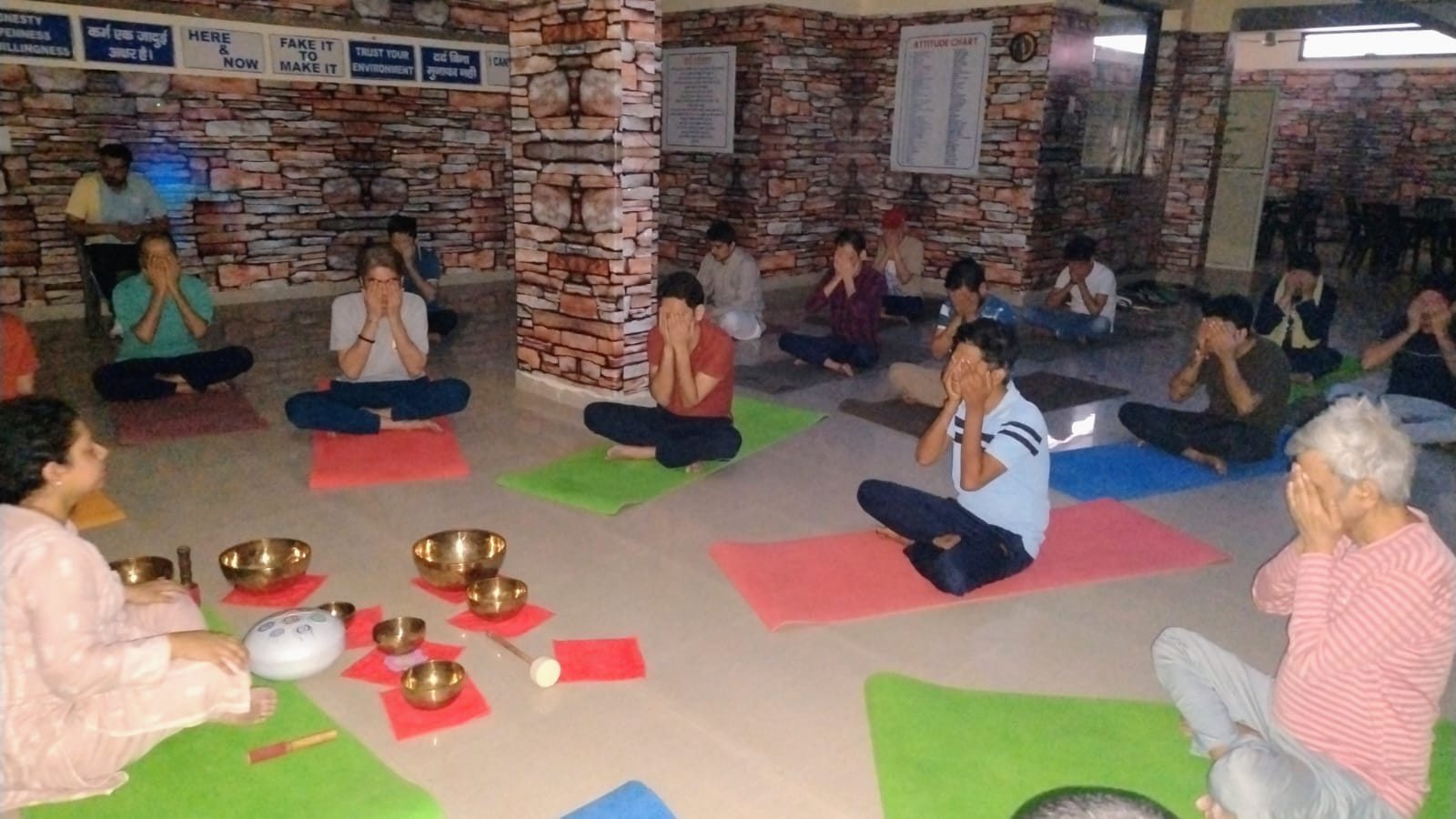
Ask about the facilities available for individual counselling, family sessions, group activities, and other programme components. The admissions team can explain which activities are available and how they fit into the treatment programme.
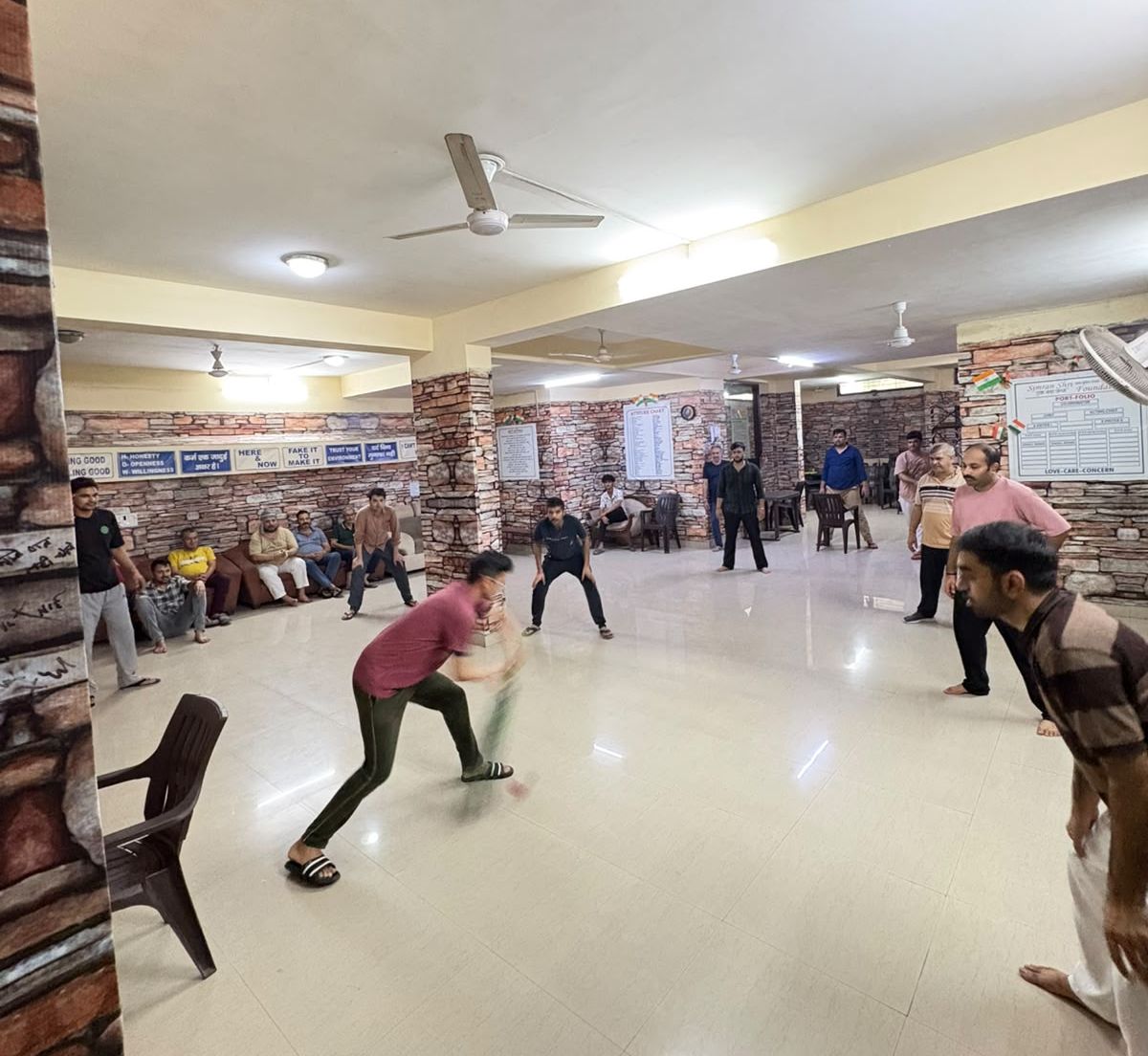
Daily Routine and Recovery Environment
A structured daily routine may include treatment activities, counselling, rest, and other programme components. Request a current sample schedule and confirm which activities are included in the programme being considered.
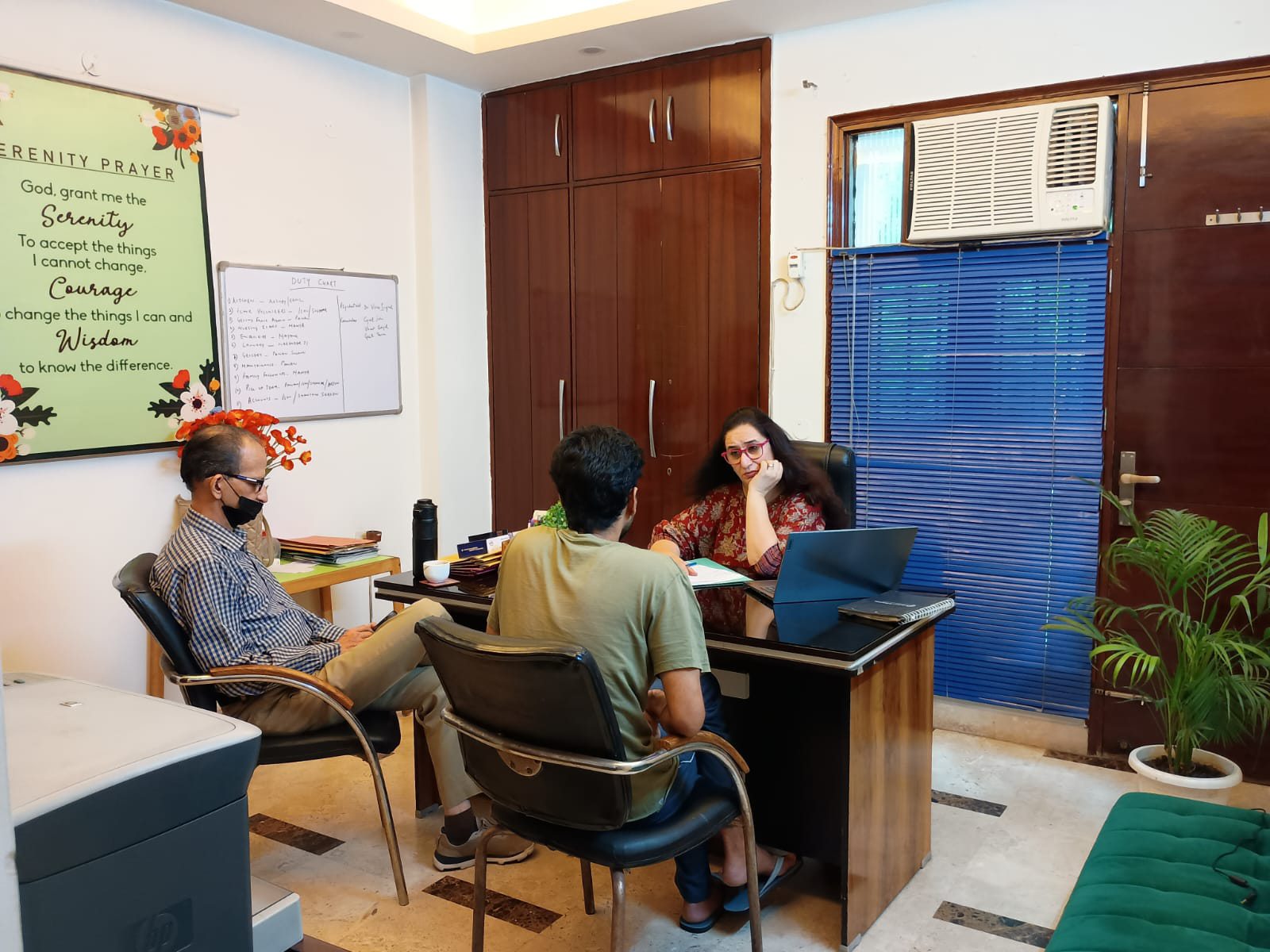
Staff Qualifications and Professional Supervision
The centre reports over 30 years of combined staff experience. Families should also request details of the professionals involved, their qualifications, relevant registrations, and the arrangements for medical supervision and referrals.
Addiction Specialists, Therapists & Recovery Experts

Ms. Geeta Tewari
Founder · Managing Trustee

Dr. Vikas Singhal
Psychiatrist

Muskaan Trikha
RCI registered Clinical Psychologist
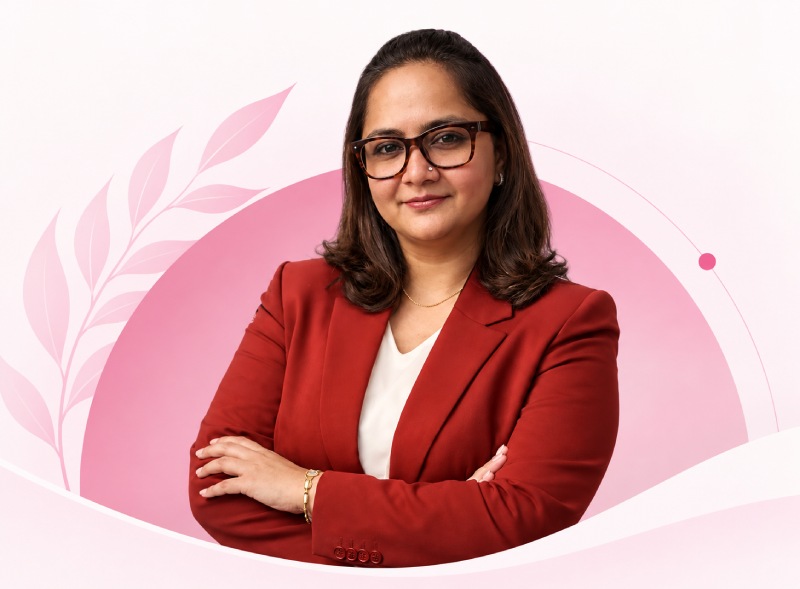
Shreya Sarkar
Mental health professional and holistic wellness practitioner
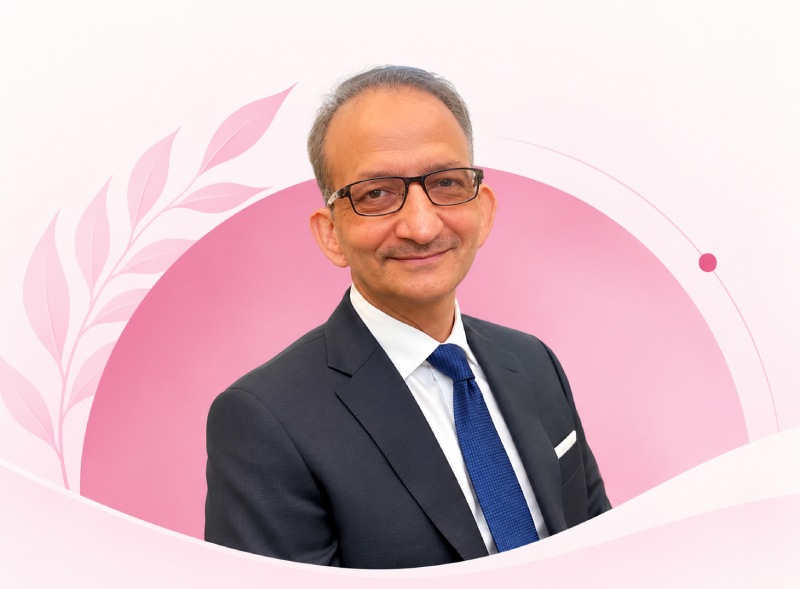
Mr. Vineet Sehgal
Senior Counselling Psychologist
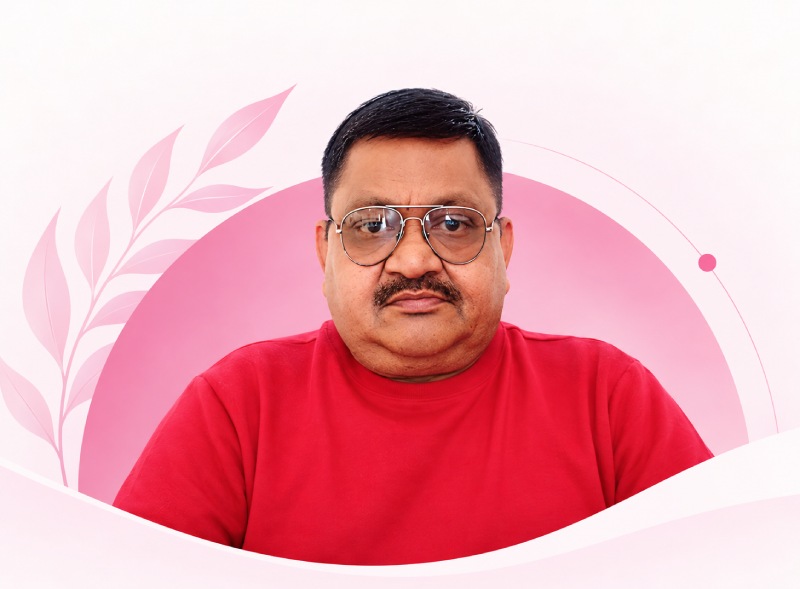
Mr. Cyril John
Visiting Counsellor
How to Begin Cocaine Addiction Treatment at SimranShri
Understanding the admission process can help individuals and families prepare for the next steps.
Step 1: Make a Confidential Enquiry
Step 2: Complete the Assessment
The centre describes an assessment process that considers substance use, health history, withdrawal or stabilisation needs, psychiatric concerns, and family circumstances.
The assessment helps determine whether residential treatment, outpatient support, or another pathway may be appropriate.
Step 3: Discuss Admission Arrangements
The team can explain the available programme, documents, accommodation, costs, travel arrangements, and expected admission timeline.
SimranShri’s published admission information states that planned admissions typically take place within 24–48 hours after the initial call and assessment, depending on individual circumstances and logistics. Confirm current availability directly.
Step 4: Begin the Treatment Programme
Following admission, the centre describes on-site assessment, orientation, stabilisation, and the introduction of a structured treatment plan.
The actual plan should reflect the individual’s assessed needs and the services available.
Step 5: Plan for Continued Recovery
Before discharge, ask about follow-up counselling, relapse-prevention planning, family involvement, and the duration of aftercare.
Read the SimranShri admission process for further details.
A Structured Daily Routine Supporting Addiction Recovery
| Time | Alcohol Recovery & Wellness Focus |
|---|---|
| 6:30 AM | Gentle awakening and hydration recovery |
| 7:00 AM | Mindfulness, yoga, or light movement therapy |
| 8:00 AM | Nutritional breakfast supporting detox recovery |
| 9:30 AM | Individual addiction therapy and counselling |
| 11:30 AM | Group recovery sessions and psychoeducation |
| 1:00 PM | Structured lunch and restorative downtime |
| 3:00 PM | Wellness activities, fitness, or emotional processing |
| 5:00 PM | Relapse prevention and coping strategy work |
| 7:00 PM | Supportive communal dinner and peer connection |
| 8:30 PM | Evening reflection and sleep recovery preparation |
Evidence-Based Addiction Treatment & Recovery Therapies
Core Alcohol Recovery Therapies
| Therapeutic Framework | Purpose | Frequency |
|---|---|---|
| Cognitive Behavioral Therapy (CBT) | Identify triggers and restructure addictive thought patterns | 3x weekly |
| Relapse Prevention Therapy | Build emotional coping strategies and sobriety planning | Weekly |
| Trauma-Informed Counselling | Address emotional pain linked to addiction | Weekly |
| Group Recovery Therapy | Strengthen accountability and peer support | 3x weekly |
| Family Counselling | Rebuild communication and trust systems | Bi-weekly |
| Psychiatric Support & Medication Management | Stabilize mood, anxiety, and withdrawal symptoms | As prescribed |
Holistic Sobriety & Lifestyle Rehabilitation
Emotional Regulation & Stress Management
Helping individuals manage emotional triggers, stress, and psychological discomfort without relying on alcohol.Mindfulness & Craving Awareness Training
Improving emotional awareness, impulse control, and craving management during long-term sobriety recovery.Physical Wellness & Nervous System Recovery
Supporting sleep quality, liver recovery, energy restoration, nervous system healing, and healthy lifestyle rebuilding.Cocaine Addiction Treatment Fees
The cost of treatment can depend on the programme duration, accommodation, individual clinical needs, co-occurring conditions, and continuing support.
SimranShri provides a cost of rehabilitation guide explaining the factors that influence its residential rehabilitation fees.
The centre does not provide one fixed residential price on that page. Families can request a current quotation after discussing the individual’s requirements with the admissions team.
Before admission, clarify:
- The total quoted fee and programme duration.
- The services and accommodation included.
- Any additional medical, diagnostic, or specialist charges.
- Family therapy and aftercare arrangements.
- Payment timelines and applicable policies.
- Travel or pickup costs, where relevant.
Transparent cost information helps families compare treatment options and understand their financial commitments before admission.
Location and Service Coverage
SimranShri Rehabilitation Centre’s physical facility is located at:
A-46, Block A, Sector 92, Noida, Uttar Pradesh 201304, India.
The centre serves families across Delhi NCR and North India. People searching for cocaine addiction treatment in Delhi can contact the admissions team to discuss residential treatment at the Noida facility and the arrangements available for their location.
Phone: +91 9958024680
Email: help@simranshrirehab.com
Directions: View the facility on Google Maps
Transparent Addiction Recovery Outcomes & Clinical Support
83%
Verified addiction recovery assessments
2,000+
Families Treated
4.9/5
Facility Trust Score
2:1
Clinical Oversight Ratio
Frequently Asked Questions About Cocaine Addiction Treatment in Delhi
Where can I find cocaine addiction treatment in Delhi?
SimranShri Rehabilitation Centre provides cocaine addiction treatment from its residential facility in Sector 92, Noida, serving families from Delhi NCR and North India. Contact the centre to discuss the available programme and admission requirements.
What are the signs of cocaine addiction?
How is cocaine addiction treated?
Does SimranShri offer cocaine addiction treatment?
Is cocaine withdrawal dangerous?
How long does cocaine addiction treatment take?
Does the centre provide counselling?
Can family members participate in treatment?
How much does cocaine addiction treatment cost?
Fees depend on programme duration, accommodation, clinical needs, and other arrangements. Review the rehabilitation cost guide and request a current quotation.
Is admission confidential?
SimranShri offers a confidential admission process. Ask the team about its privacy practices and the circumstances in which information may need to be shared.
How can I arrange admission from Delhi?
Call +91 9958024680 to discuss the initial assessment, available services, travel arrangements, and admission requirements. The residential facility is located in Sector 92, Noida.
Does treatment include aftercare?
How can I contact SimranShri Rehabilitation Centre?
Call +91 9958024680 or email help@simranshrirehab.com. You can also visit the official contact page.
Contact SimranShri Rehabilitation Centre
SimranShri Rehabilitation Centre, founded by Ms. Geeta Tewari, reports eight years of centre experience, more than 30 years of combined staff experience, and support for over 2,000 families across North India.
If you are looking for cocaine addiction treatment in Delhi, contact the centre to discuss the services provided at its Noida facility and determine the next steps appropriate to your situation.
Full address
SimranShri Rehabilitation Centre
A-46, Sector 92
Noida, Uttar Pradesh 201304
India
Hours
Admissions desk — 24 hours, 7 days
Office & visits — 9:00 AM to 8:00 PM
Getting here
Pickup is coordinated across Delhi NCR as part of admission. If driving: Sector 92 is accessible via the Noida-Greater Noida Expressway and FNG Expressway. Free parking available on-site.
Useful next pages for Delhi families.
Talk to admissions before the situation escalates.
The call is confidential. The team will explain clinical fit, admission timing, cost, travel, documents, and family involvement.