Drug Addiction Treatment in Greater Noida – SimranShri Rehabilitation Centre
Looking for professional support for drug addiction in Greater Noida for yourself or a loved one? SimranShri Rehabilitation Centre provides drug addiction treatment and rehabilitation support for individuals experiencing substance-use difficulties.
Founded by Ms. Geeta Tewari, SimranShri Rehabilitation Centre reports eight years of centre experience, over 30 years of combined staff experience, and support for more than 2,000 families across North India. The centre identifies itself as government-approved and offers a confidential admission process.
Its published services include drug addiction treatment, detox and withdrawal management, de-addiction counselling, family therapy, relapse prevention, and aftercare.
The physical facility is located at A-46, Block A, Sector 92, Noida, Uttar Pradesh 201304. The centre accepts enquiries from Greater Noida, Noida, Delhi NCR, and other parts of North India.
Our Address
A-46, Sector 92
Noida, Uttar Pradesh
201304
Admission enquiries: +91 9958024680
Directions: Find SimranShri Rehabilitation Centre
Inside Our Rehabilitation Centre
Our drug addiction centre in Noida focuses on long-term recovery through structured routines, therapeutic activities, and continuous medical supervision.
About SimranShri Rehabilitation Centre
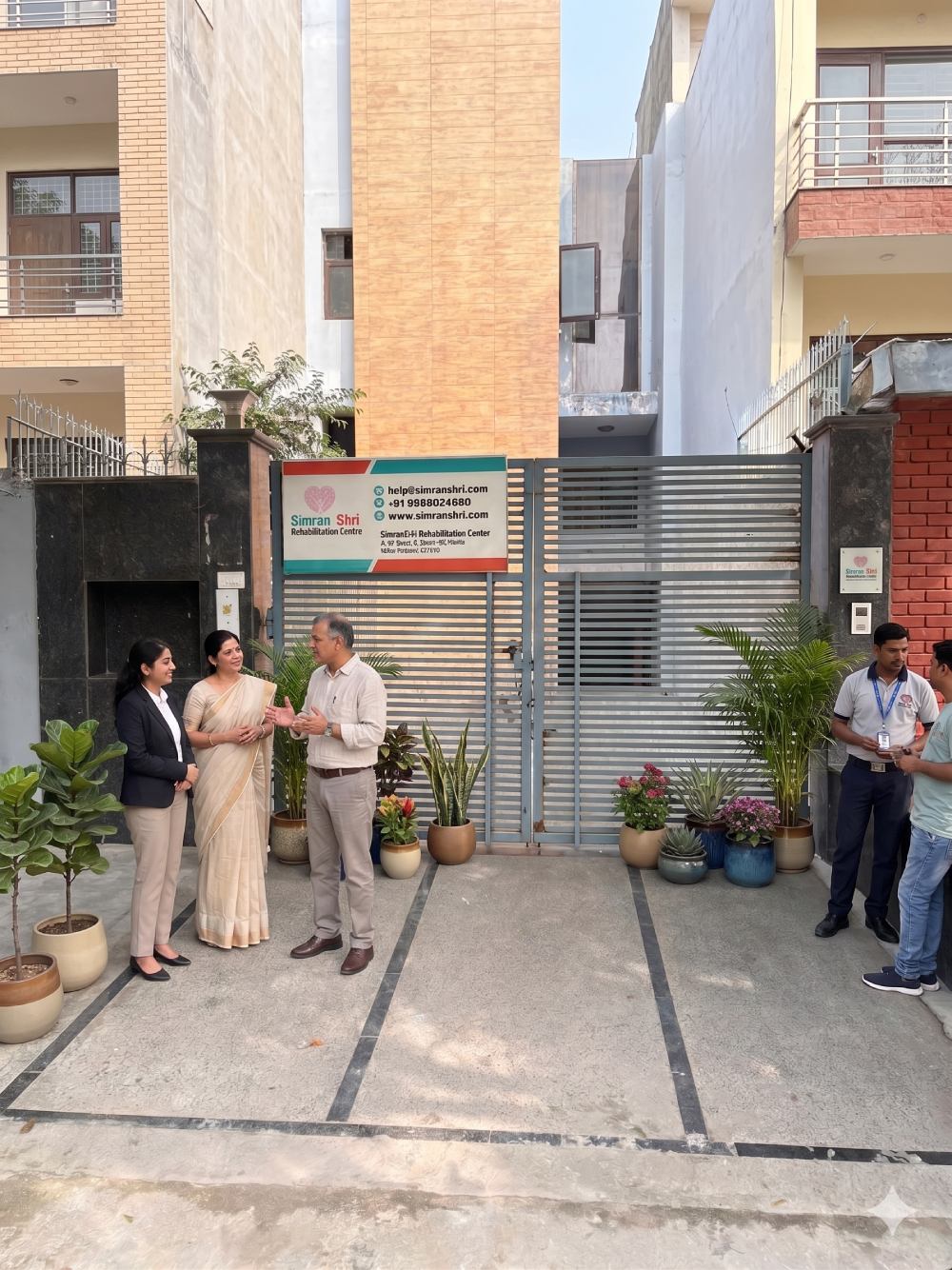
SimranShri Rehabilitation Centre was founded by Ms. Geeta Tewari to support individuals and families navigating addiction and rehabilitation.
The centre reports eight years of experience, with staff bringing over 30 years of combined experience. It also reports having supported more than 2,000 families across North India.
SimranShri identifies itself as government-approved. Families can request the applicable approval or registration details to understand the issuing authority, validity, and scope.
The centre offers a confidential admission process to help individuals and families understand the available services and practical steps involved in seeking rehabilitation.
Why Consider SimranShri Rehabilitation Centre?
Experienced Organisation
SimranShri Rehabilitation Centre reports eight years of centre experience. Families can ask about the centre's history and the services available for their particular circumstances.
Experienced staff
The centre reports over 30 years of combined staff experience. Prospective clients should request relevant details about staff roles, qualifications, professional registrations, and responsibilities.
Government-approved status
The centre identifies itself as government-approved. Families can request the applicable approval or registration information and verify the issuing authority, validity, and scope.
Support for More Than 2,000 Families
SimranShri reports having supported more than 2,000 families across North India. This is a centre-reported figure and should not be interpreted as a guarantee of recovery outcomes.
Confidential Admission
The centre offers a confidential admission process. Individuals and families can discuss available services, assessment requirements, admission procedures, and costs before deciding whether to proceed.
Location Serving Greater Noida
The physical facility is in Sector 92, Noida. The centre accepts enquiries from Greater Noida and other parts of Delhi NCR, with admission and travel arrangements confirmed individually.
Understanding Drug Addiction
Drug addiction is a complex health concern that can affect physical well-being, emotional health, relationships, work, education, and everyday responsibilities. Repeated substance use can become difficult to control, even when a person experiences negative consequences.
The substances involved and the effects on an individual can vary considerably. Some people may experience cravings, difficulty reducing their use, withdrawal symptoms, or repeated attempts to stop.
Drug addiction is not simply a matter of willpower. Appropriate assessment and treatment can help individuals understand their circumstances and explore suitable support options.
SimranShri Rehabilitation Centre lists drug addiction treatment among its rehabilitation services. Families considering treatment can enquire about the centre’s assessment process, available programmes, professional involvement, and continuing support.
Signs That Someone May Need Drug Addiction Treatment
Recognising changes in behaviour, health, and everyday functioning may help families identify when professional guidance is needed.
Possible warning signs include:
- Difficulty controlling or reducing substance use.
- Strong cravings or persistent thoughts about obtaining a substance.
- Continuing substance use despite health, family, financial, or work-related problems.
- Withdrawal symptoms when reducing or stopping certain substances.
- Increasing isolation or changes in daily routines.
- Repeated unsuccessful attempts to stop using substances.
- Neglecting responsibilities or activities that were previously important.
These signs do not establish a diagnosis on their own. A qualified healthcare professional can assess the person’s circumstances and help determine what support may be appropriate.
If someone is unconscious, having a seizure, experiencing severe breathing difficulties, or showing other signs of a medical emergency, seek emergency medical assistance immediately.
Drug Addiction Treatment in Greater Noida
Drug addiction treatment should be based on the substance involved, the pattern of use, the person’s physical and mental health, withdrawal risks, and individual support needs.
SimranShri Rehabilitation Centre lists drug addiction treatment as part of its residential rehabilitation services.
Depending on an individual’s assessment, treatment planning may involve the following components.

Initial Assessment
An assessment helps establish the person’s substance-use history, current concerns, relevant medical history, previous treatment experiences, and potential withdrawal risks.
Families can ask who conducts the assessment, what qualifications the professionals hold, and how the findings influence treatment recommendations.

Detox and Withdrawal Management
Some substances can cause withdrawal symptoms when use is reduced or stopped. The nature and severity of withdrawal vary by substance and individual circumstances.
Medical assessment helps determine whether supervised withdrawal management is needed and what monitoring or treatment may be appropriate.
Families should confirm the centre’s medical supervision arrangements, emergency procedures, and access to higher-level medical care where required.

De-Addiction Counselling
Counselling can help individuals understand substance-use patterns, identify personal challenges, develop coping strategies, and work towards recovery goals.
The specific counselling methods, frequency of sessions, and professionals involved should be confirmed with the centre.

Family Involvement
Addiction can affect the wider family through stress, communication difficulties, and uncertainty about how to provide support.
Where appropriate and with due regard for consent and privacy, family support may help relatives understand the recovery process and discuss practical ways to support the individual.
Relapse Prevention and Aftercare
Continuing support can help individuals identify high-risk situations, develop coping strategies, and plan for life after a rehabilitation programme.
SimranShri lists relapse prevention and aftercare among its services. Families should ask about the current aftercare arrangements, duration, and services included in the proposed programme.
Drug Withdrawal and Detoxification: What Families Should Know
Withdrawal management is an important consideration when planning treatment for drug addiction. However, withdrawal symptoms and risks differ according to the substance involved.
For example, withdrawal from opioids may involve significant physical discomfort and other complications, while withdrawal from sedatives such as benzodiazepines can sometimes be medically dangerous. The effects of stopping stimulants or other substances may differ again.
People should not attempt to manage potentially serious withdrawal symptoms without appropriate medical guidance.
Before admission, families should ask:
- Which professionals assess withdrawal risks?
- What medical monitoring is available?
- How are withdrawal symptoms managed?
- What happens if the person develops complications?
- Is referral to a hospital or specialist service available when needed?
- What treatment follows the initial withdrawal-management stage?
Detoxification addresses the immediate effects of stopping or reducing substance use. It does not necessarily address the behavioural, psychological, and social factors associated with addiction. Appropriate ongoing treatment may also be required.
Types of Drug Addiction and Treatment Considerations
Different substances can involve different health risks and treatment requirements. An appropriate assessment should guide the treatment pathway.
Prescription Drug Dependence
Some prescription medicines can cause dependence when used in ways that lead to problematic use. These may include certain opioid pain medicines, sedatives, and anti-anxiety medications.
Anyone concerned about dependence on prescribed medication should seek professional medical advice. Some medicines require gradual dose reduction under supervision rather than abrupt discontinuation.
Opioid and Heroin Dependence
Opioids, including heroin and certain prescription medicines, can cause dependence and potentially serious health risks.
Treatment options depend on the person’s circumstances and may include medically appropriate withdrawal management, evidence-based treatment, counselling, and continuing support.
Families should ask whether the centre offers the specific services required or whether referral to another qualified provider is necessary.
Cocaine and Stimulant Use
Cocaine and other stimulants can affect mood, sleep, physical health, and everyday functioning. Treatment may involve assessment, counselling, strategies for managing cravings, and support to reduce the risk of returning to substance use.
SimranShri lists cocaine addiction treatment among its services. Contact the admissions team to confirm the available treatment options and assessment requirements.
Multiple Substance Use
Some individuals use more than one substance. This can make assessment and treatment planning more complex, particularly when the substances interact or have different withdrawal risks.
Families should disclose relevant substance-use and medication information to the healthcare professionals responsible for the assessment.
The treatment plan should reflect the person’s actual circumstances rather than assume that every substance-use concern requires the same programme.
De-Addiction Counselling and Psychological Support
Drug addiction can involve cravings, stress, emotional difficulties, social pressures, and patterns of behaviour that are challenging to change.
De-addiction counselling may help individuals explore these concerns, identify situations associated with substance use, and develop practical coping strategies.
SimranShri Rehabilitation Centre lists de-addiction counselling among its services.
Depending on the services available and the individual’s needs, counselling may address:
- Understanding personal substance-use patterns.
- Recognising triggers and high-risk situations.
- Developing healthier coping strategies.
- Strengthening motivation for change.
- Managing stress and emotional challenges.
- Establishing realistic recovery goals.
- Planning for ongoing support after treatment.
Ask the centre about the counselling approaches used, the qualifications of the professionals involved, session arrangements, and how progress is reviewed.
Family Therapy for Drug Addiction
Drug addiction can affect parents, partners, children, and other family members. Relatives may experience worry, frustration, communication difficulties, and uncertainty about how to help.
SimranShri Rehabilitation Centre lists family therapy among its services.
Where appropriate, family therapy may help participants improve communication, understand addiction-related challenges, discuss boundaries, and consider practical ways to support recovery.
The centre’s published cost guide describes weekly family sessions during residential treatment, including remote participation for families who cannot attend in person. Families should confirm the current arrangements, eligibility, and applicable fees.
Family participation should respect the individual’s consent, privacy, and treatment needs.
Relapse Prevention and Long-Term Recovery
Completing an initial treatment programme does not mean that every challenge associated with addiction has ended. Continuing support may be important as individuals return to everyday routines, relationships, education, or work.
Relapse prevention focuses on recognising warning signs, identifying high-risk situations, and developing strategies for responding to challenges.
SimranShri Rehabilitation Centre lists relapse prevention and aftercare among its services.
Depending on the individual’s needs and the programme available, ongoing support may involve:
- Identifying personal triggers and warning signs.
- Developing practical coping strategies.
- Maintaining healthy daily routines.
- Accessing appropriate counselling.
- Involving family members where suitable.
- Planning follow-up support and referrals.
- Seeking additional professional help when difficulties arise.
Recovery experiences vary. A return to substance use does not mean that further treatment cannot help. Treatment and aftercare needs should be reviewed according to the person’s circumstances.
Rehabilitation Facilities and Living Arrangements
The physical environment, accommodation, privacy, and support arrangements are important considerations when choosing a Nasha Mukti Kendra in Noida.
SimranShri’s published facilities page describes its residential environment.
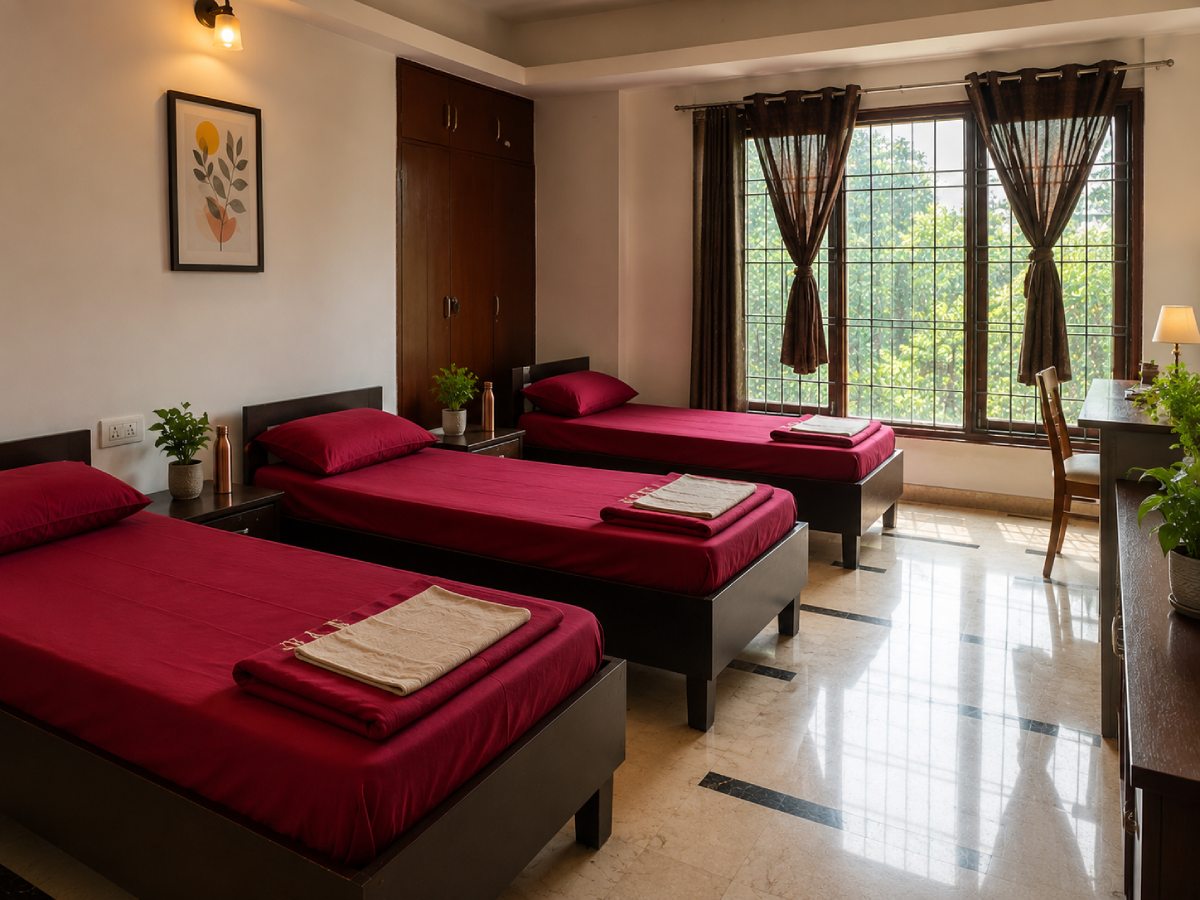
Residential Accommodation
The facilities information describes private and shared room options. Families can ask about current availability, room arrangements, included amenities, accessibility, and differences in cost.
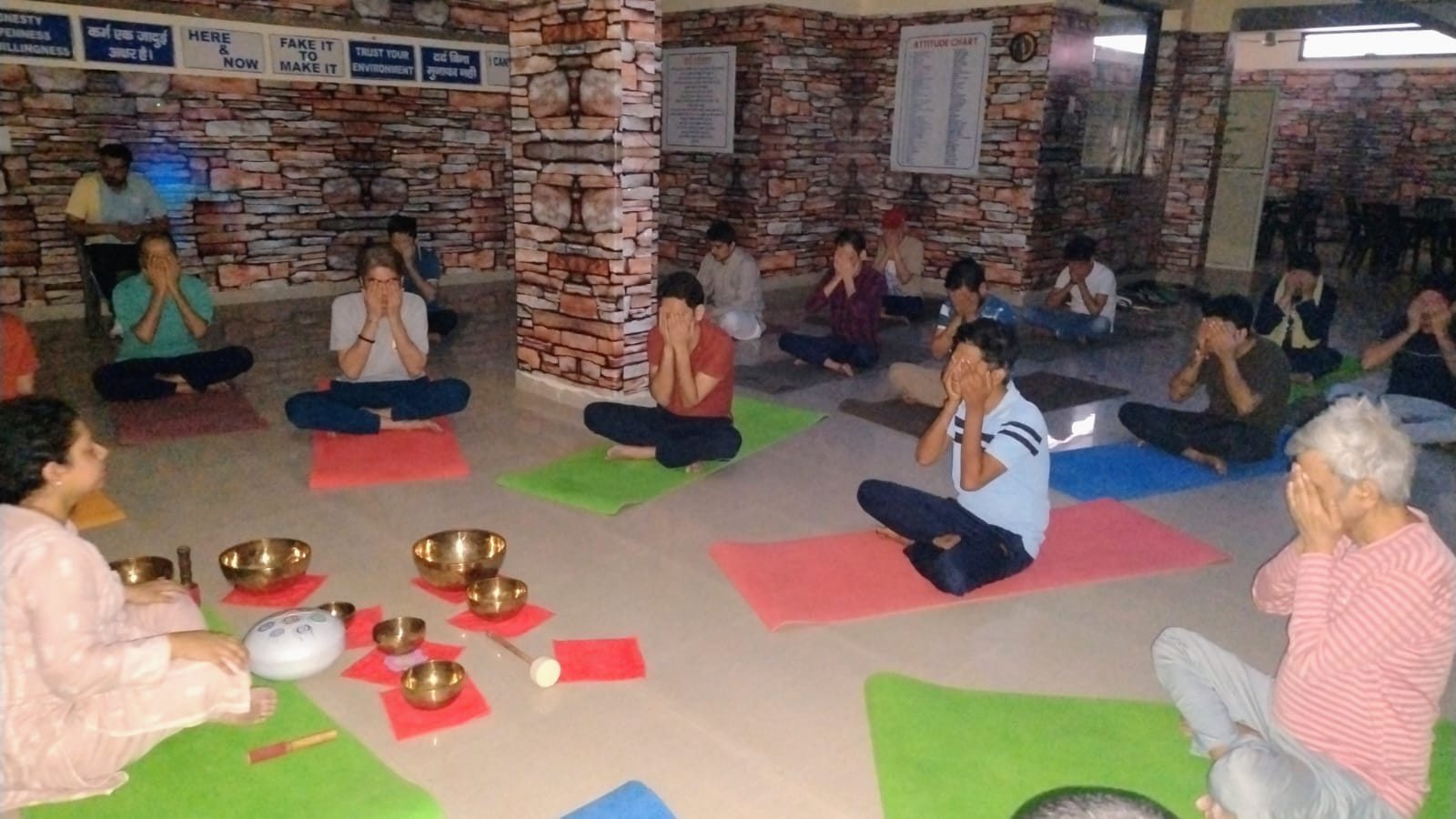
Counselling and Therapy Spaces
Ask about the facilities available for individual counselling, family sessions, group activities, and other programme components. The admissions team can explain which activities are available and how they fit into the treatment programme.
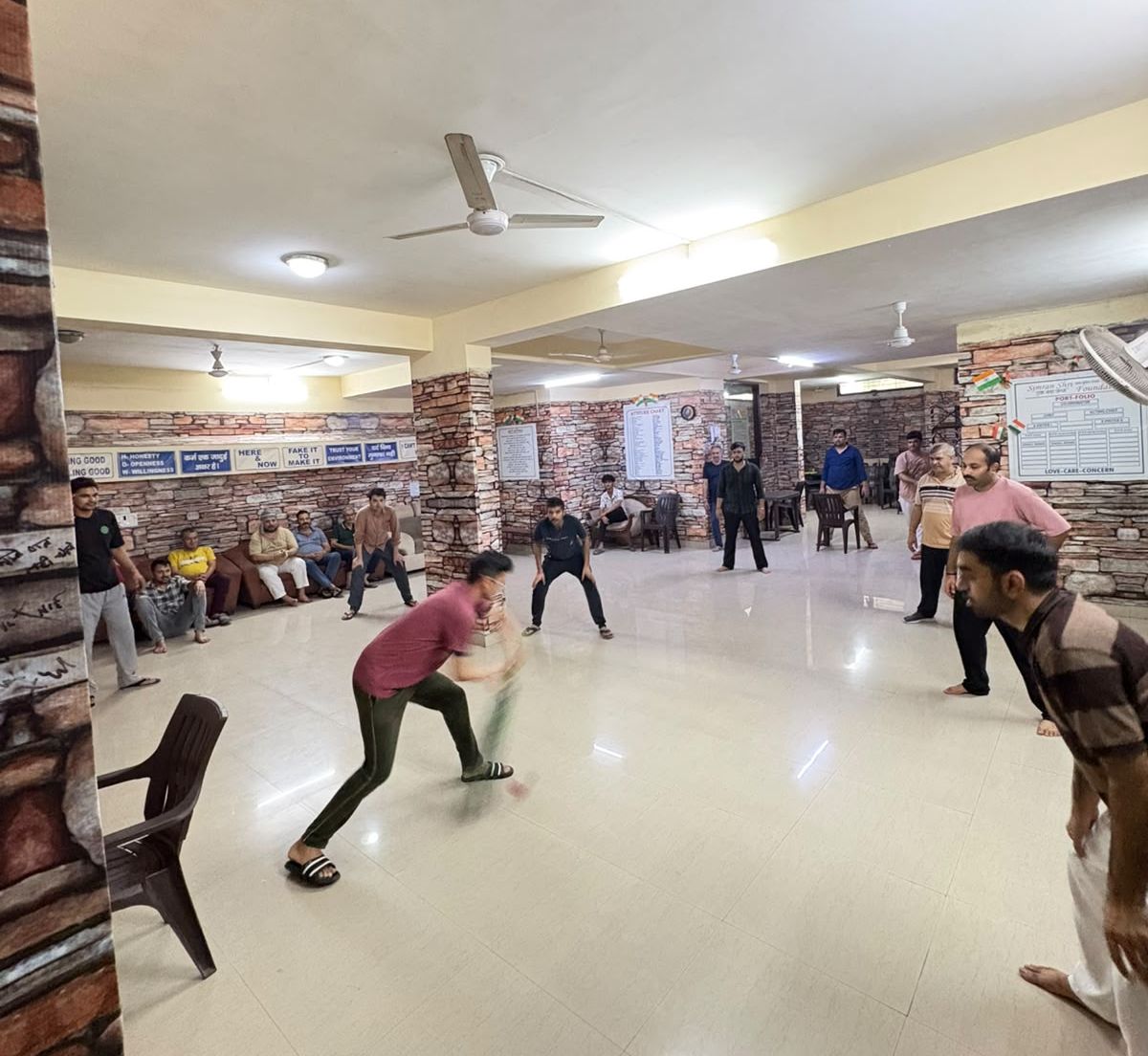
Daily Routine and Recovery Environment
A structured daily routine may include treatment activities, counselling, rest, and other programme components. Request a current sample schedule and confirm which activities are included in the programme being considered.
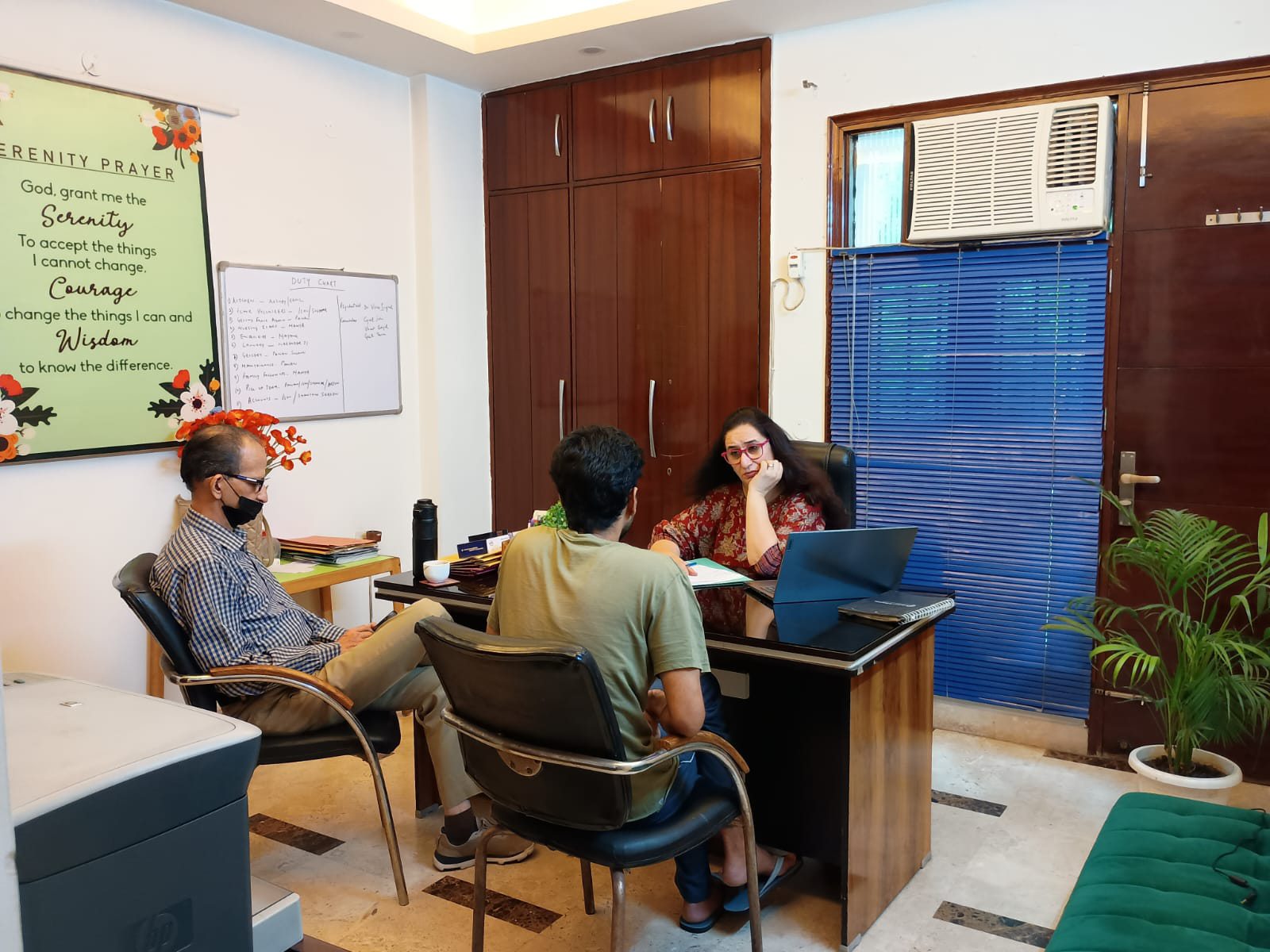
Staff Qualifications and Professional Supervision
The centre reports over 30 years of combined staff experience. Families should also request details of the professionals involved, their qualifications, relevant registrations, and the arrangements for medical supervision and referrals.
Addiction Specialists, Therapists & Recovery Experts

Ms. Geeta Tewari
Founder · Managing Trustee
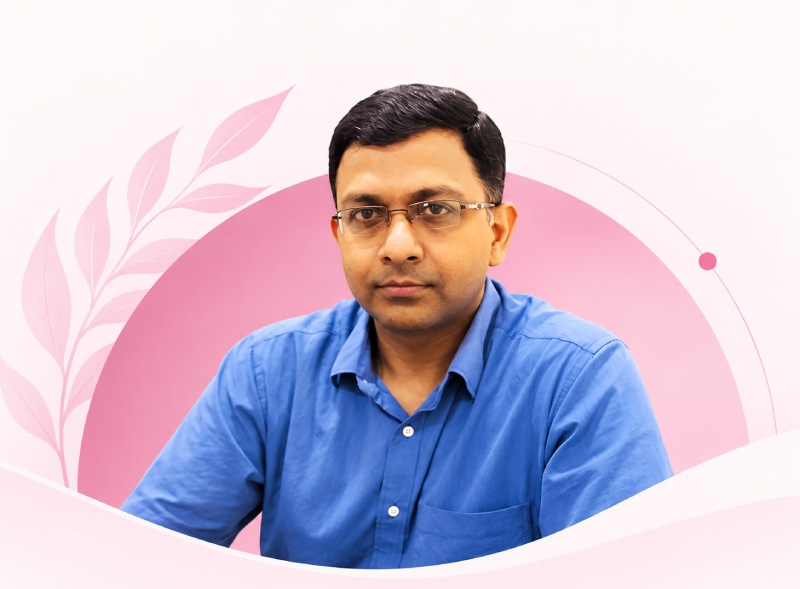
Dr. Vikas Singhal
Psychiatrist

Muskaan Trikha
RCI registered Clinical Psychologist
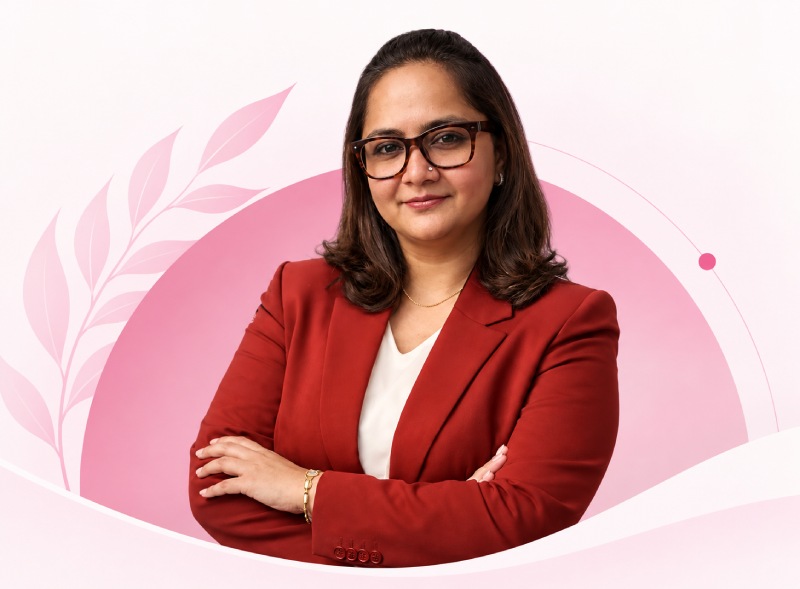
Shreya Sarkar
Mental health professional and holistic wellness practitioner
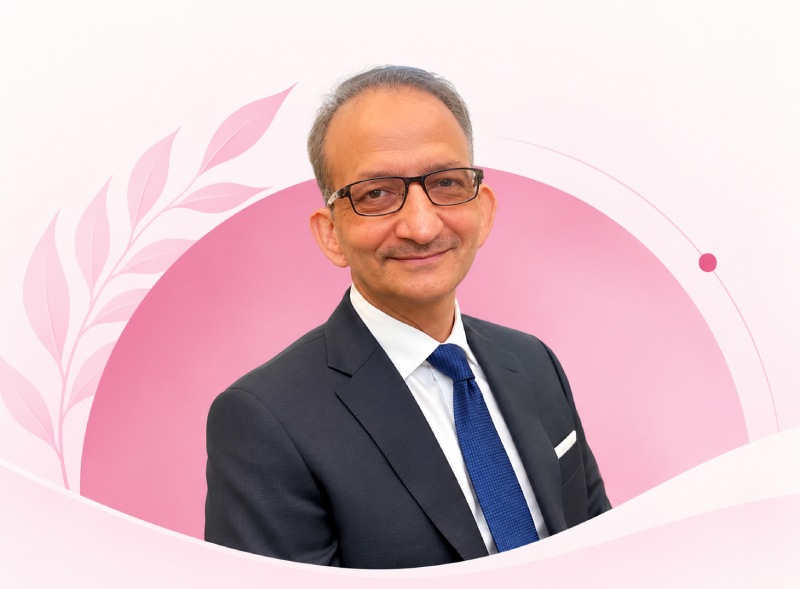
Mr. Vineet Sehgal
Senior Counselling Psychologist
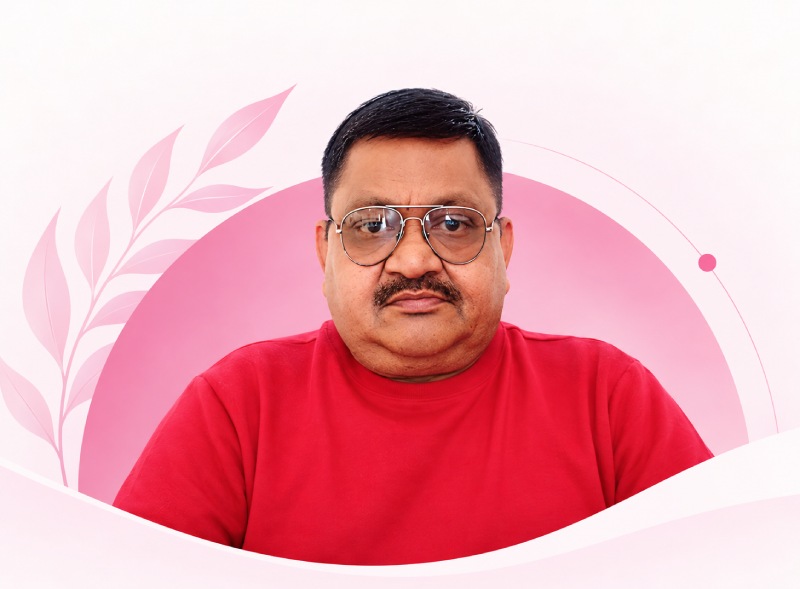
Mr. Cyril John
Visiting Counsellor
Drug Addiction Treatment Admission Process
Understanding the admission process can help families prepare and make informed decisions.
SimranShri Rehabilitation Centre describes a process that begins with an initial call and assessment, followed by admission planning and the start of treatment.
Step 1: Initial Enquiry
Call +91 9958024680 to discuss the situation with the admissions team.
The initial discussion can cover the substance involved, current concerns, health history, urgency, and the available treatment options.
Step 2: Assessment
The centre describes an assessment process that considers substance-use history, withdrawal risks, co-occurring health concerns, and family circumstances.
The assessment helps determine which treatment pathway may be suitable. The exact recommendations depend on individual needs.
Step 3: Admission Planning
The team explains practical arrangements, required documents, fees, what to bring, and relevant family communication procedures.
The centre’s published admission information states that planned admissions typically take place within 24–48 hours after the initial call and assessment, subject to individual circumstances and arrangements. Contact the centre to confirm current availability.
Step 4: Admission and Treatment Planning
After arrival, the centre describes an on-site assessment, orientation, and the beginning of the individual’s treatment and stabilisation plan.
Families should ask about consent, clinical supervision, safety arrangements, and how treatment progress is reviewed.
Step 5: Continuing Support
The centre lists relapse prevention and aftercare among its services. Before admission, confirm the specific follow-up arrangements, duration, and any applicable charges.
Read the SimranShri admission process for further details.
A Structured Daily Routine Supporting Addiction Recovery
| Time | Alcohol Recovery & Wellness Focus |
|---|---|
| 6:30 AM | Gentle awakening and hydration recovery |
| 7:00 AM | Mindfulness, yoga, or light movement therapy |
| 8:00 AM | Nutritional breakfast supporting detox recovery |
| 9:30 AM | Individual addiction therapy and counselling |
| 11:30 AM | Group recovery sessions and psychoeducation |
| 1:00 PM | Structured lunch and restorative downtime |
| 3:00 PM | Wellness activities, fitness, or emotional processing |
| 5:00 PM | Relapse prevention and coping strategy work |
| 7:00 PM | Supportive communal dinner and peer connection |
| 8:30 PM | Evening reflection and sleep recovery preparation |
Evidence-Based Addiction Treatment & Recovery Therapies
Core Alcohol Recovery Therapies
| Therapeutic Framework | Purpose | Frequency |
|---|---|---|
| Cognitive Behavioral Therapy (CBT) | Identify triggers and restructure addictive thought patterns | 3x weekly |
| Relapse Prevention Therapy | Build emotional coping strategies and sobriety planning | Weekly |
| Trauma-Informed Counselling | Address emotional pain linked to addiction | Weekly |
| Group Recovery Therapy | Strengthen accountability and peer support | 3x weekly |
| Family Counselling | Rebuild communication and trust systems | Bi-weekly |
| Psychiatric Support & Medication Management | Stabilize mood, anxiety, and withdrawal symptoms | As prescribed |
Holistic Sobriety & Lifestyle Rehabilitation
Emotional Regulation & Stress Management
Helping individuals manage emotional triggers, stress, and psychological discomfort without relying on alcohol.Mindfulness & Craving Awareness Training
Improving emotional awareness, impulse control, and craving management during long-term sobriety recovery.Physical Wellness & Nervous System Recovery
Supporting sleep quality, liver recovery, energy restoration, nervous system healing, and healthy lifestyle rebuilding.Drug Addiction Treatment Fees
The cost of drug addiction treatment can vary according to the recommended programme, treatment duration, accommodation, clinical requirements, and continuing support.
SimranShri Rehabilitation Centre provides a rehabilitation cost guide explaining the factors that influence residential rehabilitation fees.
The centre’s published cost guide does not provide one fixed residential treatment price. Families can request an individual quotation following an initial discussion and assessment.
What Can Affect Treatment Costs?
- The substance involved and complexity of the person’s needs.
- The recommended programme duration.
- Private or shared accommodation.
- Co-occurring health conditions and additional clinical requirements.
- Specialist consultations or diagnostic investigations.
- The services and aftercare included in the programme.
Before admission, request a written breakdown of the fees, included services, exclusions, any additional medical or diagnostic charges, payment arrangements, and pickup costs where applicable.
For a current quotation, call +91 9958024680 or visit the cost of rehabilitation guide.
Drug Addiction Treatment Near Greater Noida
SimranShri Rehabilitation Centre is located at:
A-46, Block A, Sector 92, Noida, Uttar Pradesh 201304, India.
The centre accepts enquiries from Greater Noida, Noida, Delhi NCR, and other parts of North India.
People searching for drug addiction treatment in Greater Noida should confirm the physical location, available services, admission requirements, and travel arrangements before making a decision.
Phone: +91 9958024680
Email: help@simranshrirehab.com
Admission enquiries: +91 9958024680
Directions: Find SimranShri Rehabilitation Centre
For information about the facility and enquiry arrangements, visit the contact page.
Transparent Addiction Recovery Outcomes & Clinical Support
83%
Verified addiction recovery assessments
2,000+
Families Treated
4.9/5
Facility Trust Score
2:1
Clinical Oversight Ratio
Frequently Asked Questions About Drug Addiction in Greater Noida
Where can I find drug addiction treatment near Greater Noida?
What drug addiction treatment services does SimranShri offer?
How do I know if someone needs drug addiction treatment?
Is detoxification enough to treat drug addiction?
Is drug withdrawal dangerous?
Withdrawal risks depend on the substance, the person’s health, and the pattern of use. Withdrawal from certain substances, including some sedatives, can be medically dangerous. Seek professional medical advice about withdrawal management rather than attempting to manage potentially serious symptoms without appropriate care.
Does SimranShri offer counselling for drug addiction?
Yes. De-addiction counselling is listed among the centre’s services. Contact the admissions team to ask about the available counselling approaches, professional qualifications, and session arrangements.
Does the centre provide family therapy?
How quickly can admission happen?
The centre’s published admission information states that planned admissions typically take place within 24–48 hours after the initial call and assessment, subject to circumstances and availability. Contact the admissions team to confirm the current arrangements.
How much does drug addiction treatment cost?
Is admission confidential?
The centre describes its admission process as confidential. Ask about its privacy practices, information handling, who may access personal information, and any applicable limits to confidentiality.
Is SimranShri Rehabilitation Centre government-approved?
Who founded SimranShri Rehabilitation Centre?
Does SimranShri serve families from Greater Noida?
Yes. The centre accepts enquiries from Greater Noida and other parts of North India. Its physical facility is in Sector 92, Noida. Contact the admissions team to confirm treatment and travel arrangements.
Does the centre provide aftercare following rehabilitation?
How can I contact SimranShri Rehabilitation Centre?
Call +91 9958024680 or email help@simranshrirehab.com. You can also visit the contact page for the facility’s location and enquiry information.
Contact SimranShri Rehabilitation Centre
SimranShri Rehabilitation Centre, founded by Ms. Geeta Tewari, reports eight years of centre experience, over 30 years of combined staff experience, and support for more than 2,000 families across North India.
Full address
SimranShri Rehabilitation Centre
A-46, Sector 92
Noida, Uttar Pradesh 201304
India
Hours
Admissions desk — 24 hours, 7 days
Office & visits — 9:00 AM to 8:00 PM
Getting here
Pickup is coordinated across Delhi NCR as part of admission. If driving: Sector 92 is accessible via the Noida-Greater Noida Expressway and FNG Expressway. Free parking available on-site.
Useful next pages for Greater Noida families.
Talk to admissions before the situation escalates.
The call is confidential. The team will explain clinical fit, admission timing, cost, travel, documents, and family involvement.