Overcoming addiction is not only about stopping alcohol or drug use. The real challenge is learning how to live without depending on these substances. A person may stop using drugs or alcohol for a few days or weeks, but staying away from addiction for the long term requires proper treatment, emotional support, counselling and lifestyle changes.
This is why choosing the right Nasha Mukti Kendra is an important decision for individuals and their families. A professional treatment centre provides a structured environment where people can understand their addiction, work on its causes and develop healthier habits.
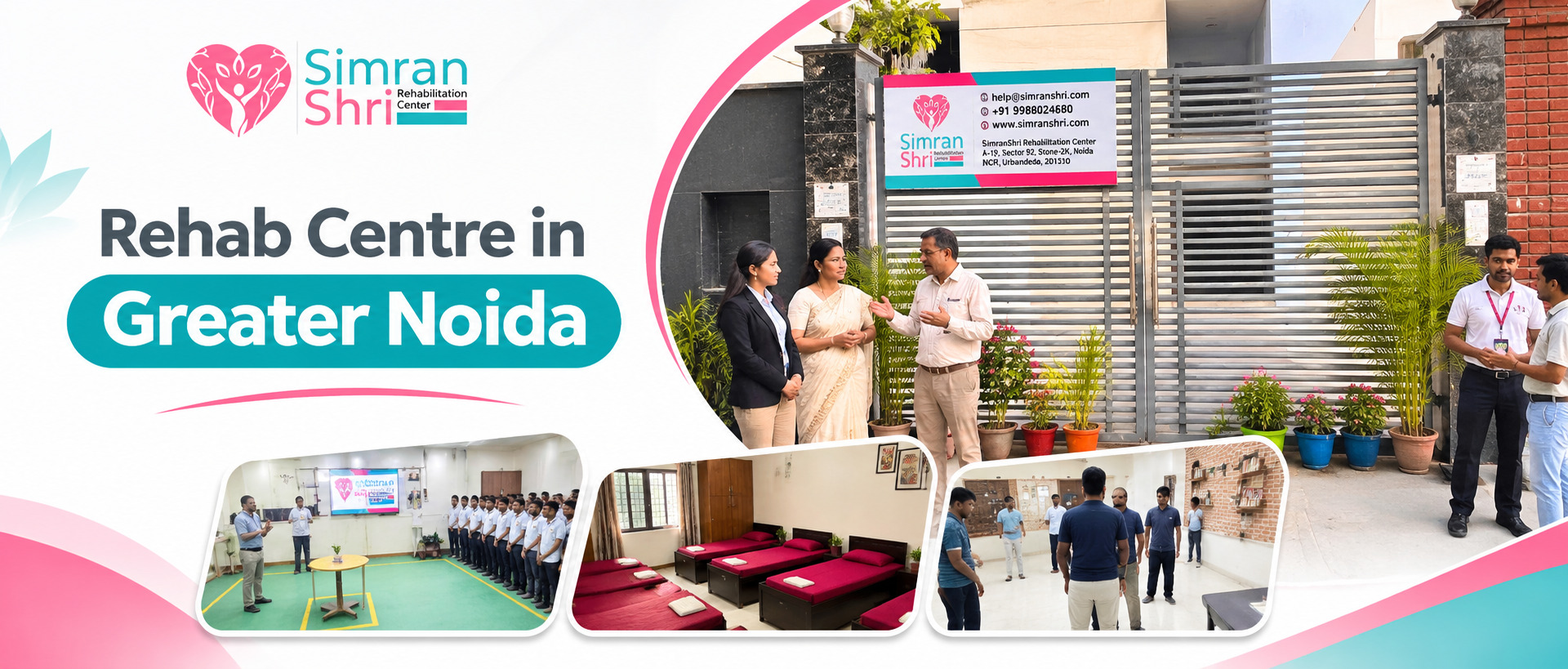
Located in Sector 92, Noida, SimranShri Rehabilitation Centre provides professional addiction recovery support for individuals and families across North India. Founded by Ms. Geeta Tewari, the government-approved centre has 8 years of experience and has supported more than 2,000 families. Its experienced team brings over 30 years of combined professional experience.
But what actually helps someone stay away from addiction after treatment? Let’s understand the important factors.
Why Is Staying Away from Addiction Difficult?
Addiction affects more than a person’s physical health. It can also affect thinking, emotions, relationships, work and daily responsibilities.
Some people start using alcohol or drugs because of stress, personal problems, social pressure or emotional difficulties. Over time, repeated substance use can affect the brain’s reward system and make it difficult to control cravings.
Common challenges include:
- Cravings: Strong urges to use alcohol or drugs again.
- Emotional stress: Difficulty managing anxiety, sadness or anger.
- Old habits: Returning to places, people or situations connected with substance use.
- Family problems: Relationship conflicts and a lack of emotional support.
- Social pressure: Being around people who encourage substance use.
A reliable Nasha Mukti Kendra helps individuals understand these challenges and learn practical ways to manage them.
What Really Helps a Person Stay Away from Addiction?
Long-term recovery requires more than temporary control. The following treatment and support methods can make a meaningful difference.
1. Medically Supervised Detox and Withdrawal Management
For people who have developed physical dependence on alcohol or drugs, stopping suddenly can sometimes cause serious withdrawal symptoms.
Alcohol withdrawal, in particular, can become medically dangerous and may involve seizures or delirium. Certain drug withdrawals also require professional medical attention.
Medically supervised detox helps manage withdrawal symptoms safely. Healthcare professionals assess the person’s condition and provide appropriate care according to individual needs.
However, detox is only the first stage of recovery. It does not address all the emotional, behavioural and psychological factors behind addiction.
2. Regular Counselling and Psychological Support
Counselling plays an important role in understanding why a person continues to use addictive substances.
A trained psychologist or counsellor helps individuals identify emotional triggers, negative thought patterns and behaviours connected with substance use.
Some helpful approaches include:
- Understanding personal triggers.
- Developing healthy coping skills.
- Improving emotional control.
- Building confidence and self-awareness.
- Learning how to handle difficult situations without using substances.
At a professional Nasha Mukti Kendra, counselling should be based on the individual’s condition, treatment needs and recovery progress.
3. Family Involvement During Recovery
Addiction can affect the entire family. Parents, spouses, children and other family members may experience stress, confusion and emotional difficulties.
Family therapy helps improve communication and rebuild trust. It also teaches family members how to support recovery without encouraging unhealthy behaviour.
Family members can help by:
- Providing emotional support without judgement.
- Avoiding blame and unnecessary arguments.
- Encouraging treatment and healthy routines.
- Understanding addiction as a condition that needs professional care.
- Recognising early signs of possible relapse.
Family participation can make the recovery journey more supportive and stable.
4. Identifying and Managing Relapse Triggers
Relapse means returning to substance use after a period of improvement or recovery. It does not mean that treatment has completely failed, but it does indicate that the recovery plan may need attention.
Some common relapse triggers include stress, loneliness, negative emotions, social pressure and contact with people associated with previous substance use.
A good Nasha Mukti Kendra helps individuals prepare for these situations.
A relapse prevention plan may include regular counselling, avoiding high-risk situations, maintaining healthy relationships and seeking professional help when cravings become difficult to manage.
5. Building a Healthy Daily Routine
A structured daily routine can help individuals develop stability and reduce the chances of returning to old habits.
Healthy recovery activities may include:
- Following a regular sleep schedule.
- Eating balanced meals.
- Participating in physical activities.
- Practising relaxation techniques.
- Spending time with supportive people.
- Developing hobbies and useful skills.
These habits support overall well-being and help individuals focus on their personal growth.
Choosing the Right Nasha Mukti Kendra in Noida
Selecting an addiction treatment centre requires careful consideration. Families should look beyond advertisements and understand what kind of professional support is actually available.
Before choosing a Nasha Mukti Kendra, consider the following factors:
1. Government Approval: Check the centre’s applicable registration, approvals and regulatory compliance. Do not rely only on promotional claims.
2. Qualified Professionals: Look for access to qualified psychiatrists, registered clinical psychologists and trained counselling professionals.
3. Individual Treatment Plans: Every person’s addiction history and recovery needs are different. Treatment should be planned accordingly.
4. Medical Support: Ask how medical assessments, detoxification and withdrawal complications are managed, including emergency referral arrangements.
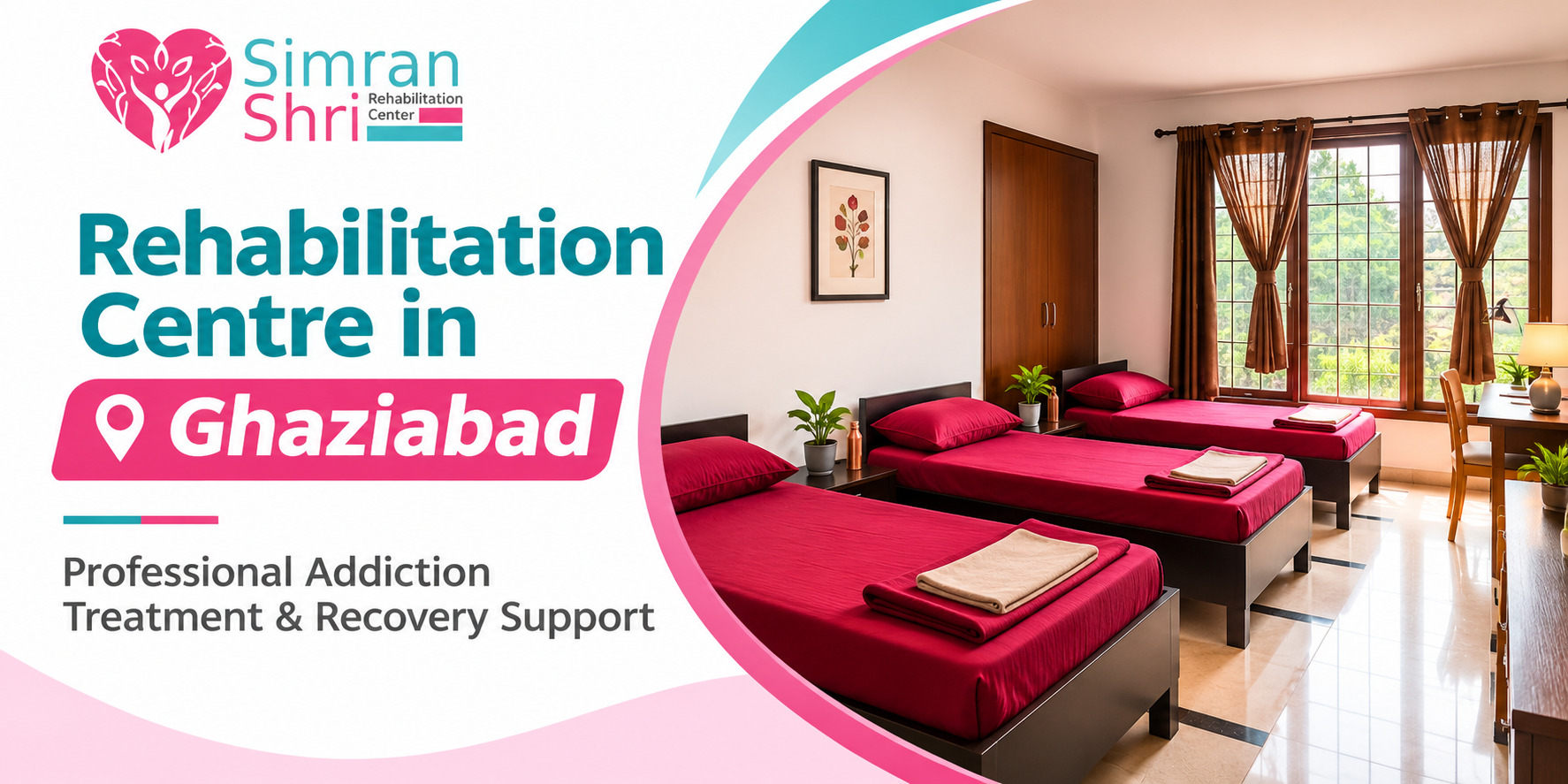
5. Safe Living Environment: Check cleanliness, hygiene, accommodation, food quality, privacy and general safety arrangements.
6. Confidential Admission: Personal and medical information should be handled responsibly, with appropriate consent and privacy safeguards.
7. Aftercare Support: Recovery support should continue after the main treatment period through follow-up counselling and relapse prevention.
Environmental and safety standards also matter. A responsible rehabilitation facility should maintain proper sanitation, waste disposal, fire safety and a clean, well-maintained living environment.
Professional Treatment Team at SimranShri Rehabilitation Centre
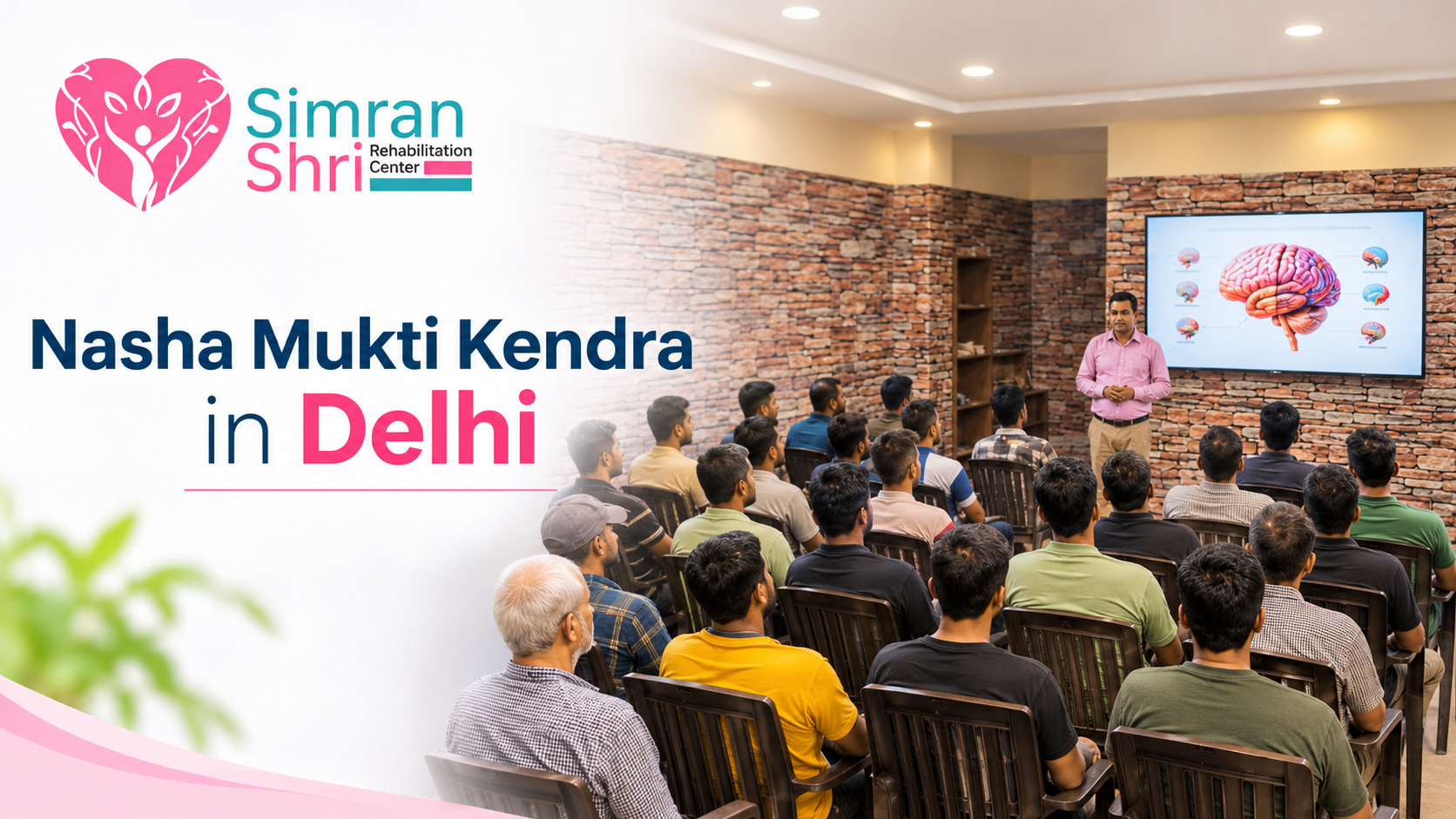
Professional guidance is an important part of addiction recovery. At SimranShri Rehabilitation Centre, different professionals contribute to the assessment, counselling and emotional well-being of individuals.
The professional team includes:
- Dr. Vikas Singhal – Psychiatrist: Provides psychiatric assessment and professional guidance regarding mental health concerns associated with addiction.
- Muskaan Trikah – RCI Registered Clinical Psychologist: Offers psychological assessment and clinical support according to individual needs.
- Shreya Sarkar – Mental Health Professional and Holistic Wellness Practitioner: Supports emotional well-being and holistic wellness.
- Mr. Vineet Sehgal – Senior Counselling Psychologist: Provides counselling support to help individuals understand behavioural and emotional challenges.
- Mr. Cyril John – Visiting Counsellor: Contributes additional counselling support during the recovery process.
This professional team supports a treatment approach that considers both psychological and emotional aspects of addiction.
Treatment Services Available at SimranShri Rehabilitation Centre
Based in Sector 92, Noida, SimranShri Rehabilitation Centre offers addiction-related support and rehabilitation services for individuals from different parts of North India.
Its treatment services include:
- Alcohol Addiction Treatment
- Drug Addiction Treatment
- Cocaine Addiction Treatment
- Detox and Withdrawal Management
- De-Addiction Counselling
- Family Therapy
- Relapse Prevention and Aftercare
Individuals looking for a Rehab Centre or Rehabilitation Centre should understand that treatment requirements depend on their medical condition, substance use history and psychological needs.
The centre has 8 years of experience, an experienced team with over 30 years of combined experience and a history of supporting 2,000+ families across North India.
The founder, Ms. Geeta Tewari, has established the centre with a focus on providing structured rehabilitation support.
When Should a Family Consider Professional Help?
Families should not wait until addiction causes severe health or relationship problems.
Professional support may be necessary when a person:
- Repeatedly fails to control alcohol or drug use.
- Experiences withdrawal symptoms when stopping.
- Neglects work, education or family responsibilities.
- Faces frequent health or emotional problems.
- Experiences repeated relapses.
- Becomes unable to maintain normal daily activities.
Early assessment can help identify the level of care required. In cases of severe withdrawal, seizures, unconsciousness or breathing difficulties, seek emergency medical assistance immediately.
Conclusion: Recovery Needs the Right Support
Staying away from addiction requires patience, professional treatment and consistent effort. Medical care, counselling, family involvement, healthy routines and relapse prevention all play important roles in long-term recovery.
Choosing the right Nasha Mukti Kendra can help individuals take the first step towards a healthier and more stable life.
SimranShri Rehabilitation Centre, founded by Ms. Geeta Tewari, provides addiction recovery and rehabilitation support in Noida, serving individuals and families across North India. Admission enquiries are handled confidentially, allowing families to discuss their concerns and understand the available treatment options.
If someone in your family is struggling with addiction, seeking professional guidance can be an important beginning.
Frequently Asked Questions (FAQs)
1. What is the main purpose of a Nasha Mukti Kendra?
A Nasha Mukti Kendra provides structured support for people struggling with alcohol or drug addiction. Treatment may include medical assessment, detoxification, counselling, behavioural support and relapse prevention.
2. How can someone stay away from addiction after treatment?
Long-term recovery requires regular counselling, healthy daily habits, family support, avoiding personal triggers and following a relapse prevention plan. Continued professional guidance can also help.
3. Does addiction treatment include family counselling?
Yes. Family counselling can help improve communication, rebuild trust and teach family members how to support someone during recovery.
4. Does SimranShri Rehabilitation Centre provide confidential admission?
Yes. SimranShri Rehabilitation Centre follows a confidential admission process. Families can contact the centre to discuss treatment requirements and admission-related information.
5. Where is SimranShri Rehabilitation Centre located?
The centre is located at A-46, Block A, Sector 92, Noida, Uttar Pradesh 201304. It provides rehabilitation support to individuals and families across North India.