Addiction can affect a person’s physical health, emotional well-being, relationships, and daily responsibilities. For families, deciding when to seek professional help can be difficult, especially when repeated attempts to stop drinking alcohol or using drugs have not worked. In such situations, professional treatment can provide structure, guidance, and support.
Choosing a Rehab Centre in Delhi NCR requires more than comparing facilities or admission fees. Families should understand the treatment approach, staff qualifications, medical support, counselling services, privacy policies, and plans for recovery after discharge.
SimranShri Rehabilitation Centre, located in Sector 92, Noida, supports individuals and families seeking help for alcohol and drug addiction. Founded by Ms. Geeta Tewari, the centre reports eight years of experience and more than 2,000 families supported across North India. Understanding what quality addiction care involves can help families make a more informed decision.
What Defines Quality Care at a Rehab Centre in Delhi NCR?
A quality rehabilitation programme should focus on the individual’s needs rather than offering the same approach to everyone. Addiction can have different causes, patterns, and effects, so treatment should begin with an appropriate assessment.
Important factors to consider include:
- Individual assessment: Understanding substance use patterns, physical health, emotional needs, and personal circumstances.
- Medical supervision: Access to qualified medical professionals when assessment, withdrawal management, or other healthcare support is needed.
- Psychological counselling: Helping individuals understand triggers, manage difficult emotions, and develop healthier coping strategies.
- Family involvement: Providing appropriate guidance to family members who want to support recovery.
- Continuing care: Preparing individuals for life after treatment through follow-up support and relapse-prevention planning.
A trustworthy Rehab Centre in Delhi NCR should explain its services clearly and help families understand what treatment can realistically achieve. Recovery takes time, and no centre can guarantee a particular outcome.
Medical Support and Safe Withdrawal Management
Stopping alcohol or certain drugs suddenly can cause withdrawal symptoms. Depending on the substance, duration of use, and the person’s health, these symptoms may range from discomfort and sleep problems to serious medical complications.
For this reason, detoxification should not be treated as a complete addiction treatment programme. It is often an initial step that may need to be followed by counselling, rehabilitation, and ongoing support.
Before admission, families should ask whether the centre provides appropriate medical assessments, who supervises withdrawal management, and how emergencies are handled. Severe alcohol withdrawal can be life-threatening and may require hospital-level care.
A responsible Rehabilitation Centre in Delhi NCR should explain its medical arrangements honestly and refer individuals to an appropriate hospital or specialist when their needs exceed the facility’s capabilities.
Why Counselling Matters During Addiction Recovery
Addiction can involve more than the physical effects of substance use. Stress, family conflict, social pressure, emotional difficulties, and environmental triggers may also contribute to continued use.
Counselling can help individuals recognise these patterns and practise healthier ways of responding to challenges.
At SimranShri Rehabilitation Centre, the professional team includes Dr. Vikas Singhal (Psychiatrist), Muskaan Trikah (RCI Registered Clinical Psychologist), Shreya Sarkar (Mental Health Professional and Holistic Wellness Practitioner), Mr. Vineet Sehgal (Senior Counselling Psychologist), and Mr. Cyril John (Visiting Counsellor).
Their respective roles and availability should be discussed with the centre when planning treatment. Families should also confirm which professionals will be directly involved in an individual’s care.
A suitable treatment plan may include psychiatric assessment where indicated, psychological counselling, structured daily activities, and strategies for managing cravings and emotional distress. The exact approach should depend on the individual’s assessment and needs.
Nasha Mukti Kendra in Delhi NCR: The Importance of a Structured Environment
When searching for a Nasha Mukti Kendra in Delhi NCR, families often want to know what daily life during treatment will involve.
A structured environment can help individuals establish healthier routines while receiving support away from situations that may encourage substance use. However, a structured routine should be combined with respectful care, appropriate supervision, and treatment that recognises each person’s circumstances.
Before choosing a facility, ask about:
- Daily schedules and therapeutic activities.
- Access to medical and psychological professionals.
- Rules for family visits and communication.
- Privacy, consent, and confidentiality procedures.
- Complaint-handling processes and residents’ rights.
- Arrangements for emergencies and referrals to hospitals.
Families should also check whether the facility maintains appropriate hygiene, safe accommodation, fire-safety arrangements, and responsible waste management. They can ask about applicable registrations, permissions, safety procedures, and environmental requirements rather than relying on promotional claims alone.
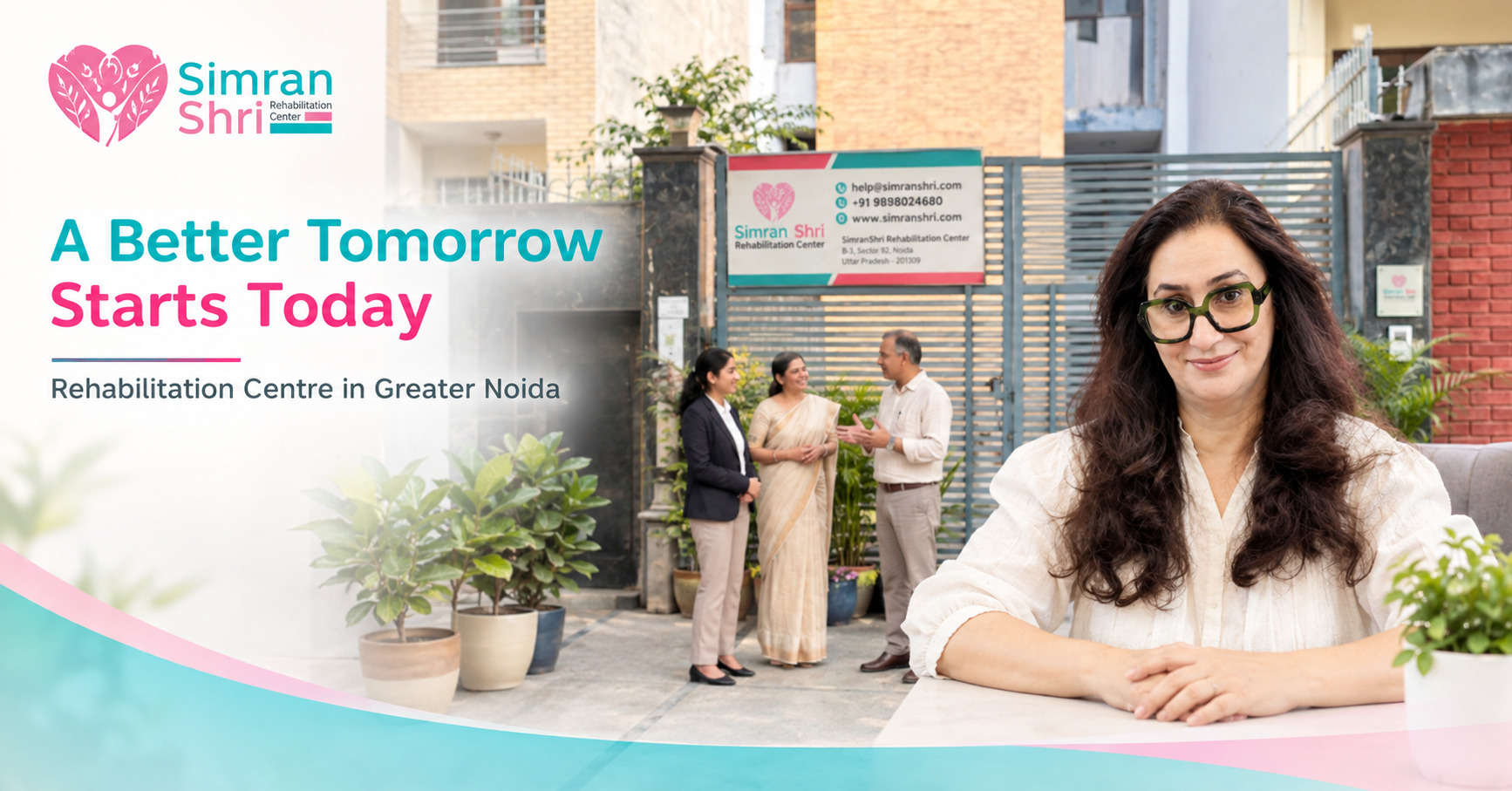
SimranShri Rehabilitation Centre is situated at A-46, Block A, Sector 92, Noida, Uttar Pradesh 201304. Families considering admission should confirm the current facilities, applicable approvals, and services available before making a decision.
Understanding Drug Addiction in Delhi NCR and the Need for Individualised Care
Drug Addiction in Delhi NCR can affect people from different age groups, professions, and family backgrounds. The effects depend on the substance involved, the frequency of use, the person’s health, and other individual factors.
For example, someone experiencing problems related to cocaine use may need a different assessment and treatment plan from someone experiencing dependence on opioids or prescription medicines.
Quality treatment should consider these differences instead of relying on a one-size-fits-all approach. Depending on clinical needs, care may involve medical evaluation, psychological interventions, psychiatric support, family education, and referrals for specialised treatment.
Families should avoid unverified remedies and should not stop or change prescribed medication without consulting a qualified healthcare professional.
A good Rehab Centre in Delhi NCR should explain the proposed treatment plan, discuss possible challenges, and encourage informed decisions. Individuals should be treated with dignity, without shame or discrimination.
How to Choose a Rehab Centre Near Me
Searching online for a Rehab Centre Near me can produce many options, but proximity alone does not determine the quality of treatment.
Before admission, consider the following questions:
1. Are the credentials and approvals clear?
Ask about applicable registrations, facility permissions, professional qualifications, and the scope of services offered.
2. Is medical help available when needed?
Understand who conducts assessments, who manages withdrawal risks, and what happens during a medical emergency.
3. Is the treatment plan explained clearly?
The centre should describe the proposed programme, expected costs, rules, and possible limitations before admission.
4. Are privacy and consent respected?
Ask how personal information is protected, who can access it, and how family communication is managed.
5. Is aftercare included?
Recovery continues after discharge. Ask about follow-up counselling, relapse-prevention strategies, and support for returning to everyday responsibilities.
At SimranShri Rehabilitation Centre, admission enquiries can help families understand the available services, admission process, and costs before deciding whether the programme is suitable.
Why Family Therapy and Aftercare Matter
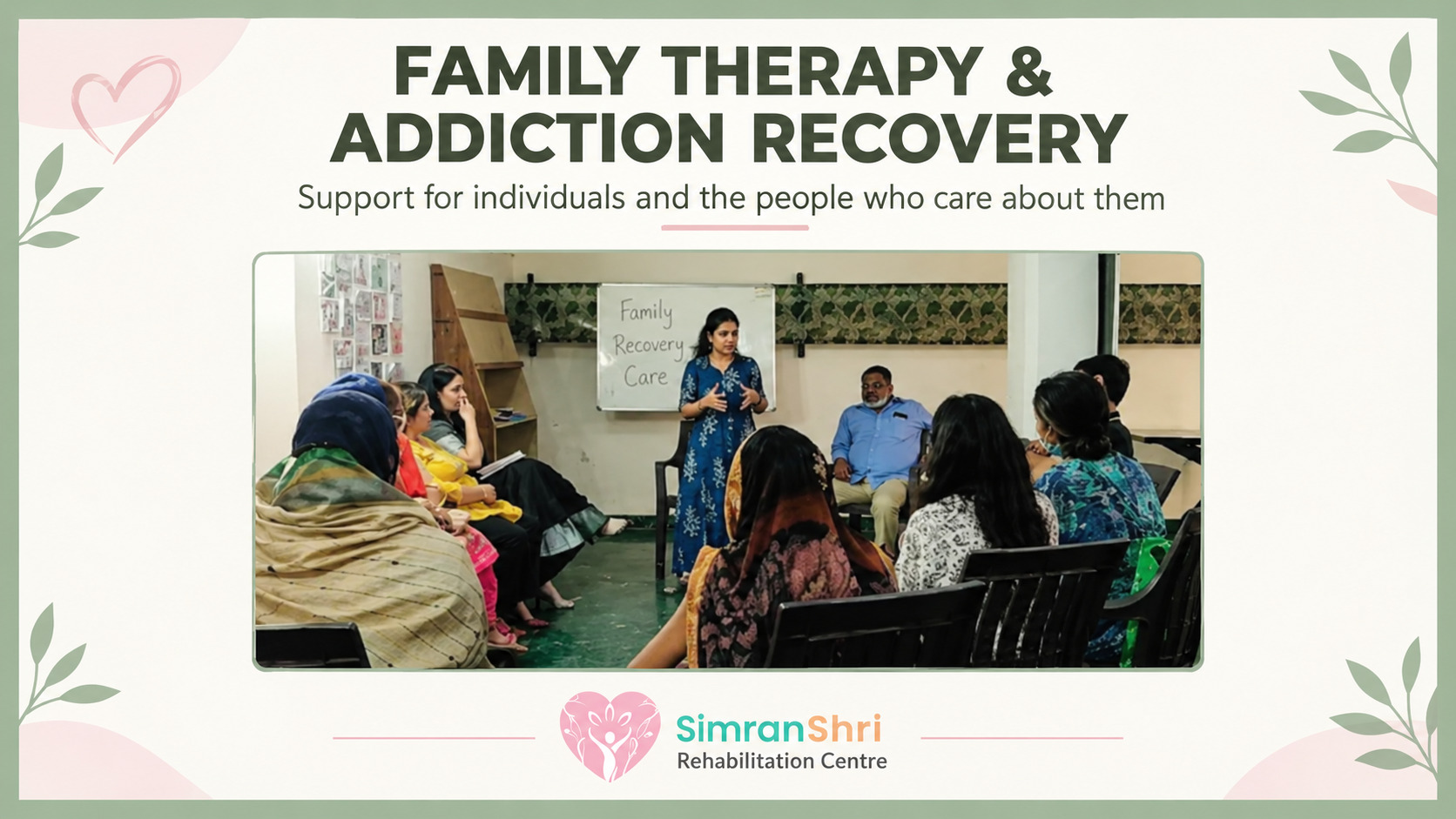
Family members may experience worry, frustration, financial pressure, or uncertainty when someone struggles with addiction. Family therapy and education can help relatives understand addiction, communicate more constructively, and establish healthy boundaries.
Aftercare is equally important. Returning to familiar surroundings can bring new challenges, including stress, social pressure, and exposure to previous triggers.
A practical aftercare plan may include regular counselling, follow-up appointments, healthy daily routines, supportive relationships, and clear steps for seeking help if warning signs appear.
Relapse does not mean that recovery is impossible. It may indicate that the treatment plan needs reassessment or additional support. Timely professional guidance can help individuals identify difficulties and work towards renewed stability.
Conclusion
Choosing a Rehab Centre in Delhi NCR is an important decision that deserves careful consideration. Medical safety, qualified professionals, personalised treatment, confidentiality, family involvement, and continuing care are essential factors to examine.
SimranShri Rehabilitation Centre in Sector 92, Noida, offers information about alcohol addiction treatment, drug addiction treatment, detox and withdrawal management, de-addiction counselling, family therapy, and relapse prevention and aftercare. Families can contact the centre to discuss available services, professional involvement, admission requirements, and fees.
Admission enquiries: +91 9958024680
Email: help@simranshrirehab.com
Fees: https://simranshrirehab.com/cost-of-rehab-india/
Admission process: https://simranshrirehab.com/admission-process/
The best starting point is an informed conversation with qualified professionals who can help determine the appropriate next step.
Frequently Asked Questions
1. How do I choose a Rehab Centre in Delhi NCR?
Compare professional qualifications, medical supervision, treatment methods, privacy policies, facility safety, costs, and aftercare arrangements. Confirm that the centre’s services match the individual’s needs.
2. What treatments should a rehabilitation centre provide?
Depending on individual needs, treatment may include medical assessment, supervised withdrawal management, counselling, psychiatric support, family therapy, and relapse-prevention planning.
3. Is detoxification enough to recover from addiction?
Not always. Detoxification helps manage withdrawal when required, but longer-term recovery may also need psychological treatment, behavioural support, and continuing care.
4. Can families participate in addiction treatment?
Yes, where appropriate and with due regard to the individual’s consent and confidentiality. Family education and therapy can help relatives understand addiction and offer healthier support.
5. How can I enquire about admission at SimranShri Rehabilitation Centre?
Families can call +91 9958024680 or email help@simranshrirehab.com to ask about available services, admission requirements, and fees. The centre should explain the process and help determine whether its services are appropriate for the individual’s needs.