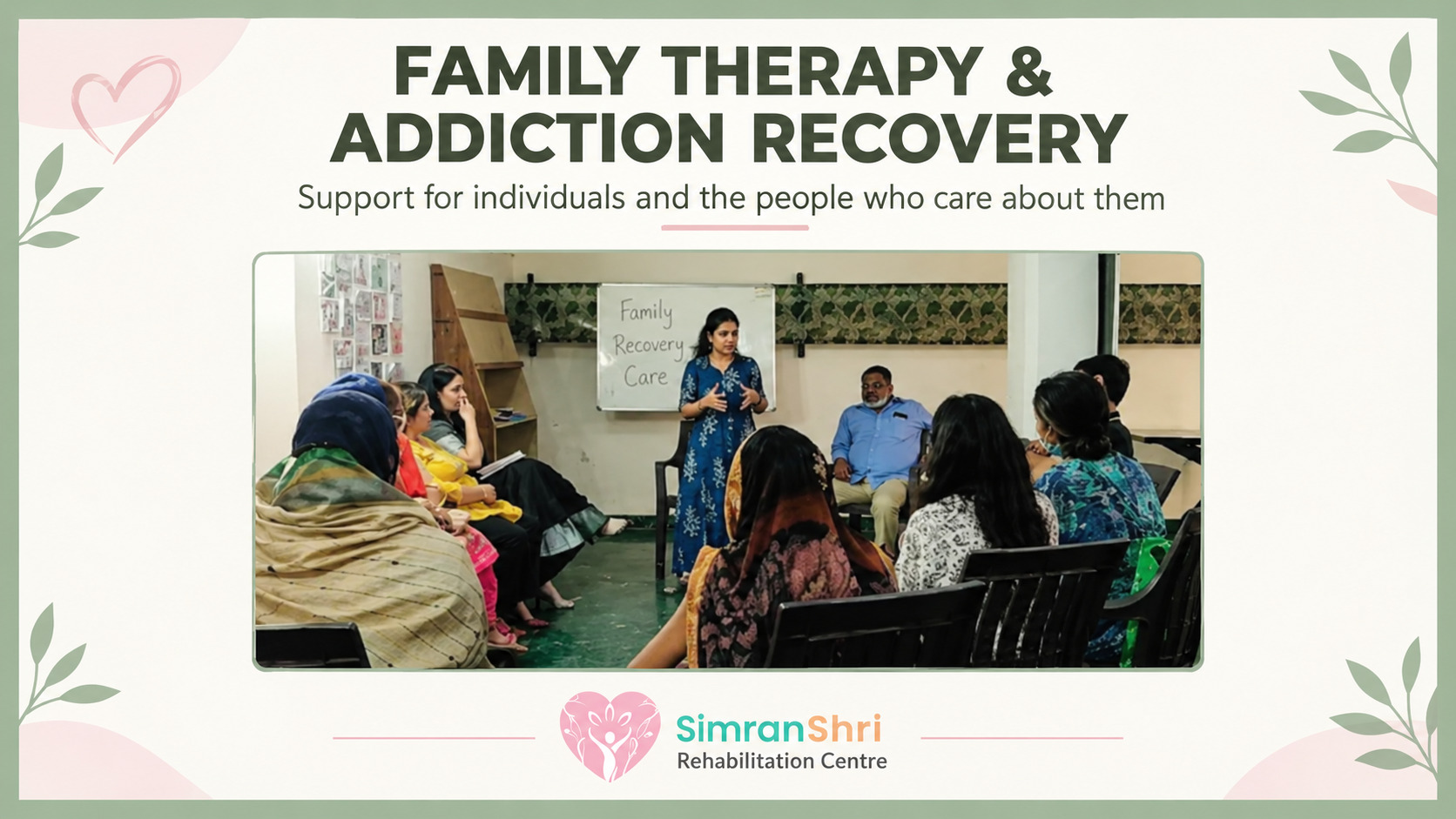
Addiction can change family life in many ways. It may lead to arguments, broken trust, financial stress, and emotional distance between loved ones. Parents may worry about their children, partners may feel helpless, and the person struggling with addiction may find it difficult to explain what they are going through.
In such situations, Family Therapy can help family members understand each other and find healthier ways to deal with these challenges. It provides a space to discuss concerns, improve communication, and learn how to support recovery without ignoring personal needs.
At SimranShri Rehabilitation Centre in Noida, families can enquire about addiction-related treatment and support services to understand which options may suit their situation.
How Does Addiction Affect Family Relationships?
When someone experiences alcohol or drug addiction, the effects often reach beyond the individual. Family members may feel angry, worried, disappointed, or unsure about what to do next. Sometimes, they try to solve every problem themselves. Others avoid difficult conversations because they fear making things worse.
Over time, these patterns can damage relationships and increase stress at home.
Family Therapy helps relatives understand these reactions and discuss their concerns in a more constructive way. Instead of focusing only on past mistakes, sessions can help families identify what needs to change and how they can move forward.
The purpose is not to blame the person with addiction or their family. It is to build understanding, encourage healthier communication, and create a more supportive environment.
What Is Family Therapy and How Can It Help?
Family Therapy is a guided process in which a trained professional helps family members work through relationship difficulties and concerns connected with addiction. Depending on the situation, sessions may involve the person receiving treatment, their partner, parents, or other relatives.
Here are some important ways it may help.
1. Improving Communication
Conversations about addiction can quickly become emotional. Family members may express their worries through anger, while the person struggling with addiction may feel criticised or misunderstood.
During Family Therapy, participants can learn to express their feelings clearly, listen without interrupting, and discuss difficult issues more calmly. Better communication can make conversations about treatment, responsibilities, and recovery easier.
2. Rebuilding Trust Gradually
Addiction can sometimes lead to broken promises, financial difficulties, or repeated disappointments. Even when a person begins treatment, family members may remain uncertain about the future.
Therapy can help families set realistic expectations and understand that trust develops through consistent actions over time. Honest communication, accountability, and clear boundaries can support this process.
Progress may take time, and setbacks do not automatically mean that recovery is impossible.
3. Understanding Addiction Better
Some families believe that addiction can be overcome through willpower alone. However, addiction may involve physical dependence, emotional difficulties, and other factors that require professional assessment and care.
Family Therapy can help relatives understand these challenges and learn how to provide appropriate support. It can also help them recognise the difference between helping someone and repeatedly protecting them from the consequences of harmful behaviour.
4. Setting Healthy Boundaries
Supporting a loved one should not mean ignoring your own health or safety. Families may need clear boundaries around money, household responsibilities, communication, and behaviour.
A trained therapist can help family members discuss these limits respectfully. Healthy boundaries can encourage responsibility while allowing relatives to protect their emotional well-being.
Can Family Therapy Support Long-Term Addiction Recovery?
Yes, Family Therapy can be a useful part of a wider addiction treatment plan. However, its suitability depends on the person’s needs, family circumstances, and professional assessment.
It may help relatives understand treatment recommendations, encourage healthy routines, and respond constructively when recovery becomes difficult.
For example, a family may learn how to discuss cravings without starting an argument, recognise situations that may increase the risk of substance use, and encourage the person to attend follow-up appointments.
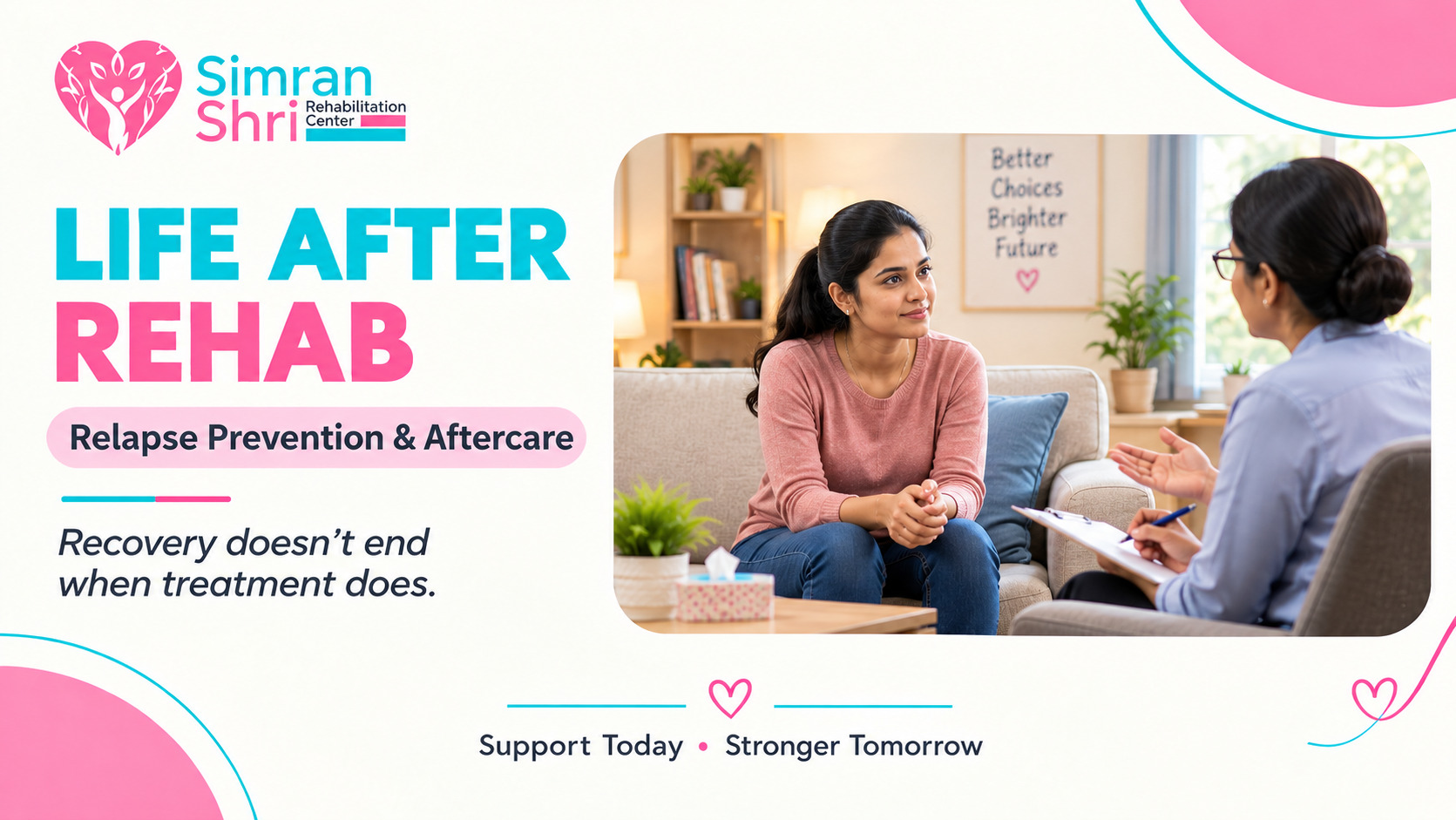
Relapse Prevention and Aftercare are also important parts of ongoing recovery. These services may include follow-up counselling, recovery planning, coping strategies, and continued support after a formal treatment programme ends.
Family members can contribute by encouraging healthy habits and recognising warning signs. However, they are not responsible for controlling another person’s recovery, and professional support remains important.
The Role of a Nasha Mukti Kendra and Rehab Centre
A Nasha Mukti Kendra or Rehab Centre can offer structured support for individuals experiencing alcohol or drug addiction. Depending on the facility, treatment may include counselling, psychological support, medically supervised withdrawal management, and planning for continued recovery.
When appropriate, family involvement can help relatives understand the treatment process and prepare for the person’s return home.
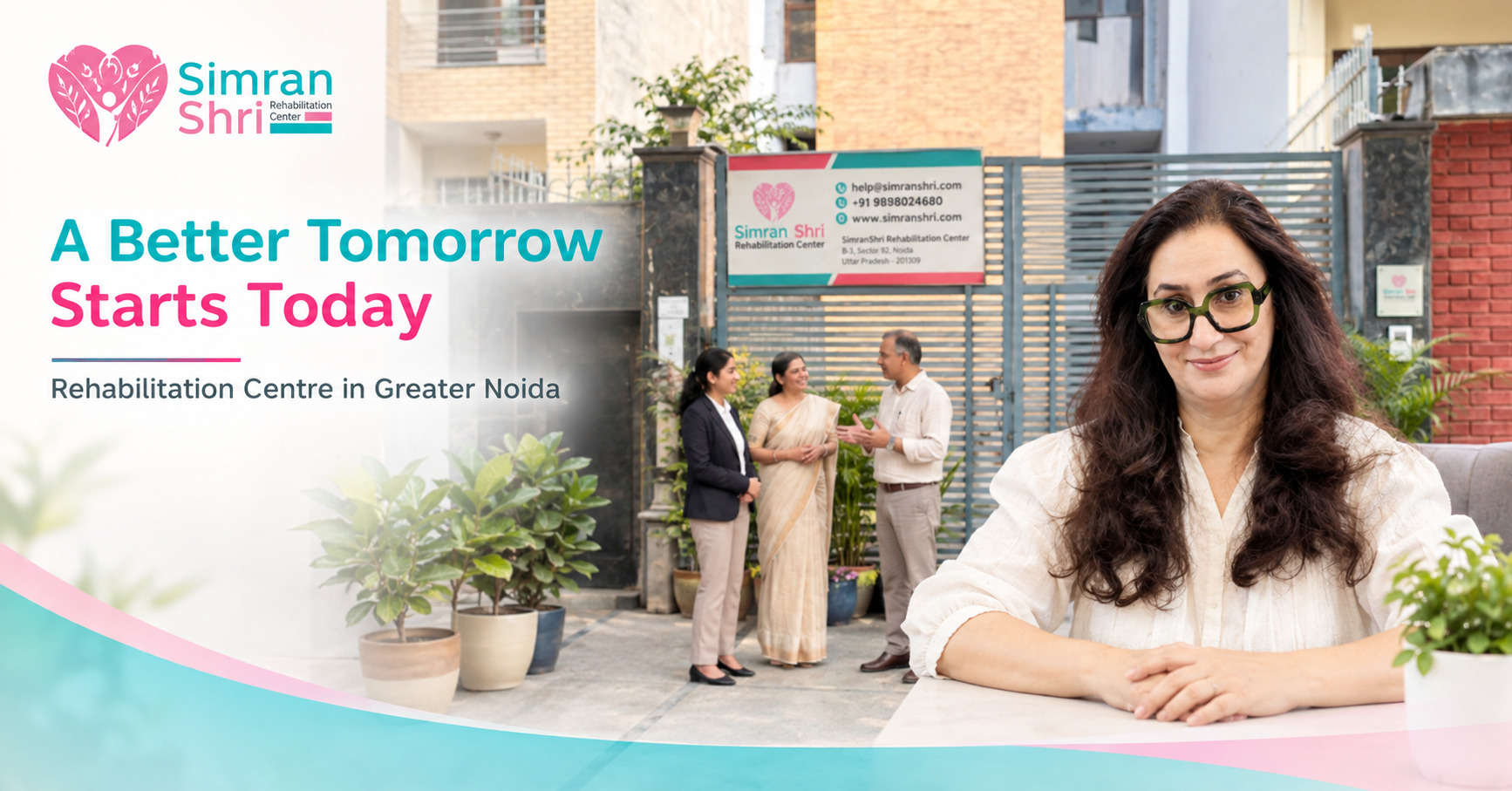
SimranShri Rehabilitation Centre is located in Sector 92, Noida, and offers services related to alcohol addiction, drug addiction, detox and withdrawal management, counselling, and aftercare. Families can contact the centre to ask about available family support and treatment arrangements.
The right Addiction Therapy approach depends on individual circumstances. Some people may benefit from individual counselling, while others may need medical care, psychiatric support, family sessions, or a combination of these services.
Before choosing a facility, ask about staff qualifications, treatment methods, confidentiality, emergency arrangements, and the support available after discharge.
Meet the Professionals Supporting Mental Health
Addiction care may involve professionals with different areas of training and expertise. SimranShri Rehabilitation Centre identifies the following professionals as part of its support team:
- Dr. Vikas Singhal – Psychiatrist: Psychiatric assessment and support for relevant mental health concerns.
- Muskaan Trikah – RCI-Registered Clinical Psychologist: Psychological assessment and clinical support within her professional scope.
- Shreya Sarkar – Mental Health Professional and Holistic Wellness Practitioner: Support related to emotional well-being and relevant wellness practices.
- Mr. Vineet Sehgal – Senior Counselling Psychologist: Counselling support for emotional and recovery-related concerns.
- Mr. Cyril John – Visiting Counsellor: Counselling support according to the services available.
Families should confirm each professional’s current role, availability, and suitability for their needs when enquiring about treatment.
Finding a Rehabilitation Centre Near Me in Noida
When families search for a Rehabilitation Centre Near me, they often want reliable care that is accessible and suitable for their loved one. Location matters, but it should not be the only factor in the decision.
Consider the following before selecting a centre:
- Check the qualifications and experience of the professionals involved.
- Ask which treatment and counselling services are available.
- Understand the admission process, fees, and confidentiality arrangements.
- Ask about safety procedures and emergency medical support.
- Check whether relapse prevention and aftercare are available.
- Confirm that the facility follows applicable regulatory, health, sanitation, and environmental requirements, including appropriate waste disposal procedures.
SimranShri Rehabilitation Centre is situated at A-46, Block A, Sector 92, Noida, Uttar Pradesh 201304. The centre reports eight years of experience and having supported more than 2,000 families across North India.
You can review the admission process and rehabilitation fees before making an enquiry.
How Can Families Prepare for Therapy?
A few simple steps can make the process easier for everyone involved.
Be honest about your concerns: Explain what has been happening without turning the conversation into an argument.
Set realistic goals: Think about what you want to improve, whether it is communication, trust, or understanding addiction.
Respect personal boundaries: Discuss privacy and who will participate in sessions.
Be patient with progress: Relationships may take time to improve, even after treatment begins.
Look after your own well-being: Family members may also benefit from individual counselling or support groups.
Joint sessions may not be suitable in every situation. Where there is violence, coercion, or an immediate safety concern, individual professional support and safety planning should take priority.
Conclusion
Addiction can put pressure on the entire family, but it does not have to define the future of every relationship. With suitable professional guidance, families can learn to communicate better, rebuild trust gradually, and support recovery while protecting their own well-being.
Family Therapy is not about finding someone to blame. It is about understanding the challenges, developing healthier responses, and taking practical steps towards a better future.
SimranShri Rehabilitation Centre provides addiction-related support services and information about available treatment options. Families can call +91 9958024680 or email help@simranshrirehab.com to enquire about services, admission, and family support.
Frequently Asked Questions
1. How does Family Therapy help families affected by addiction?
It helps family members communicate more effectively, understand addiction, work through relationship difficulties, and establish healthier boundaries.
2. Is Family Therapy enough to treat addiction?
Not always. It can support recovery but may need to be combined with medical treatment, individual counselling, psychiatric care, or other appropriate services.
3. What should I look for in a Nasha Mukti Kendra?
Check professional qualifications, treatment options, safety arrangements, confidentiality, fees, and the availability of ongoing recovery support.
4. Why is Relapse Prevention and Aftercare important?
Ongoing support can help individuals manage triggers, practise coping skills, and stay connected with appropriate care after completing a treatment programme.
5. How can I contact SimranShri Rehabilitation Centre?
Call +91 9958024680 or email help@simranshrirehab.com to enquire about treatment services and admission arrangements.