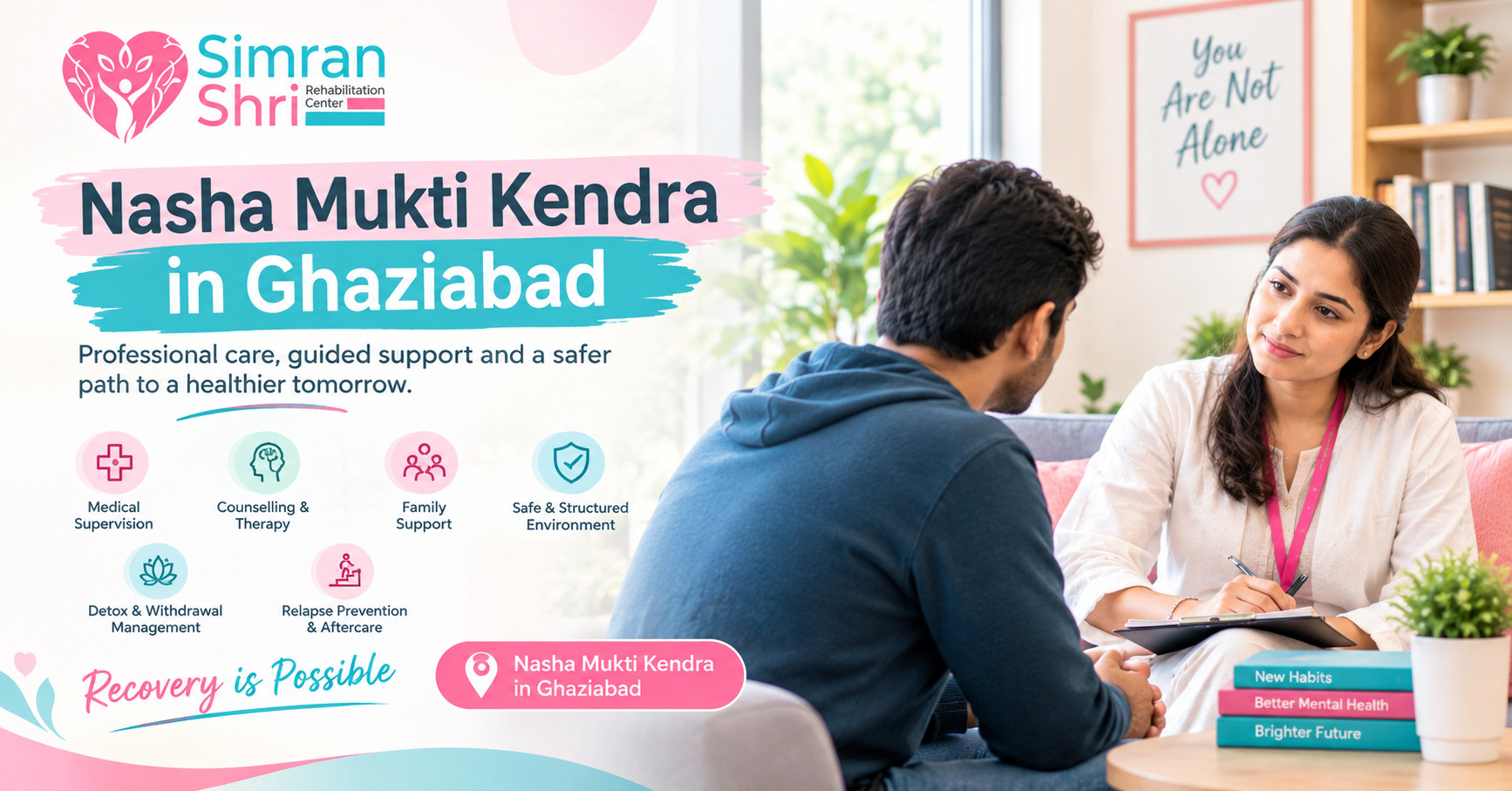
Addiction can gradually affect a person’s health, relationships, work, and peace of mind. What may begin as occasional alcohol or drug use can become difficult to control over time. Families may notice changes in behaviour, financial stress, frequent arguments, or declining physical health. Meanwhile, the person struggling with addiction may feel guilty, anxious, or unsure about asking for help.
In such situations, professional treatment can provide a practical way forward. A Nasha Mukti Kendra in Ghaziabad can help individuals understand their addiction, receive appropriate care, and work towards lasting recovery. With medical supervision, counselling, and family involvement, recovery becomes a structured process rather than a struggle that someone must face alone.
Understanding When Addiction Becomes a Serious Concern
Addiction does not always look the same for everyone. Some people may continue working while struggling with substance use, whereas others may experience significant changes in their daily lives. Recognising the warning signs early can help families seek support before the situation becomes more complicated.
Common signs may include:
- Repeatedly trying to stop drinking or using drugs without success.
- Experiencing strong cravings or spending considerable time obtaining substances.
- Neglecting work, studies, family responsibilities, or personal health.
- Continuing substance use despite relationship problems or other harmful consequences.
- Developing withdrawal symptoms when reducing or stopping alcohol or drugs.
- Using substances to cope with stress, sadness, anxiety, or difficult emotions.
These signs do not mean that a person should be judged or blamed. Addiction is a complex health concern that may require professional assessment, medical care, and psychological support.
How a Nasha Mukti Kendra in Ghaziabad Can Support Recovery
A structured treatment programme can help individuals address both substance use and the challenges associated with it. The right approach depends on the person’s health, substance use history, withdrawal risks, and individual circumstances.
1. Initial Assessment and Treatment Planning
Recovery begins with understanding the person’s needs. A professional assessment may review substance use patterns, medical history, mental health concerns, previous treatment, and family circumstances.
Based on the assessment, the treatment team can recommend suitable care. Some individuals may need medically supervised withdrawal management, while others may require a structured residential programme or ongoing outpatient support.
At SimranShri Rehabilitation Centre, the admission process is described as confidential. Families can enquire about available services, treatment arrangements, and the information required before admission.
2. Medical Supervision During Detox and Withdrawal
Stopping alcohol or certain drugs suddenly can cause serious withdrawal complications. Alcohol withdrawal, in particular, may become life-threatening in severe cases.
Detoxification focuses on managing withdrawal symptoms and supporting physical stability. It is not a complete treatment for addiction by itself; counselling and continuing recovery support may also be necessary.
A qualified medical professional should assess withdrawal risks and determine the appropriate level of care. Seizures, severe confusion, hallucinations, or other serious symptoms require urgent medical attention.
3. Counselling and Psychological Support
Addiction may be connected with stress, emotional difficulties, social influences, or patterns of coping with uncomfortable feelings. Counselling helps individuals explore these factors and develop healthier responses.
Depending on individual needs, treatment may include one-to-one counselling, behavioural strategies, emotional regulation, and relapse-prevention planning. Psychological support can also help people rebuild confidence and improve communication with their families.
Choosing a Rehabilitation Centre in Ghaziabad: What Should Families Check?
Searching for a Rehabilitation Centre in Ghaziabad is often an important step, but families should look beyond advertisements and promises. A responsible facility should explain its treatment approach, professional qualifications, safety arrangements, and admission procedures clearly.
Before making a decision, consider the following points:
- Medical support: Ask who assesses patients, manages withdrawal risks, and responds to medical emergencies.
- Qualified professionals: Verify the qualifications and roles of the psychiatrist, psychologist, counsellors, and other care providers.
- Individual treatment plans: Confirm that care is based on each person’s assessment rather than a one-size-fits-all approach.
- Safe living conditions: Check cleanliness, ventilation, sanitation, fire safety, privacy, and the arrangements for managing medical or other facility waste.
- Family communication: Ask how relatives can participate in treatment and receive appropriate updates.
- Aftercare planning: Find out what support is available after discharge and how follow-up care is arranged.
A trustworthy centre should provide clear information about fees, treatment limitations, consent, confidentiality, and emergency procedures. Families should also verify any claims of government approval or professional registration through the relevant authorities.
When an Inpatient Programme May Be Appropriate
An Inpatient Programme provides a structured residential setting where individuals can receive organised treatment and support away from some of the triggers associated with everyday life.
It may be considered when a person needs supervised withdrawal management, has difficulty maintaining recovery at home, or requires consistent therapeutic support. However, the appropriate level of care must be decided through professional assessment.
A residential programme may include:
- A structured daily routine.
- Medical assessment and monitoring where available and clinically indicated.
- Individual or group counselling.
- Healthy lifestyle habits and emotional wellbeing activities.
- Family sessions when appropriate.
- A discharge plan with relapse-prevention strategies.
Not everyone requires residential treatment. Some individuals may benefit from outpatient counselling or other community-based services. The goal is to find a safe, suitable level of care rather than assuming that one treatment option works for everyone.
Meet the Mental Health Professionals Supporting Recovery
Professional expertise matters when selecting addiction treatment. The following professionals are associated with the team information provided by SimranShri Rehabilitation Centre. Their roles and credentials should be confirmed directly with the centre before treatment.
- Dr. Vikas Singhal — Psychiatrist: Psychiatric assessment and mental health care can help address co-occurring concerns when clinically indicated.
- Muskaan Trikah — RCI-Registered Clinical Psychologist: Psychological assessment and evidence-informed therapeutic support may help individuals understand behaviour patterns and develop coping skills.
- Shreya Sarkar — Mental Health Professional and Holistic Wellness Practitioner: Mental wellbeing and appropriate wellness practices may complement a broader recovery plan.
- Mr. Vineet Sehgal — Senior Counselling Psychologist: Counselling can support emotional awareness, behaviour change, and recovery-related challenges.
- Mr. Cyril John — Visiting Counsellor: Counselling support may help individuals work through personal difficulties associated with recovery.
Treatment responsibilities should match each professional’s qualifications and scope of practice. Medical decisions, withdrawal management, and psychiatric treatment should be handled by appropriately qualified healthcare professionals.
Why Family Support Matters During Recovery
Addiction can affect the whole family, often creating worry, mistrust, and emotional exhaustion. Family members may want to help but feel unsure about what to say or how to respond when setbacks occur.
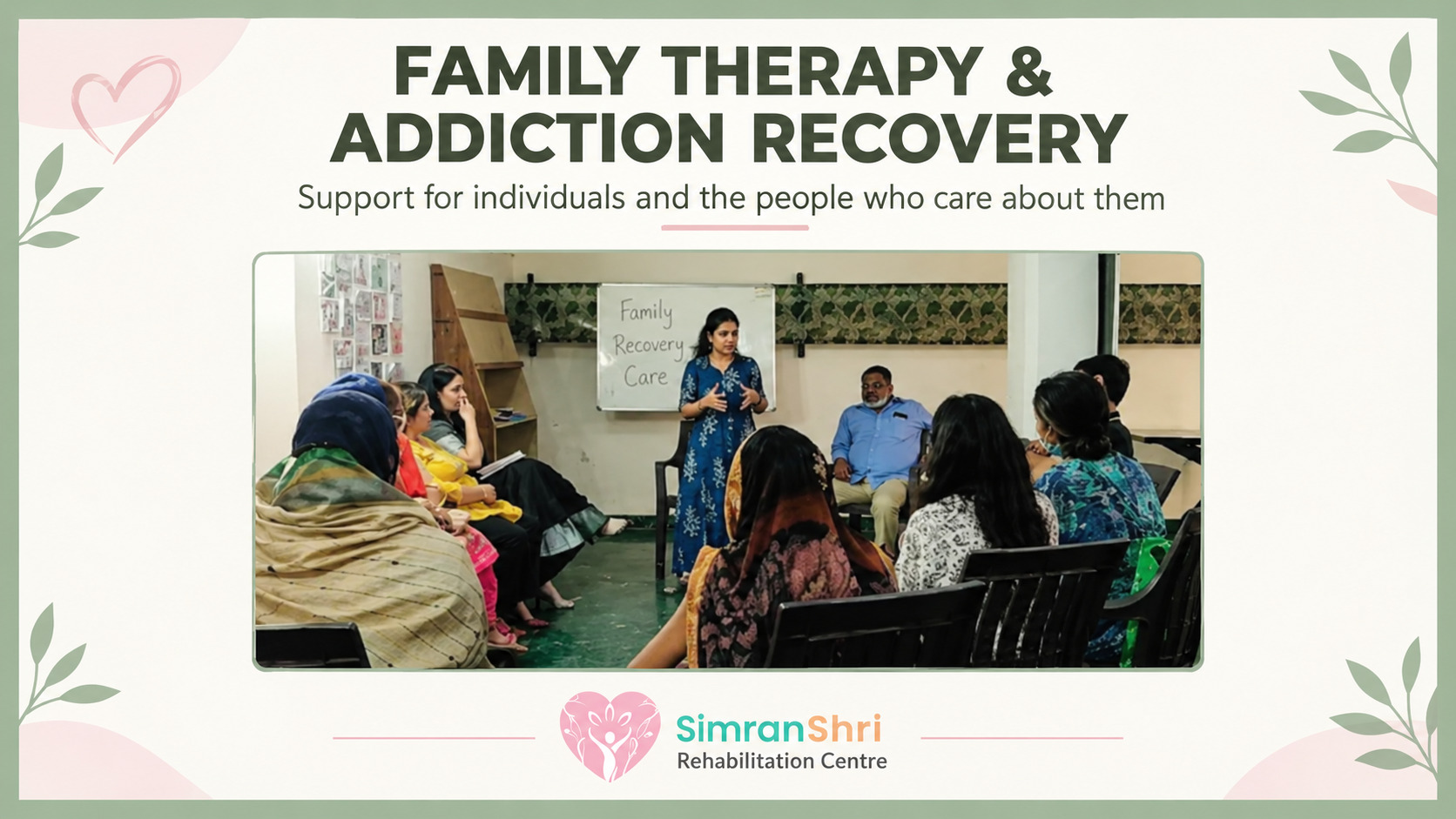
Family therapy can create a space to improve communication, understand addiction, establish healthy boundaries, and identify practical ways to support recovery. Relatives can also learn how to encourage treatment without taking responsibility for every decision made by the person struggling with substance use.
At SimranShri Rehabilitation Centre, family involvement and aftercare can be discussed during the treatment enquiry process. The exact services available should be confirmed with the centre.
Recovery takes time, and setbacks do not automatically mean that treatment has failed. Consistent support, professional guidance, and an appropriate follow-up plan can help individuals respond to difficulties more constructively.
Finding a Rehab Centre in Ghaziabad for Long-Term Recovery
When comparing a Rehab Centre in Ghaziabad, consider the quality and suitability of care, not just the location or advertised promises. Ask whether the facility can explain its treatment methods, staff qualifications, emergency arrangements, residential conditions, and aftercare options.
SimranShri Rehabilitation Centre is located at A-46, Block A, Sector 92, Noida, Uttar Pradesh 201304, and reports eight years of experience and support for more than 2,000 families across North India. The centre offers services related to alcohol and drug addiction, detox and withdrawal management, de-addiction counselling, family therapy, and relapse prevention.
Families searching for a Nasha Mukti Kendra in Ghaziabad can contact the centre to understand its current services, admission requirements, availability, and suitability for their circumstances.
Admission enquiries: +91 9958024680
Email: help@simranshrirehab.com
Fees information: https://simranshrirehab.com/cost-of-rehab-india/
Admission process: https://simranshrirehab.com/admission-process/
Conclusion
Addiction can make everyday life difficult, but seeking help is a meaningful first step towards change. Professional assessment, appropriate medical care, counselling, family involvement, and continuing support can help individuals work towards a healthier and more stable life.
Choosing a Nasha Mukti Kendra in Ghaziabad should involve careful consideration of safety, professional qualifications, treatment methods, and aftercare. Families should ask questions, verify important claims, and select care that meets the individual’s needs. With the right support and a realistic recovery plan, a more hopeful future is possible.
Frequently Asked Questions
1. When should someone seek help from a Nasha Mukti Kendra in Ghaziabad?
Professional help may be appropriate when substance use becomes difficult to control, affects health or relationships, or continues despite harmful consequences. Withdrawal symptoms and repeated unsuccessful attempts to stop are also reasons to seek assessment.
2. What treatments may be available at a rehabilitation centre?
Depending on the facility and individual needs, treatment may include medical assessment, detox and withdrawal management, de-addiction counselling, psychological support, family therapy, and relapse-prevention planning. Confirm the services and medical arrangements directly with the centre.
3. What is an Inpatient Programme for addiction treatment?
An Inpatient Programme involves staying at a treatment facility while receiving structured care. It may suit individuals who need residential support or closer monitoring, although the appropriate level of treatment depends on a professional assessment.
4. How can families choose a Rehabilitation Centre Near me?
Check professional credentials, medical supervision, safety and hygiene standards, confidentiality practices, treatment plans, fees, and aftercare services. Visit the facility when possible and verify its approval and registration claims before admission.
5. How can I enquire about admission at SimranShri Rehabilitation Centre?
You can call +91 9958024680 or email help@simranshrirehab.com to ask about the admission process, available treatment services, fees, and whether the centre is suitable for your needs. Confirm current availability and arrangements directly with the team.