Nasha Mukti Kendra in Bulandshahr – Alcohol and Drug Addiction Treatment
Finding a reliable Nasha Mukti Kendra in Bulandshahr can be an important step for individuals struggling with alcohol or drug addiction. Substance dependence can affect physical health, mental well-being, family relationships and everyday responsibilities. With appropriate professional guidance, structured treatment and continued support, individuals can work towards recovery and develop healthier lifestyles.
SimranShri Rehabilitation Centre provides de-addiction and rehabilitation support for individuals and families across North India, including those seeking treatment from Bulandshahr. Its services include alcohol addiction treatment, drug addiction treatment, withdrawal management, counselling, family support and relapse-prevention planning.
The centre follows an individual-focused approach that considers the person’s substance-use history, health, psychological needs and recovery goals.
Our Address
A-46, Sector 92
Noida, Uttar Pradesh
201304
Admission enquiries: +91 9958024680
Directions: Find SimranShri Rehabilitation Centre
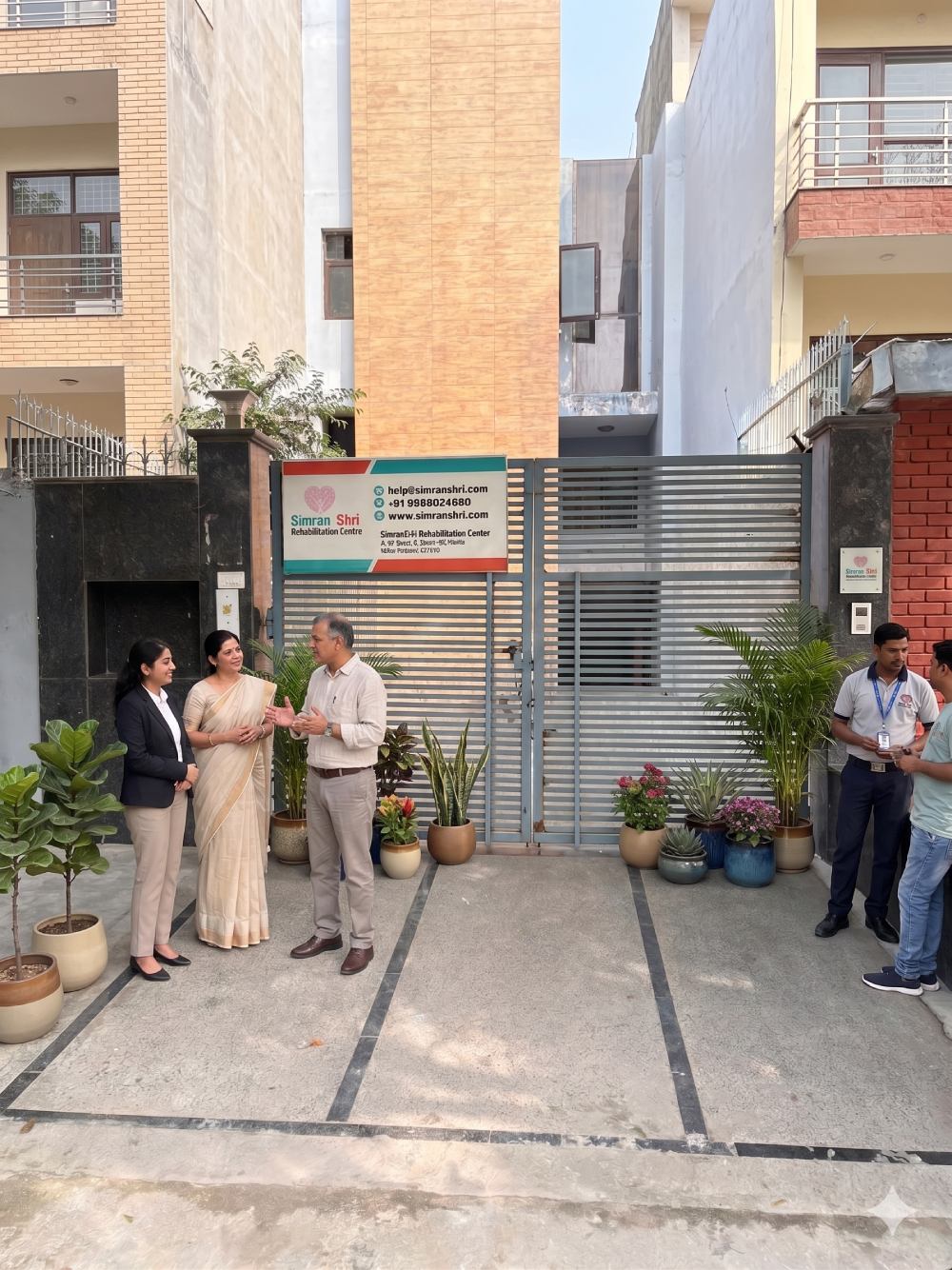
Important location information: SimranShri Rehabilitation Centre’s listed residential facility is located at A-46, Sector 92, Noida, Uttar Pradesh 201304. It does not operate a physical branch in Bulandshahr. Families from Bulandshahr can contact the admissions team to discuss treatment suitability, admission requirements and travel arrangements.
Inside Our Rehabilitation Centre
SimranShri Rehabilitation Centre’s published facilities information describes accommodation options, therapy spaces, shared areas, dining facilities, and clinical areas. Individuals and families from Bulandshahr can enquire about the Noida facility, available accommodation, treatment arrangements, and visiting options.
About SimranShri Rehabilitation Centre
SimranShri Rehabilitation Centre was founded by Ms. Geeta Tewari to support individuals and families navigating addiction and rehabilitation.
The centre reports eight years of experience, with staff bringing over 30 years of combined experience. It also reports having supported more than 2,000 families across North India.
SimranShri identifies itself as government-approved. Families can request the applicable approval or registration details to understand the issuing authority, validity, and scope.
The centre offers a confidential admission process to help individuals and families understand the available services and practical steps involved in seeking rehabilitation.
Why Seek Professional Cocaine Addiction Treatment in Noida?
Individualised Assessment
Treatment planning should consider the person's pattern of cocaine use, general health, mental health, other substances used, previous treatment experiences, and support system.
Counselling and Behavioural Support
Behavioural therapies can help people understand triggers, work on coping skills, and change patterns associated with substance use. The appropriate approach depends on individual needs and the services available.
Support for Emotional Well-Being
Cocaine use may occur alongside anxiety, depression, sleep problems, or other mental health concerns. These issues should be assessed rather than assumed to be caused by cocaine alone.
Family Guidance
Family members may need help understanding addiction, communicating constructively, establishing healthy boundaries, and supporting treatment without taking responsibility for the person's recovery.
Continuing Recovery Support
Planning for life after a residential programme can help individuals identify triggers, build routines, access support, and respond to warning signs of a return to use.
What Is a Nasha Mukti Kendra?
A Nasha Mukti Kendra is a de-addiction and rehabilitation facility that provides structured support to individuals experiencing alcohol or drug dependence.
Addiction can develop when repeated substance use becomes difficult to control, even when it begins affecting a person’s health, relationships, finances or professional responsibilities.
A de-addiction programme may involve:
- Initial assessment and treatment planning.
- Medical evaluation and withdrawal management where required.
- Individual and group counselling.
- Behavioural and psychological support.
- Structured daily routines.
- Family counselling and guidance.
- Relapse-prevention strategies.
- Continued recovery support and aftercare.
The treatment approach should be based on individual clinical needs rather than a standard programme for every person.
Signs That Someone May Need a Nasha Mukti Kendra
Recognising the signs of addiction can help families seek professional support before substance use causes further difficulties.
Some common warning signs include:
Behavioural Signs
- Repeated substance use despite negative consequences.
- Difficulty controlling alcohol or drug consumption.
- Hiding substance use from family members.
- Neglecting work, education or household responsibilities.
- Spending excessive time obtaining or using substances.
- Repeated unsuccessful attempts to stop using drugs or alcohol.
Physical Signs
- Changes in appetite or body weight.
- Sleep disturbances.
- Unusual tiredness or reduced energy.
- Poor personal hygiene.
- Tremors or sweating during withdrawal from certain substances.
- Changes in general physical health.
Emotional and Psychological Signs
- Irritability and sudden mood changes.
- Anxiety or emotional distress.
- Social withdrawal and isolation.
- Strong cravings.
- Difficulty concentrating.
- Depression or other psychological difficulties.
These symptoms do not independently confirm addiction. A qualified healthcare professional should assess the individual before treatment decisions are made.
Types of Addiction Treatment at SimranShri Rehabilitation Centre
Different substances can affect the body and mind in different ways. Treatment should consider the substance involved, duration of use, overall health and any co-occurring psychological concerns.

Alcohol Addiction Treatment
Alcohol dependence can affect physical health, emotional stability, relationships and everyday functioning.
Treatment may involve clinical assessment, withdrawal management when required, counselling, family involvement and continued recovery support.
People who regularly consume large amounts of alcohol should seek medical advice before suddenly stopping. Alcohol withdrawal can cause serious complications and may require medically supervised care.

Drug Addiction Treatment
Drug addiction can affect behaviour, physical health, mental well-being and personal relationships.
The treatment plan depends on the type of substance, frequency of use, duration of dependence and the individual’s health.
Treatment may involve:
- Substance-use assessment.
- Medical and psychological evaluation.
- Appropriate withdrawal management.
- Individual counselling.
- Behavioural interventions.
- Family support.
- Relapse-prevention planning.

Cocaine Addiction Treatment
Cocaine is a stimulant that affects the central nervous system and can lead to repeated use, strong cravings and psychological difficulties.
Treatment may involve behavioural support, counselling, clinical assessment and strategies for managing cravings and triggers. The appropriate treatment plan should be determined by qualified professionals.

Tobacco and Other Substance Dependence
Dependence on tobacco and other substances may also affect physical health and everyday life. Individuals may benefit from professional assessment, behavioural support and an appropriate treatment plan.
The available treatment options should be discussed with the centre’s clinical team.
Detox and Withdrawal Management
Detoxification or withdrawal management focuses on helping an individual manage the period after reducing or stopping substance use.
Withdrawal symptoms depend on the substance involved, the duration of use, the amount consumed and the person’s overall health.
Professional assessment is particularly important for alcohol, benzodiazepines and certain other substances because withdrawal can be medically dangerous.
A safe withdrawal-management plan may require:
- Medical assessment.
- Monitoring of withdrawal symptoms.
- Appropriate medical treatment.
- Psychological support.
- Evaluation of related health concerns.
- Planning for continued addiction treatment.
Detox alone is not a complete solution to addiction. Continued rehabilitation, counselling and recovery support may be necessary.
Counselling and Psychological Support
Counselling is an important component of many de-addiction programmes. It helps individuals understand the behavioural, emotional and environmental factors associated with substance use.
Individual Counselling
Individual sessions provide an opportunity to discuss personal difficulties, triggers, cravings and recovery goals in a confidential setting.
Group Counselling
Group sessions can provide opportunities for shared learning, communication and peer support, depending on the programme.
Behavioural Support
Behavioural approaches can help individuals recognise harmful patterns, develop coping strategies and make healthier decisions.
Yoga and Meditation
Yoga, meditation and mindfulness activities may support relaxation, self-awareness and the development of healthier routines. These activities should complement, not replace, appropriate medical and psychological treatment.
Twelve-Step Programme
SimranShri’s published programme information includes Twelve-Step activities, journaling, self-inventory and recovery-focused sessions. The suitability and availability of these activities should be confirmed with the centre.
Residential and Outpatient De-Addiction Treatment
The appropriate treatment setting depends on the individual’s clinical condition, recovery needs and home environment.
Residential Rehabilitation
Residential treatment involves staying at a rehabilitation facility while participating in a structured programme.
It may be considered when an individual needs a supervised environment, consistent therapeutic support or separation from situations associated with substance use.
A residential programme may include:
- Structured daily routines.
- Counselling and recovery sessions.
- Medical assessment and support as required.
- Group activities.
- Family communication.
- Relapse-prevention planning.
Outpatient Treatment
Outpatient treatment allows an individual to receive professional support while continuing to live at home.
It may include scheduled counselling, follow-up sessions and recovery guidance. It may be appropriate for people who can safely participate in treatment without residential admission.
A qualified professional should assess which level of care is appropriate.
Why Family Support Matters During Addiction Recovery
Addiction can affect the entire family. Relatives may experience emotional stress, financial pressure, communication difficulties and uncertainty about how to support their loved one.
Family counselling can help relatives:
- Understand addiction as a treatable health condition.
- Communicate without blame or unnecessary conflict.
- Establish healthy boundaries.
- Recognise potential warning signs.
- Support treatment participation.
- Prepare for the individual’s return home.
- Develop a supportive recovery environment.
Family involvement should respect the individual’s privacy, consent and clinical needs.
Relapse Prevention and Aftercare
Recovery is an ongoing process. Completing an initial rehabilitation programme does not automatically remove the possibility of returning to substance use.
Aftercare helps individuals prepare for situations that may affect their recovery.
A relapse-prevention plan may include:
- Identifying personal triggers.
- Developing healthier coping mechanisms.
- Maintaining a structured routine.
- Continuing counselling where appropriate.
- Building supportive relationships.
- Avoiding high-risk situations.
- Seeking professional guidance when cravings increase.
- Participating in follow-up support.
SimranShri’s published programme information describes continued outpatient counselling, family counselling and AA/NA meeting support as part of its post-discharge approach.
Rehabilitation Facilities and Living Arrangements
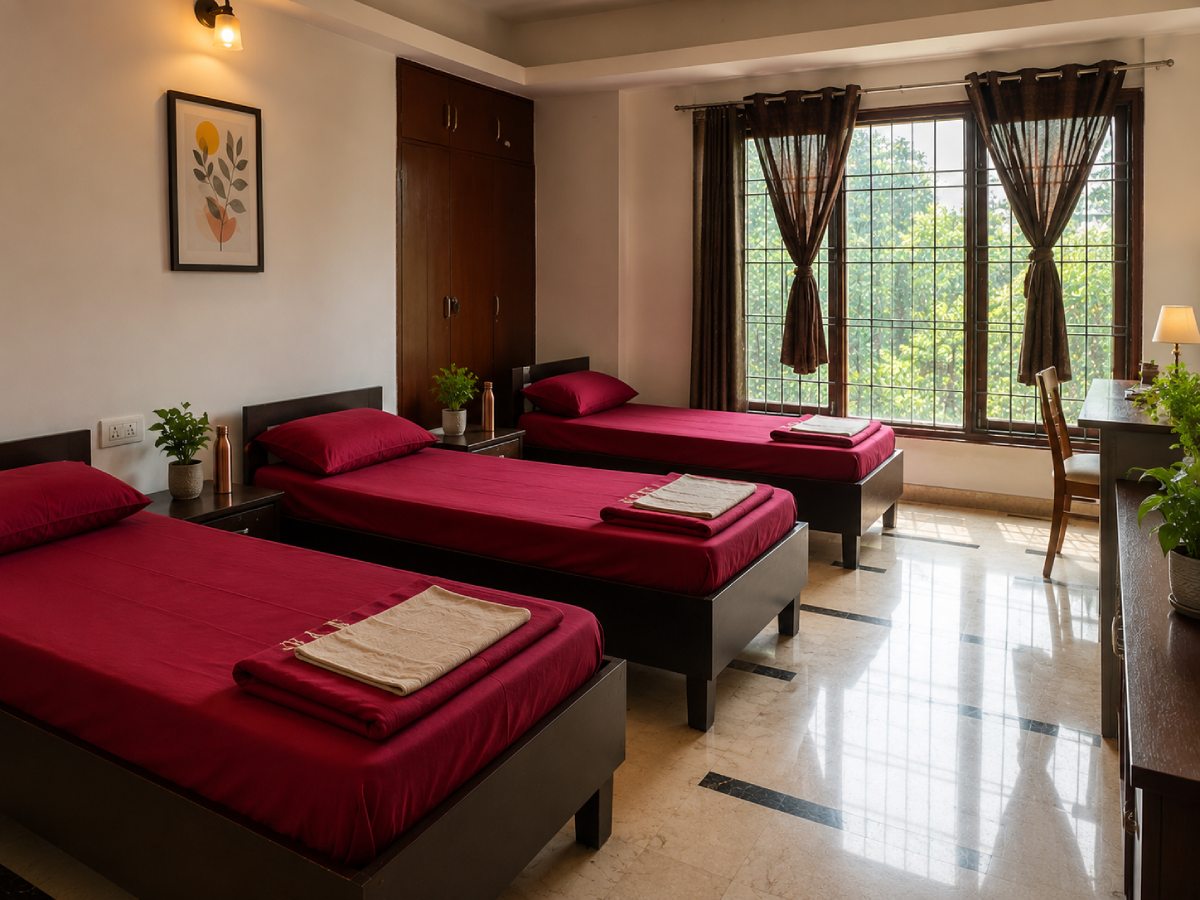
imranShri’s published facilities information describes private and shared accommodation options, therapy spaces, garden areas, dining facilities, and clinical areas. Families from Bulandshahr can enquire about the facilities available at the Noida centre and arrange a visit.
Accommodation Options
Ask about room occupancy, privacy, cleanliness, accessibility, and available accommodation categories.
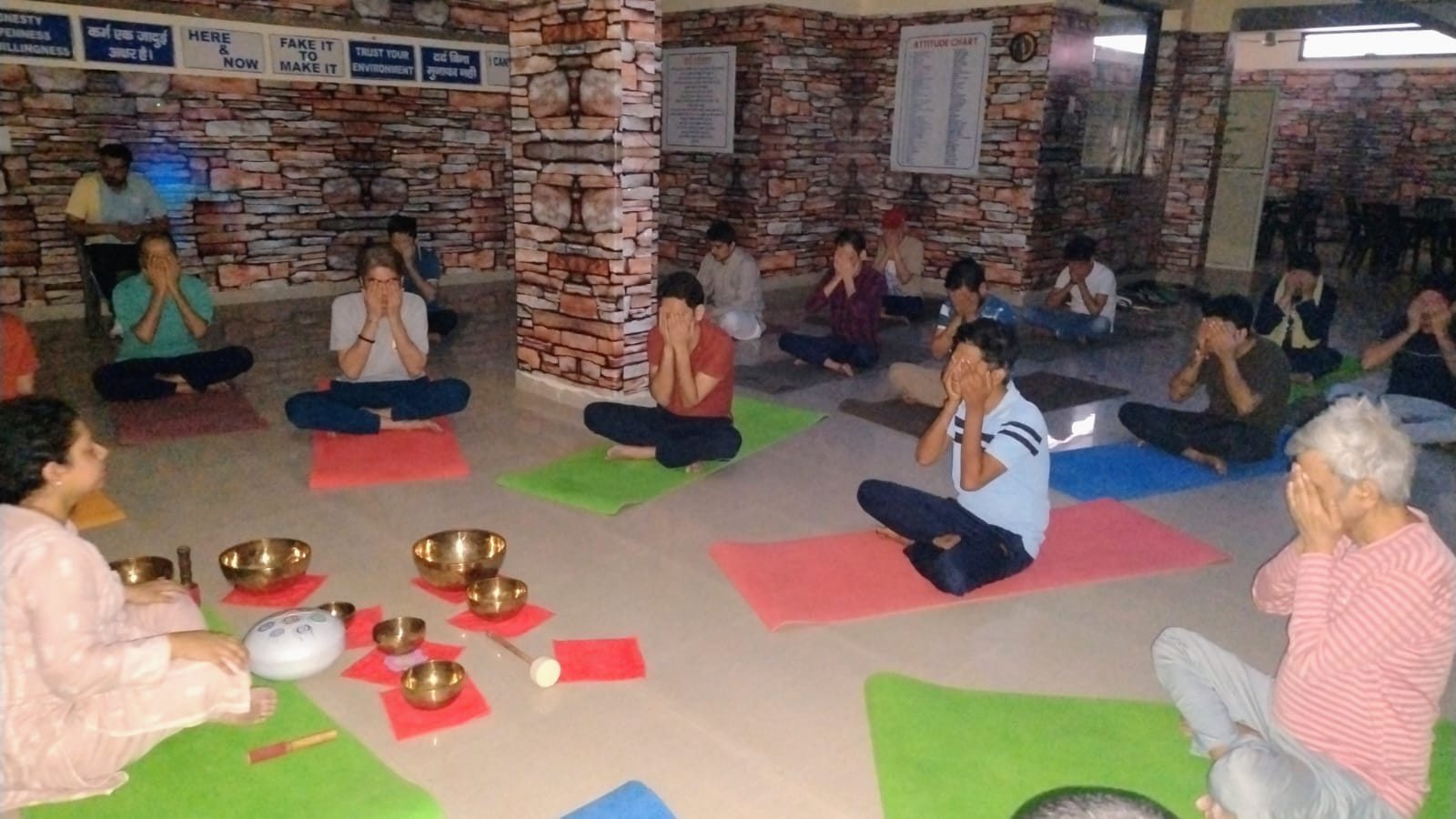
Counselling and Therapy Spaces
Understand the counselling arrangements, therapy services, and treatment facilities included in the selected programme.
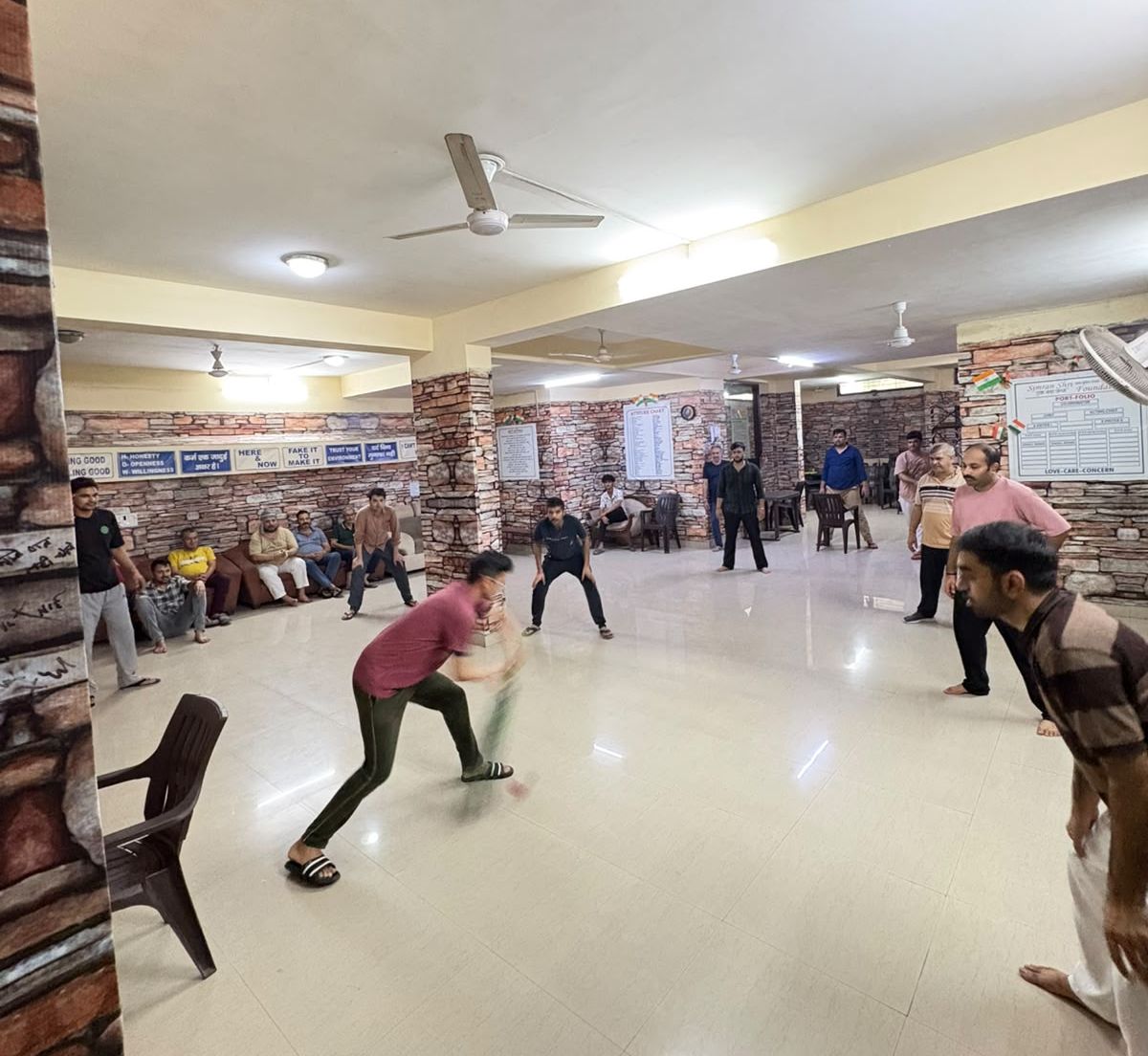
Daily Routine and Activities
Ask about meals, daily schedules, recreational activities, supervision, and personal recovery routines.
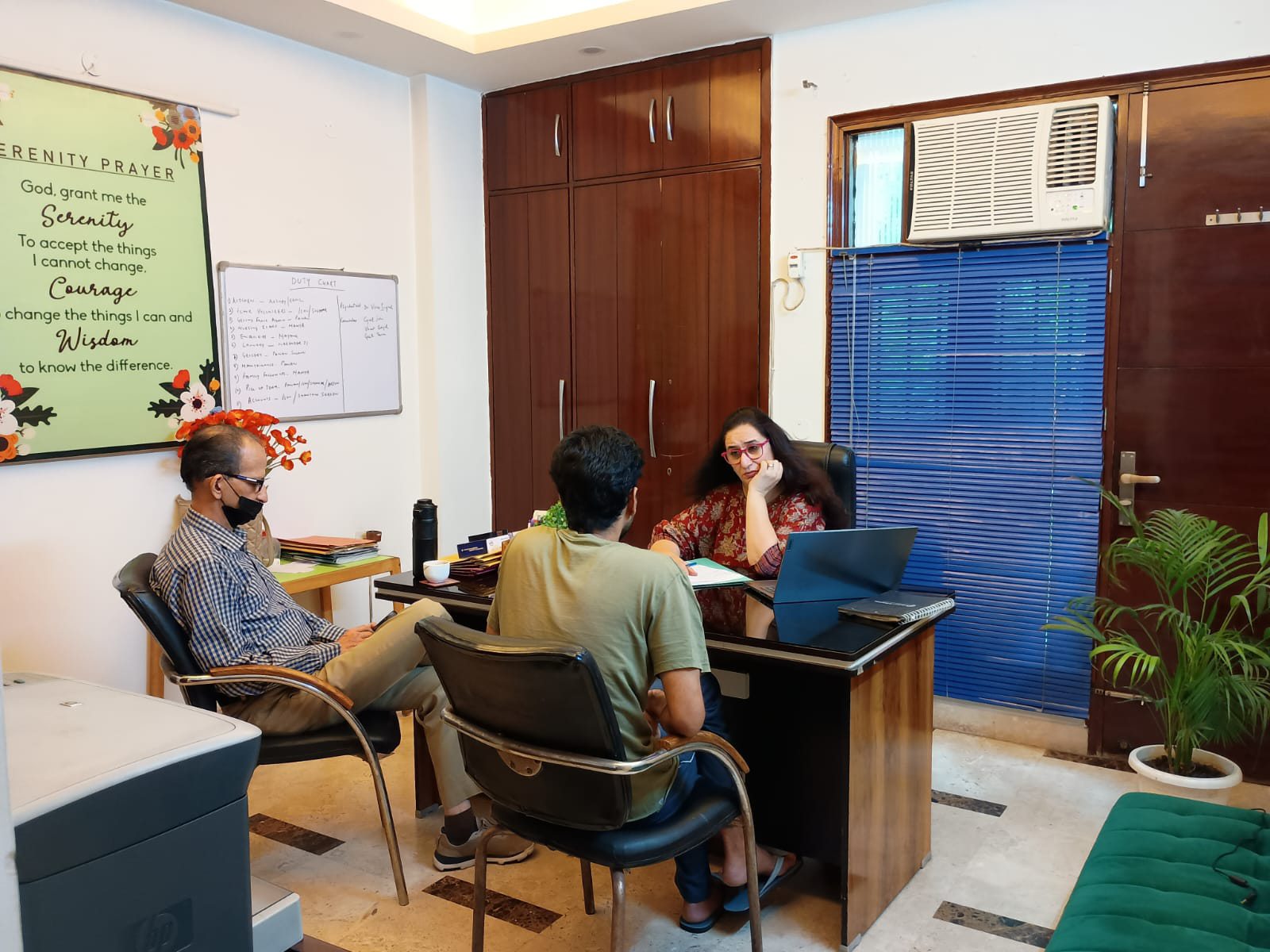
Family Communication
Discuss visiting policies, communication options, privacy, and family participation.
Addiction Specialists, Therapists and Recovery Support

Ms. Geeta Tewari
Founder · Managing Trustee
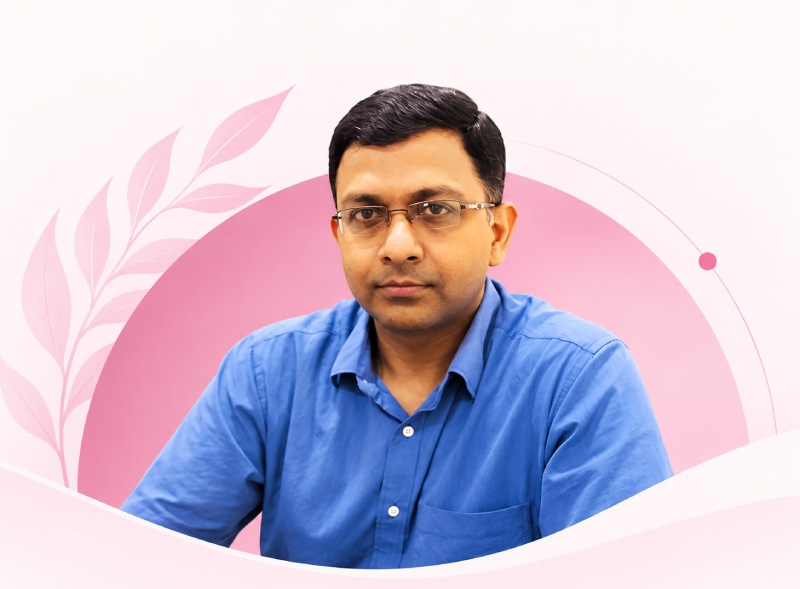
Dr. Vikas Singhal
Psychiatrist

Muskaan Trikha
RCI registered Clinical Psychologist
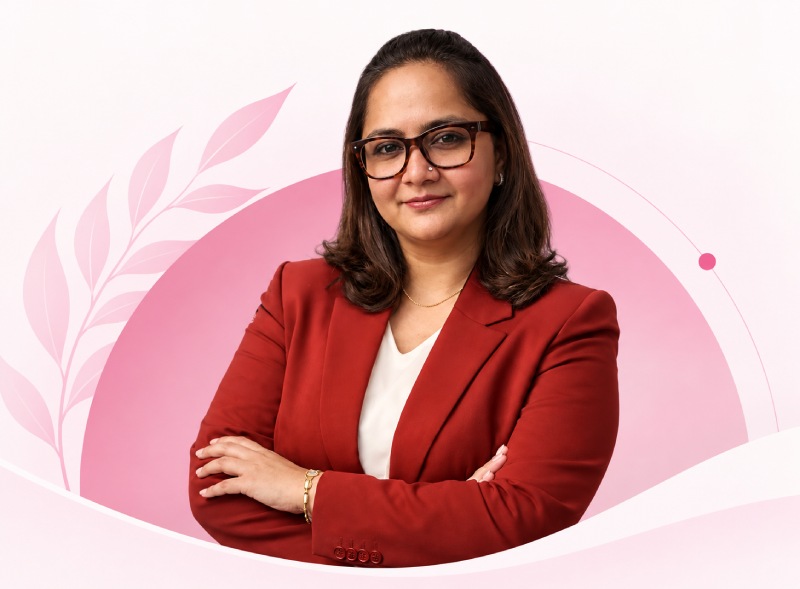
Shreya Sarkar
Mental health professional and holistic wellness practitioner
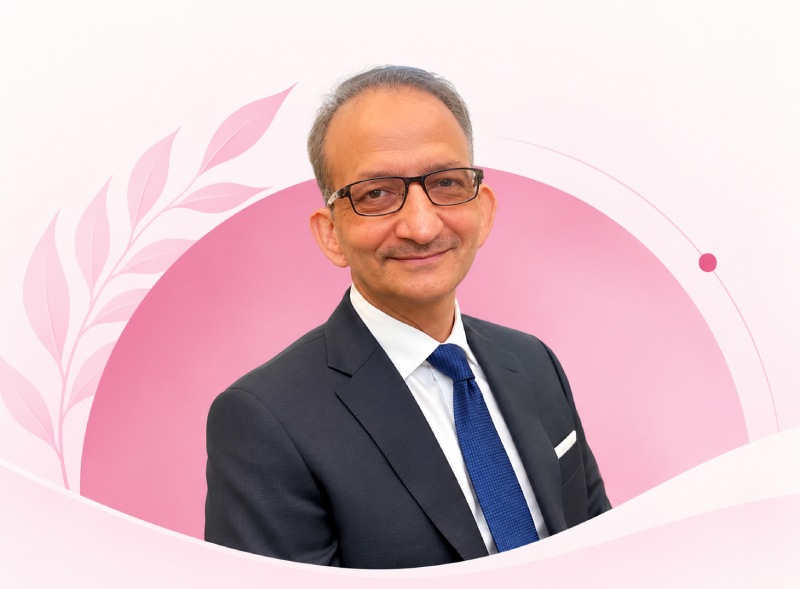
Mr. Vineet Sehgal
Senior Counselling Psychologist
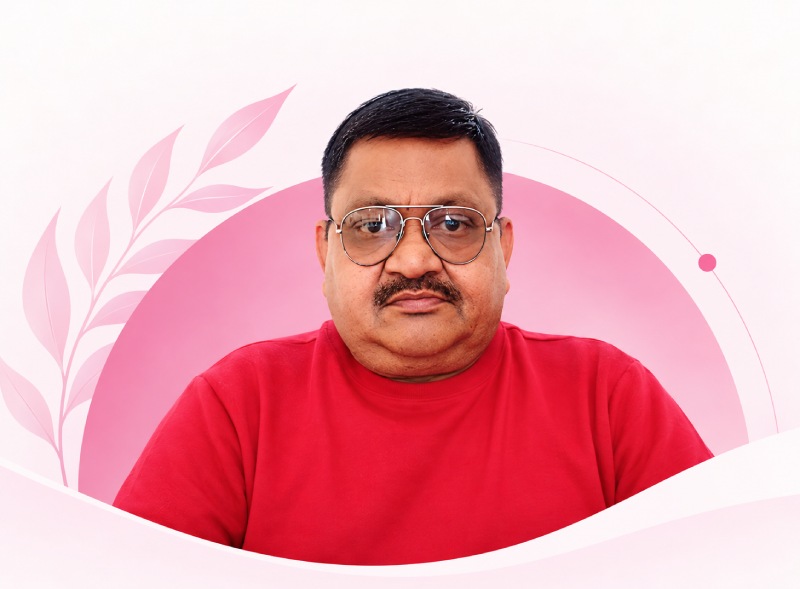
Mr. Cyril John
Visiting Counsellor
How to Choose the Right Nasha Mukti Kendra in Bulandshahr
Selecting a de-addiction centre is an important decision. Families should understand the centre’s actual treatment services, professional qualifications, safety procedures and admission arrangements.
1. Check Government Approval and Registration
Ask whether the centre has the relevant approval or registration for its services and premises. Request supporting documents and verify the issuing authority, validity and scope.
2. Understand the Medical Support Available
Ask who is responsible for medical assessments, withdrawal management, emergency response and psychiatric evaluation.
3. Review Counselling Services
Understand whether the programme includes individual counselling, group sessions, family counselling and behavioural support.
4. Visit the Facility
If residential treatment is being considered, ask about accommodation, hygiene, food, safety arrangements, daily routines and therapy spaces.
5. Ask About Treatment Duration and Fees
Treatment duration and fees may vary according to the individual’s needs, programme type and accommodation. Request a written explanation of the costs and services included.
6. Understand Family Communication
Ask how families receive updates, whether family counselling is available and what communication arrangements apply during treatment.
7. Check Aftercare Support
Ask whether the centre provides follow-up counselling, relapse-prevention planning and continued recovery guidance after discharge.
SimranShri Rehabilitation Centre – De-Addiction Support for Bulandshahr Families
SimranShri Rehabilitation Centre is located in Sector 92, Noida, Uttar Pradesh. It supports individuals and families across North India who are exploring professional addiction treatment and rehabilitation.
The organisation shares the following information about its services and experience:
- Founder: Ms. Geeta Tewari.
- Centre experience: Eight years, as provided by the organisation.
- Staff experience: More than 30 years of combined experience, as provided by the organisation.
- Families supported: More than 2,000 families across North India, as reported by the organisation.
- Approval status: Identifies itself as a government-approved rehabilitation centre.
- Admission process: Confidential enquiries and assessment-based guidance.
- Treatment support: Alcohol addiction, drug addiction, detox and withdrawal management, counselling, family therapy, relapse prevention and aftercare.
Its published programme information also describes activities such as Twelve-Step sessions, journaling, yoga, meditation, life-management sessions and family counselling.
Families should request current approval documentation, staff qualifications, treatment details and facility information before making an admission decision.
Location and Admission Support for Families in Bulandshahr
SimranShri’s listed residential facility is located in Noida, not Bulandshahr. Families from Bulandshahr can contact the admissions team to understand treatment suitability and admission arrangements.
Before travelling, confirm:
- Whether residential admission is appropriate.
- Whether an initial medical assessment is required.
- Documents needed for admission.
- Current programme fees and duration.
- Accommodation and family communication arrangements.
- Whether pickup from Bulandshahr is available.
- Any additional travel or admission charges.
Pickup arrangements should be confirmed directly with the centre rather than assumed.
Centre address:
SimranShri Rehabilitation Centre
A-46, Sector 92
Noida, Uttar Pradesh 201304
India
Phone: +91 99580 24680
Email: help@simranshrirehab.com
Admission Process at SimranShri Rehabilitation Centre
Families can begin with a confidential enquiry to understand the treatment options and admission requirements.
Step 1: Contact the Admissions Team
Call +91 99580 24680 or email help@simranshrirehab.com to explain the individual’s situation and discuss available support.
Step 2: Share Relevant Information
The admissions team may ask about substance-use history, current health, previous treatment and any known medical or psychological concerns.
Step 3: Assessment and Treatment Guidance
The appropriate treatment setting should be determined after assessment. Additional medical or psychiatric evaluation may be necessary depending on the individual’s condition.
Step 4: Confirm Admission Details
Discuss programme options, required documents, fees, accommodation, family communication and travel arrangements.
Step 5: Begin the Recommended Programme
Once clinical suitability and admission arrangements are established, the individual can begin the recommended treatment and rehabilitation process.
For emergencies involving seizures, unconsciousness, severe withdrawal symptoms, chest pain, suicidal thoughts or severe confusion, seek urgent medical care rather than waiting for routine admission.
A Structured Daily Routine Supporting Addiction Recovery
| Time | Alcohol Recovery & Wellness Focus |
|---|---|
| 6:30 AM | Gentle awakening and hydration recovery |
| 7:00 AM | Mindfulness, yoga, or light movement therapy |
| 8:00 AM | Nutritional breakfast supporting detox recovery |
| 9:30 AM | Individual addiction therapy and counselling |
| 11:30 AM | Group recovery sessions and psychoeducation |
| 1:00 PM | Structured lunch and restorative downtime |
| 3:00 PM | Wellness activities, fitness, or emotional processing |
| 5:00 PM | Relapse prevention and coping strategy work |
| 7:00 PM | Supportive communal dinner and peer connection |
| 8:30 PM | Evening reflection and sleep recovery preparation |
Evidence-Based Addiction Treatment & Recovery Therapies
Clinical & Therapeutic Care
| Therapy / Support | Clinical Purpose | Approach |
|---|---|---|
| Psychiatric Consultation | Professional assessment and clinical guidance based on the individual’s mental health, addiction, and recovery needs. | As required |
| Individual Counselling | Helps individuals understand their challenges, recognise unhealthy patterns, develop coping strategies, and work towards healthier choices. | Regular sessions |
| Group Counselling | Encourages shared learning, communication, accountability, and peer support within a structured recovery environment. | Regular sessions |
| Family Counselling | Helps families understand addiction and mental health challenges while improving communication, understanding, and supportive relationships. | As required |
| 12-Step Recovery Support | Provides a structured recovery framework that encourages accountability, self-reflection, responsibility, and continued recovery-focused habits. | Ongoing |
Complementary & Holistic Support
Yoga & Mindfulness
Supportive practices that encourage relaxation, self-awareness, emotional balance, and healthier daily routines throughout the recovery journey.
Meditation
Guided practices that encourage calmness, reflection, greater awareness of thoughts and emotions, and a more balanced daily routine.
Art Therapy
A creative and supportive space for self-expression and emotional exploration as part of the broader rehabilitation and recovery process.
Whole-Person Recovery
Our approach looks beyond addiction or individual symptoms by supporting emotional wellbeing, relationships, healthy routines, personal growth, and long-term recovery.
Transparent Addiction Recovery Outcomes & Clinical Support
83%
Verified addiction recovery assessments
2,000+
Families Treated
4.9/5
Facility Trust Score
2:1
Clinical Oversight Ratio
Frequently Asked Questions About Nasha Mukti Kendra in Bulandshahr
What is a Nasha Mukti Kendra?
A Nasha Mukti Kendra is a de-addiction and rehabilitation facility that provides support to individuals experiencing alcohol or drug dependence. Services may include assessment, withdrawal management, counselling, behavioural support, family involvement and aftercare.
Does SimranShri have a Nasha Mukti Kendra in Bulandshahr?
SimranShri’s listed residential facility is located at A-46, Sector 92, Noida, Uttar Pradesh. It accepts enquiries from families across North India, including Bulandshahr, but does not list a physical branch in Bulandshahr.
What addictions are treated at SimranShri?
The centre lists support for alcohol addiction, drug addiction and other substance-use concerns. Families should contact the admissions team to confirm the currently available treatment programme and clinical suitability.
Is detoxification necessary for every person?
No. Detoxification depends on the substance involved, withdrawal risks and the individual’s health. A qualified healthcare professional should determine whether supervised withdrawal management is required.
How long does treatment at a Nasha Mukti Kendra take?
Treatment duration varies according to the severity of dependence, health, psychological needs and progress. The appropriate duration should be discussed after individual assessment.
Is residential treatment better than outpatient treatment?
Neither option is automatically suitable for everyone. Residential treatment may be considered when a person needs a structured environment or greater supervision. Outpatient support may be appropriate for individuals who can safely attend scheduled treatment while living at home.
Does SimranShri provide family counselling?
Family counselling is included among the centre’s listed support services. Families can contact the admissions team to understand the current arrangements and how relatives can participate.
What is the Twelve-Step Programme?
The Twelve-Step Programme is a structured recovery approach that encourages self-reflection, personal responsibility, peer support and continued recovery work. SimranShri’s published information includes Twelve-Step sessions among its activities.
Can a person recover from addiction completely?
Recovery is possible, but the process differs for each individual. Ongoing support, appropriate treatment, healthy routines and relapse-prevention planning may help individuals maintain progress. No centre should guarantee a particular outcome.
Is admission confidential?
SimranShri offers confidential admission enquiries. Families should ask the centre about privacy practices, consent procedures and the handling of personal information.
What documents are needed for admission?
Families should request the centre’s current document checklist. Identification documents, relevant medical records, prescriptions and family contact information may be required.
Can families from Bulandshahr arrange pickup?
Pickup availability should be confirmed directly with the admissions team. Ask whether pickup from your specific location is possible and whether additional charges apply.
How much does a Nasha Mukti Kendra cost?
Treatment fees vary according to programme duration, accommodation, treatment requirements and other services. Contact SimranShri for current fees and a clear breakdown of included services.
Does SimranShri provide support after discharge?
The centre’s published information describes post-discharge counselling, family counselling and AA/NA meeting support. Confirm the current aftercare arrangements directly with the admissions team.
How can I contact SimranShri Rehabilitation Centre?
Call +91 9958024680 or email help@simranshrirehab.com. You can also visit the official contact page.
Take the First Step Towards a Healthier Life
Addiction can affect physical health, emotional well-being and family relationships. Seeking professional support can help individuals understand their treatment options and begin working towards recovery.
If you are searching for a Nasha Mukti Kendra in Bulandshahr, contact SimranShri Rehabilitation Centre to discuss available de-addiction and rehabilitation support from its Noida facility.
Full address
SimranShri Rehabilitation Centre
A-46, Sector 92
Noida, Uttar Pradesh 201304
India
Hours
Admissions desk — 24 hours, 7 days
Office & visits — 9:00 AM to 8:00 PM
Useful next pages for Bulandshahr families.
Talk to admissions before the situation escalates.
The call is confidential. The team will explain clinical fit, admission timing, cost, travel, documents, and family involvement.