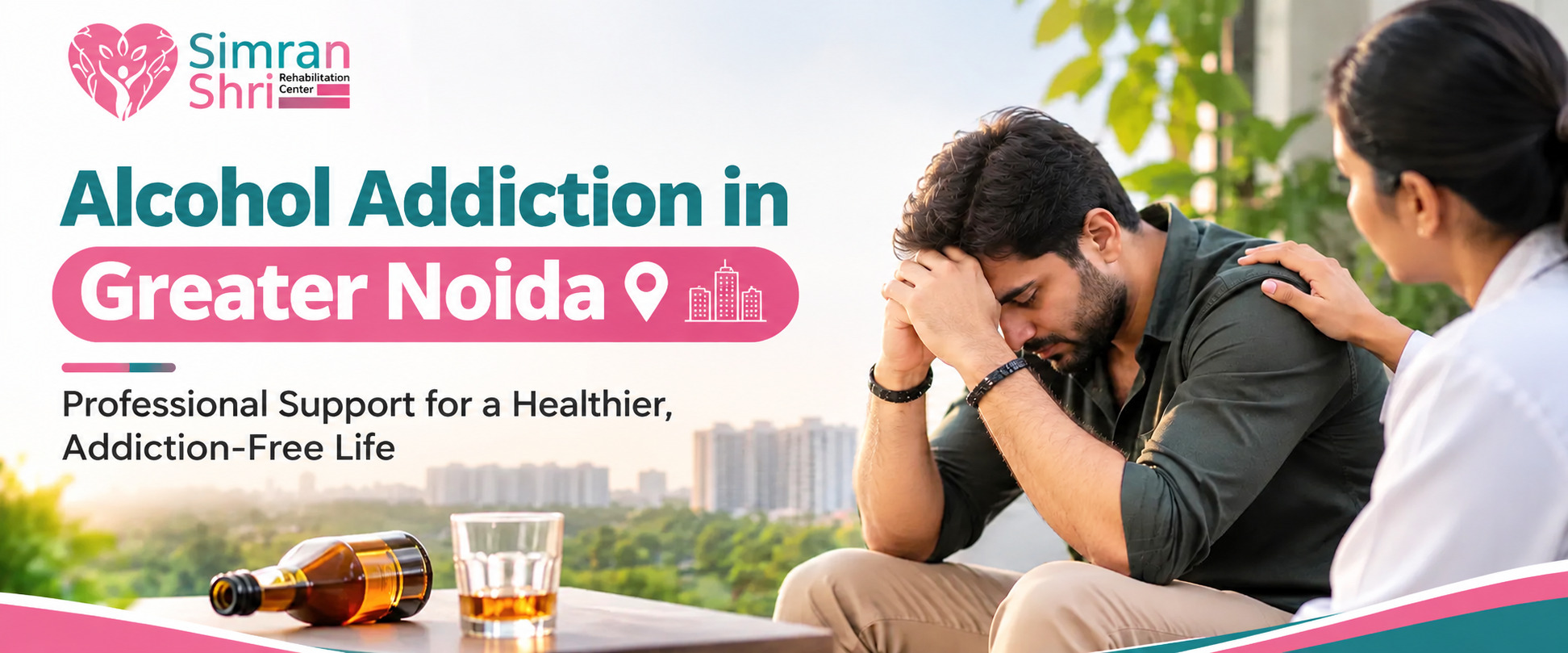

Many people struggling with alcohol use make sincere promises to stop drinking. They may decide to quit after a family argument, a health concern, or a difficult experience at work. However, after a few days or weeks, the urge to drink may return, and the same pattern begins again. For families, watching a loved one repeatedly struggle can be emotionally exhausting.
When drinking becomes difficult to control, it may be a sign that professional support is needed. Alcohol Addiction in Noida is an important concern for individuals and families seeking reliable information about treatment, recovery, and long-term well-being.
Alcohol dependence is not simply a lack of willpower. Changes in the brain, emotional stress, physical dependence, and environmental triggers can make quitting challenging. Understanding these factors can help families respond with patience rather than blame.
At SimranShri Rehabilitation Centre in Noida, individuals and families can enquire about addiction-related support, counselling, and rehabilitation services. Recognising the problem early and seeking an appropriate professional assessment can help people explore the next steps towards recovery.
Why Do Promises to Stop Drinking Often Fail?
A person may genuinely want to stop drinking but find it difficult to maintain that decision. Several factors can contribute to repeated attempts to quit.
1. Alcohol Cravings Become Difficult to Manage
Regular alcohol consumption can lead to strong cravings and changes in drinking behaviour. A person may experience urges in familiar situations, such as after work, during social gatherings, or when dealing with stress.
Even after deciding to stop, these triggers can make it difficult to maintain progress. Professional counselling can help individuals recognise their triggers and develop healthier ways to respond to them.
2. Alcohol Becomes a Way to Cope with Stress
Some people use alcohol to manage anxiety, loneliness, sadness, or work-related pressure. Although drinking may temporarily change how they feel, it does not resolve the underlying problem.
Over time, relying on alcohol for emotional relief can create a repeated cycle of stress, drinking, regret, and renewed promises to quit. Treatment may need to address both alcohol use and the emotional difficulties associated with it.
3. Physical Dependence Makes Quitting More Complicated
With prolonged or heavy alcohol use, the body may become physically dependent on alcohol. When consumption is reduced or stopped, withdrawal symptoms can occur.
These symptoms may include sweating, shaking, nausea, anxiety, and disturbed sleep. Severe withdrawal can cause seizures, hallucinations, or confusion and may become life-threatening.
Anyone who may be physically dependent on alcohol should seek medical advice before stopping suddenly. Medically supervised withdrawal management may be necessary to reduce risks.
4. Family Pressure Alone May Not Be Enough
Family members often try different approaches, including repeated conversations, promises, warnings, and emotional appeals. Although their concern is understandable, pressure alone may not address the causes of addiction.
A more effective approach is to encourage an honest conversation with a qualified professional. Family counselling can also help relatives establish healthy boundaries and support recovery without taking responsibility for every aspect of the person’s behaviour.
When Should You Consider Professional Help for Alcohol Addiction in Noida?
Not everyone who drinks alcohol needs residential rehabilitation. However, a professional assessment is important when drinking begins to affect health, relationships, safety, or everyday responsibilities.
Consider seeking help if you notice the following signs:
- Repeatedly trying to stop drinking but returning to alcohol use.
- Drinking more frequently or in larger quantities than intended.
- Experiencing strong cravings or difficulty controlling alcohol consumption.
- Neglecting work, family responsibilities, or personal health.
- Continuing to drink despite relationship problems or other harmful consequences.
- Experiencing withdrawal symptoms when alcohol consumption decreases.
- Using alcohol regularly to cope with emotional distress.
These signs do not replace a clinical diagnosis. A qualified healthcare professional can assess the severity of the problem and recommend an appropriate level of care.
For families researching Alcohol Addiction in Noida, seeking advice early can help clarify whether outpatient counselling, medical treatment, structured rehabilitation, or a combination of services may be suitable.
What Treatment Options Can Help?
Recovery plans should be based on the individual’s drinking pattern, physical health, mental health, and personal circumstances. There is no single treatment approach that works for everyone.
Medical Assessment and Withdrawal Management
A medical assessment helps identify physical dependence, withdrawal risks, and other health concerns. When required, medically supervised detoxification can help manage withdrawal safely.
Detoxification is only one part of treatment. It does not, by itself, address the emotional, behavioural, and social factors that can contribute to continued alcohol use.
De-Addiction Counselling
Counselling can help individuals understand their drinking patterns, recognise triggers, set realistic recovery goals, and practise healthier coping strategies.
People who also experience drug-related problems may need an assessment for Drug Addiction in Noida and a treatment plan appropriate to the substances involved.
Psychological and Psychiatric Support
Alcohol-related difficulties may occur alongside anxiety, depression, sleep problems, or other mental health concerns. Where appropriate, psychiatric assessment and psychological support can help address these needs.
Families should ask which qualified professionals are involved in treatment and how care is coordinated.
Family Therapy and Relapse Prevention
Family therapy can improve communication and help relatives understand how to support recovery. Relapse prevention planning may include identifying high-risk situations, managing cravings, building healthier routines, and arranging follow-up support.
Individuals experiencing cocaine or other substance-related problems may also require specialised assessment, including consideration of Cocaine Addiction Treatment in Noida when relevant.
How to Choose a Rehab Centre in Noida
Selecting a rehabilitation facility requires more than comparing advertisements or promises. Families should examine the services offered, professional qualifications, safety arrangements, costs, and plans for continued care.
When evaluating a Rehab Centre in Noida, consider the following:
- Qualified professionals: Ask about medical supervision, psychiatric support, counselling qualifications, and the responsibilities of each team member.
- Individual treatment planning: Confirm whether assessments and care plans are tailored to the person’s needs.
- Safe living conditions: Check cleanliness, hygiene, emergency procedures, supervision, and medication management.
- Transparent fees: Ask what admission charges cover and whether medicines, medical consultations, or other services incur additional costs.
- Family communication: Understand how progress updates, family sessions, and visiting arrangements are managed.
- Aftercare planning: Ask how the centre supports continued recovery after discharge.
A well-managed facility should also maintain appropriate sanitation, responsible waste disposal, fire safety arrangements, and compliance with applicable building, environmental, and healthcare requirements. Families can request relevant information rather than relying solely on promotional claims.
Professional Support at SimranShri Rehabilitation Centre
SimranShri Rehabilitation Centre is based at A-46, Block A, Sector 92, Noida, Uttar Pradesh 201304. Founded by Ms. Geeta Tewari, the centre reports eight years of experience, more than 30 years of combined staff experience, and support for over 2,000 families across North India.
The centre describes itself as government-approved. Families should independently verify relevant approvals, registrations, and professional credentials when assessing a facility.
The professionals identified by the centre include:
- Dr. Vikas Singhal — Psychiatrist
- Muskaan Trikah — RCI Registered Clinical Psychologist
- Shreya Sarkar — Mental Health Professional and Holistic Wellness Practitioner
- Mr. Vineet Sehgal — Senior Counselling Psychologist
- Mr. Cyril John — Visiting Counsellor
Families should confirm each professional’s current availability and involvement in the proposed care plan before admission.
Services listed by SimranShri Rehabilitation Centre include alcohol addiction treatment, drug addiction treatment, detox and withdrawal management, de-addiction counselling, family therapy, and relapse prevention and aftercare. The suitability and availability of individual services should be discussed directly with the centre.
For confidential admission enquiries, call +91 9958024680 or email help@simranshrirehab.com. Fee information is available at https://simranshrirehab.com/cost-of-rehab-india/.
People searching for a Nasha Mukti Kendra in Noida or a Nasha Mukti Kendra Near me should compare facilities carefully and confirm that the services offered match their medical and psychological needs.
Conclusion
Repeated promises to stop drinking do not necessarily mean that a person lacks motivation. Cravings, physical dependence, emotional difficulties, and environmental triggers can all make recovery challenging. When alcohol begins to affect health, work, relationships, or daily responsibilities, professional assessment is an important step.
For those exploring Alcohol Addiction in Noida, the priority should be finding appropriate care based on individual needs, professional expertise, safety, and continued support.
SimranShri Rehabilitation Centre provides information and admission enquiries for addiction-related support in Noida and across North India. Families can contact the centre to discuss available services and understand the next steps.
Recovery may take time, but seeking help can open the door to healthier choices, improved relationships, and a more stable future.
Frequently Asked Questions
1. Why can’t someone stop drinking even after promising to quit?
Alcohol dependence, cravings, withdrawal symptoms, emotional stress, and familiar drinking triggers can make quitting difficult. Professional assessment can help identify the reasons and determine suitable treatment options.
2. When should someone seek help for Alcohol Addiction in Noida?
Professional help should be considered when drinking becomes difficult to control, affects daily responsibilities, damages relationships, or causes health concerns. Possible withdrawal symptoms require particular attention.
3. Is detoxification enough to recover from alcohol addiction?
No. Detoxification can help manage withdrawal, but ongoing treatment may also involve counselling, mental health support, relapse prevention, and follow-up care.
4. How do I choose a reliable Nasha Mukti Kendra in Noida?
Check professional qualifications, medical supervision, treatment methods, safety arrangements, fee transparency, relevant approvals, and aftercare planning. Confirm the services available before admission.
5. How can I contact SimranShri Rehabilitation Centre?
For admission enquiries, contact SimranShri Rehabilitation Centre at +91 9958024680 or email help@simranshrirehab.com. The centre is located in Sector 92, Noida, Uttar Pradesh.