Recovery from addiction is often described as a decision to quit alcohol or drugs. In reality, the journey is much more complex. It can involve physical withdrawal, emotional challenges, strained family relationships, changes in daily routines, and the gradual rebuilding of confidence. These experiences are rarely discussed openly, yet understanding them is an important part of seeking the right support.
For individuals and families exploring a Rehab Centre in Delhi, knowing what treatment involves can make the decision less overwhelming. Professional rehabilitation focuses on more than stopping substance use. It can also address psychological well-being, behavioural patterns, family relationships, and the risk of relapse.
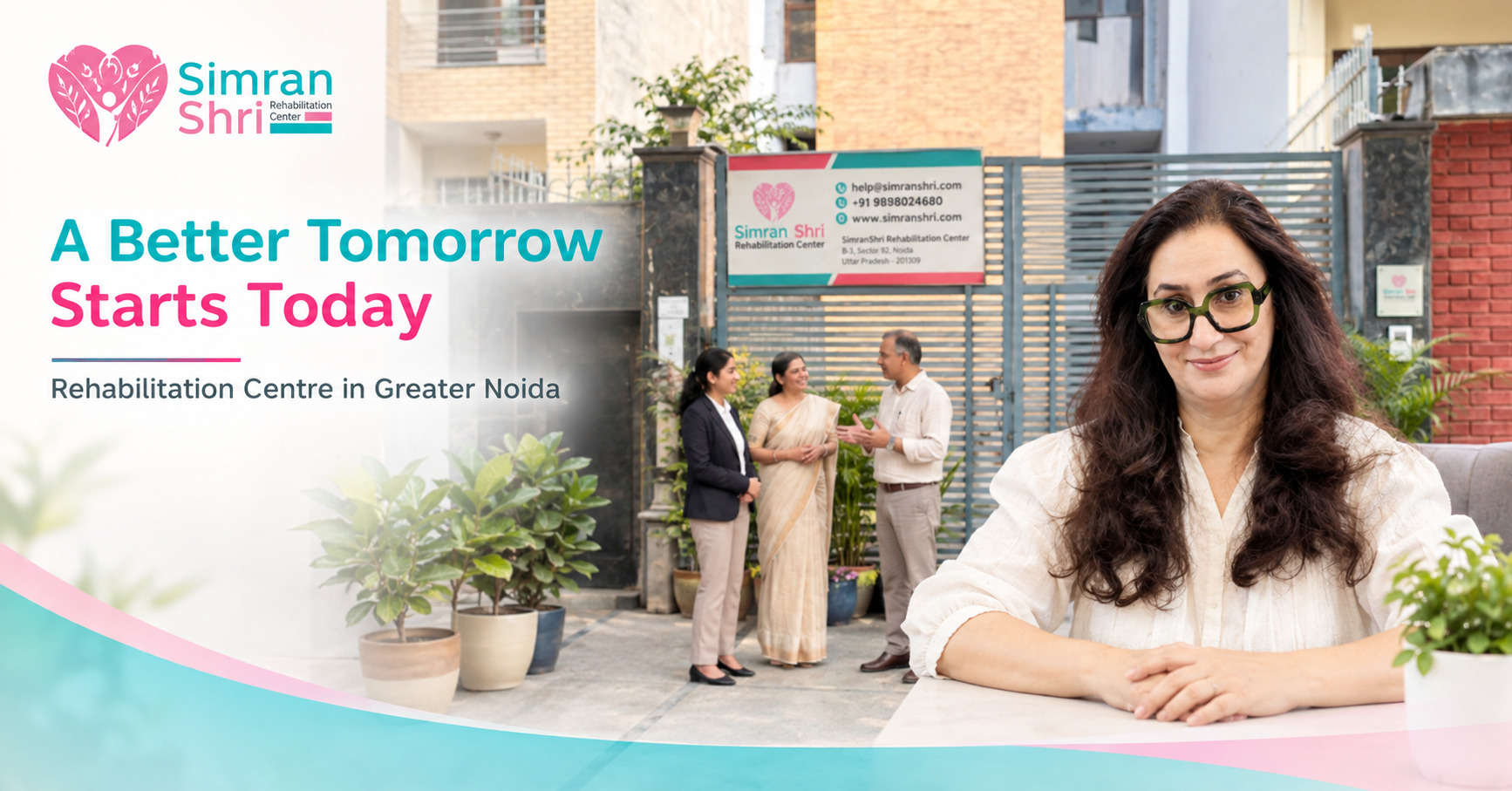
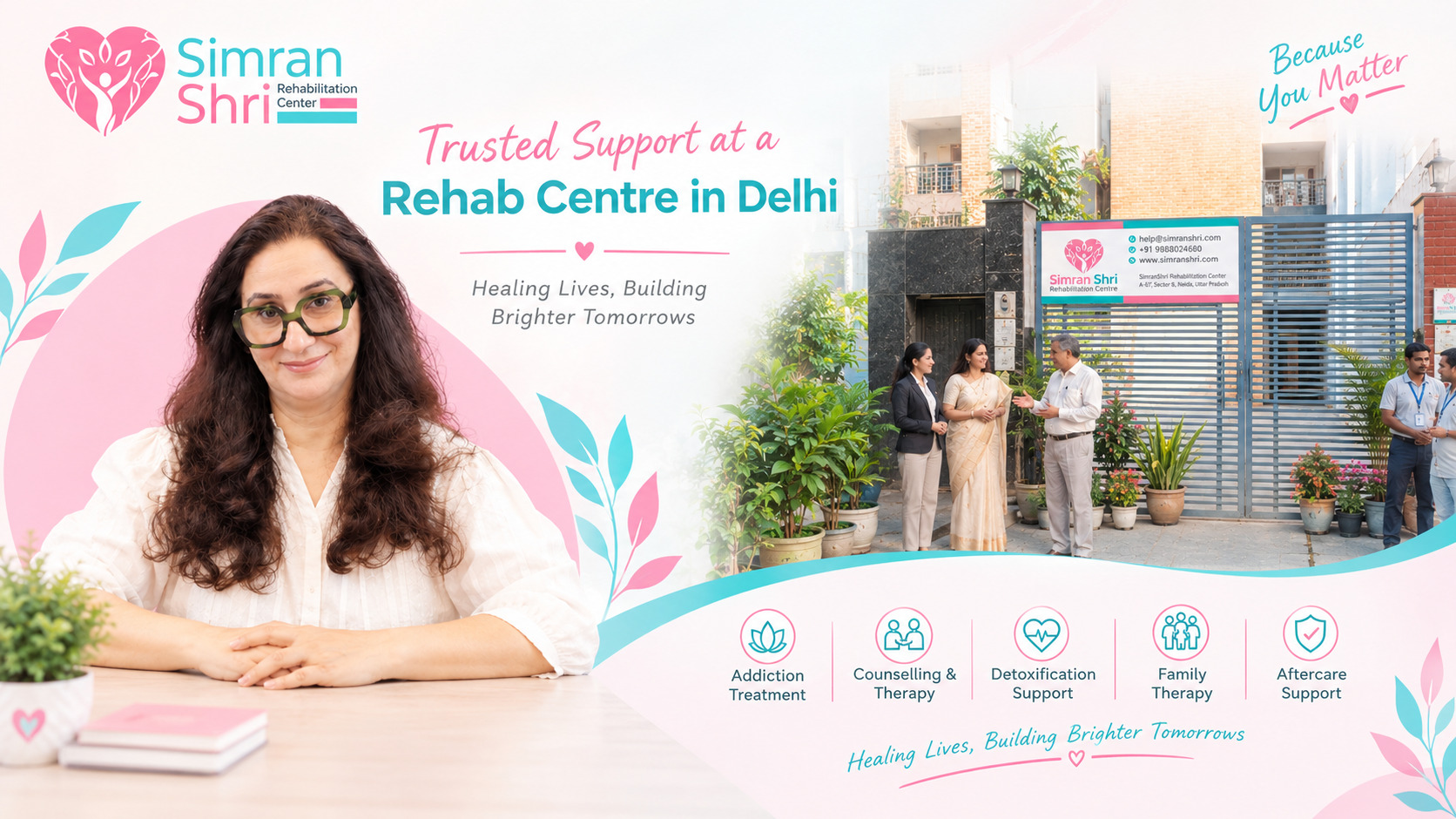
SimranShri Rehabilitation Centre, located in Sector 92, Noida, provides addiction recovery support for individuals and families across North India. Founded by Ms. Geeta Tewari, the centre reports eight years of experience and having supported more than 2,000 families. Its approach includes addiction treatment, counselling, detoxification support, family therapy, and aftercare.
Why the Recovery Journey Is More Than Quitting Addiction
Addiction can affect the brain, physical health, decision-making, relationships, and everyday responsibilities. A person may genuinely want to stop using a substance but struggle with cravings, withdrawal symptoms, stress, or situations associated with previous use.
This is why recovery should not be viewed simply as a test of willpower. Substance use disorders can require structured treatment, professional assessment, and continued support.
A suitable rehabilitation programme may help individuals:
- Understand the physical and psychological effects of substance use.
- Manage withdrawal symptoms under appropriate medical supervision.
- Recognise emotional and environmental triggers.
- Develop healthier ways to cope with stress.
- Rebuild communication and trust with family members.
- Establish routines that support long-term recovery.
Choosing a Rehab Centre in Delhi or the surrounding NCR region should therefore involve looking beyond promises of quick results. The quality of assessment, availability of qualified professionals, individual treatment planning, and continuity of care are all important considerations.
What Happens During Rehabilitation?
Every recovery journey is different. Treatment depends on the substance involved, the duration and severity of use, physical health, mental health, and the individual’s circumstances.
1. Initial Assessment and Confidential Admission
The process generally begins with an assessment of substance use history, previous treatment, medical concerns, psychological needs, and available family support. This information helps the treatment team determine the appropriate level of care.
Confidentiality is especially important because fear of social judgement can prevent people from seeking help. Before admission, families should ask how personal information is protected, who can access records, and how consent is managed.
At SimranShri Rehabilitation Centre, admission enquiries can be made at +91 9958024680. Families should discuss the assessment process, treatment arrangements, costs, and applicable policies before making a decision.
2. Detoxification and Withdrawal Management
Detoxification may be necessary when a person stops using alcohol or certain drugs. Withdrawal can involve anxiety, sweating, nausea, sleep disturbances, tremors, and other symptoms. In some cases, withdrawal can become life-threatening.
Alcohol withdrawal is particularly important to assess medically because severe symptoms can include seizures and delirium. Withdrawal from other substances can also require clinical supervision, depending on the circumstances.
A responsible Rehab Centre in Delhi should explain who provides medical oversight, how emergencies are managed, and whether hospital referral is available when required. Detoxification alone is not a complete treatment for addiction; psychological care and continuing recovery support may also be needed.
3. Counselling and Psychological Support
After the initial stabilisation phase, counselling can help individuals understand the factors contributing to substance use. These may include stress, difficult experiences, peer pressure, emotional distress, or habitual responses to challenging situations.
Clinical psychologists and counselling professionals may use evidence-based approaches, including cognitive behavioural techniques, motivational interventions, and relapse-prevention planning, according to individual needs.
The professional team listed by SimranShri Rehabilitation Centre includes Dr. Vikas Singhal (Psychiatrist); Muskaan Trikah (RCI-registered Clinical Psychologist); Shreya Sarkar (Mental health professional and holistic wellness practitioner); Mr. Vineet Sehgal (Senior Counselling Psychologist); and Mr. Cyril John (Visiting counsellor). Families should confirm each professional’s current role, availability, and scope of practice when discussing treatment.
Understanding Addiction Treatment Needs in Delhi
Delhi and the wider National Capital Region include people from diverse social, professional, and family backgrounds. Work pressure, relationship difficulties, social drinking patterns, and the availability of addictive substances can complicate recovery for some individuals. However, addiction can affect people from any background, and treatment decisions should be based on individual needs rather than assumptions.
Alcohol Addiction in Delhi
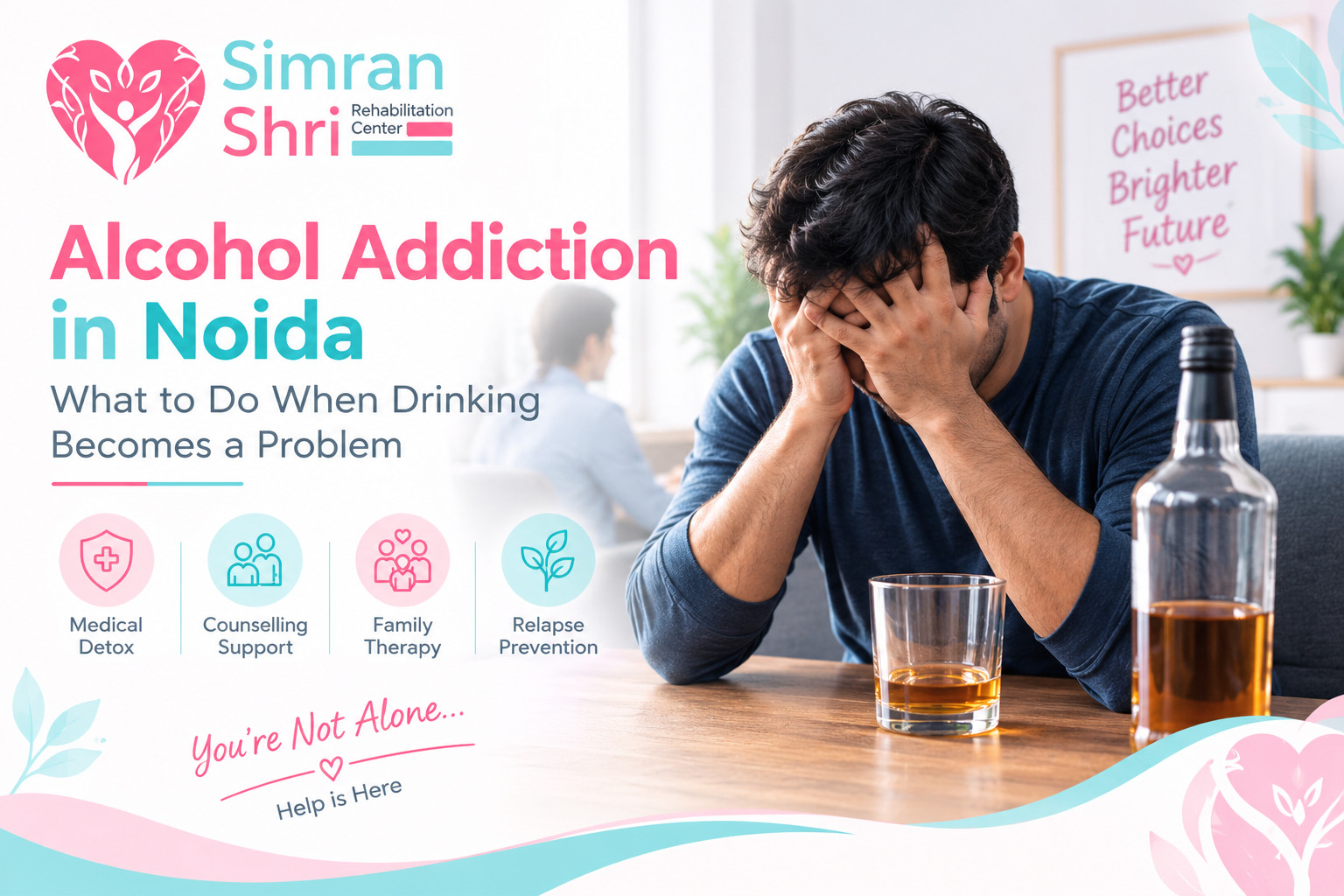
Alcohol dependence can develop gradually. What begins as occasional drinking may become difficult to control, particularly when alcohol is used to cope with anxiety, stress, or sleep difficulties.
Treatment may involve medical assessment, supervised withdrawal when necessary, counselling, and ongoing support. People who have developed physical dependence should seek medical advice before abruptly stopping alcohol.
Drug Addiction in Delhi
Drug addiction can involve different substances, each with distinct effects and treatment considerations. Assessment should identify the substance used, possible interactions, withdrawal risks, and any co-occurring mental health concerns.
A comprehensive programme may combine medical care, psychological interventions, structured daily activities, and continuing support after discharge.
Cocaine Addiction Treatment in Delhi
Cocaine use can contribute to sleep disruption, anxiety, cardiovascular complications, and changes in mood or behaviour. Some individuals also experience strong cravings and low mood after stopping.
Cocaine addiction treatment may include clinical assessment, behavioural therapies, support for co-occurring conditions, and a plan for managing triggers. There is no single treatment suitable for everyone, making individual assessment essential.
How Family Therapy Supports Long-Term Recovery
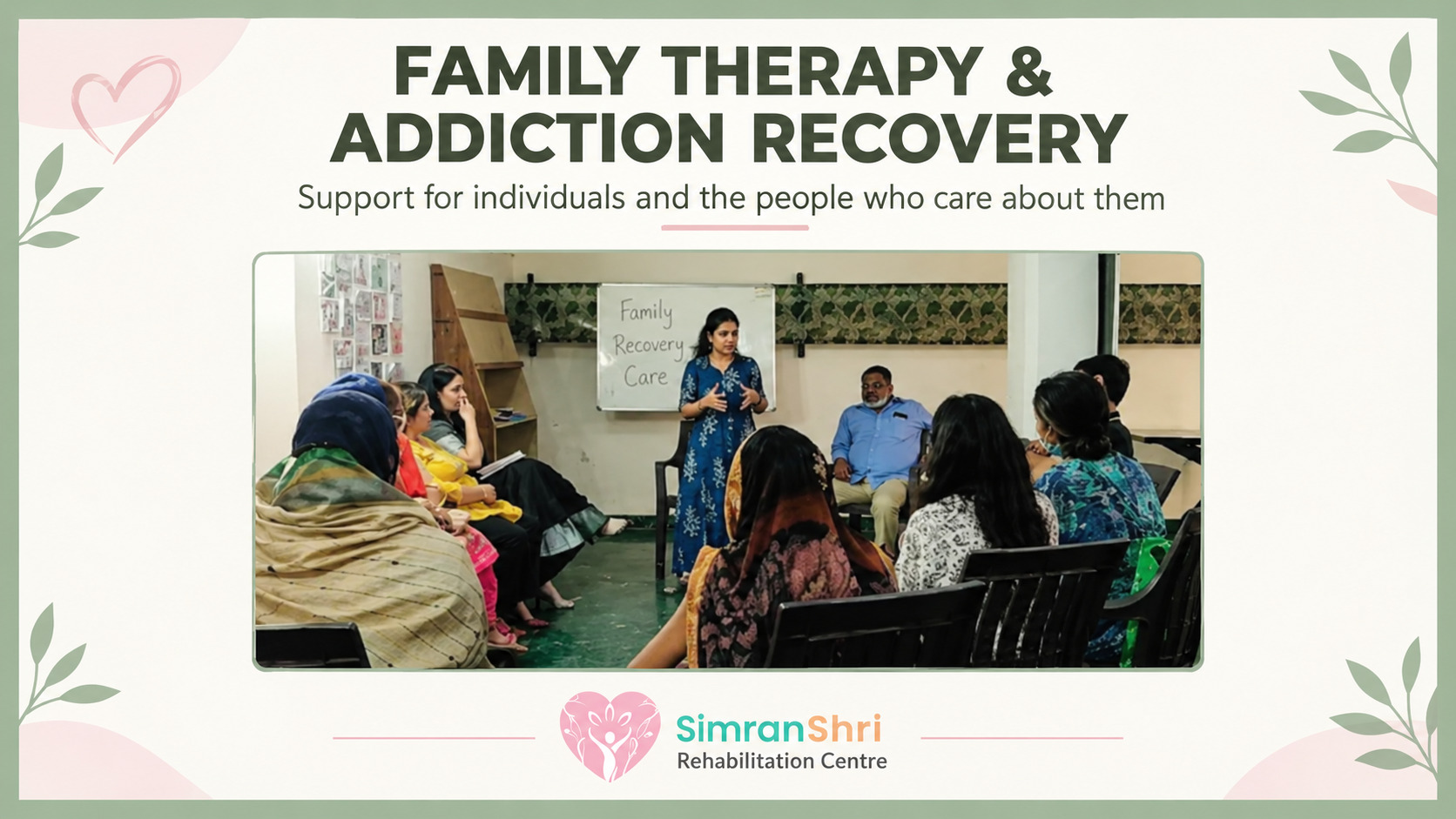
Addiction often affects the entire household. Family members may experience worry, frustration, financial pressure, or uncertainty about how to help. Meanwhile, the individual in recovery may struggle with guilt, embarrassment, or fear of rejection.
Family therapy can provide a structured setting to improve communication, establish healthier boundaries, and identify practical ways to support recovery without enabling harmful behaviour.
Families can contribute by encouraging treatment attendance, recognising warning signs, supporting healthy routines, and responding to setbacks constructively. Recovery should remain a collaborative process that respects the individual’s dignity and appropriate privacy.
A Nasha Mukti Kendra in Delhi or nearby NCR should explain whether family counselling is available, how sessions are arranged, and how relatives can participate with the individual’s consent.
Finding a Nasha Mukti Kendra Near Me: What Should You Check?
Searching online for a Nasha Mukti Kendra Near me can produce many options, but proximity alone should not determine the decision.
Before selecting a facility, consider these questions:
- Medical supervision: Is a qualified medical professional involved in assessing withdrawal risks?
- Professional qualifications: Are staff credentials, responsibilities, and relevant registrations clearly explained?
- Individualised care: Does the programme consider medical history, psychological needs, and substance use patterns?
- Safety and hygiene: Are accommodation, sanitation, medication management, and emergency arrangements appropriate?
- Transparent fees: Are admission charges, treatment costs, additional expenses, and refund policies explained?
- Aftercare: Is there a documented plan for counselling, follow-up, and relapse prevention?
- Confidentiality: Are privacy practices and consent procedures clearly communicated?
Families should also ask about the facility’s applicable registrations, approvals, and regulatory responsibilities. Environmental and public-health practices matter too. A responsible centre should maintain clean living areas, safe sanitation, appropriate disposal of biomedical waste where applicable, and compliance with relevant local requirements. These practices should be verified rather than assumed.
Although SimranShri Rehabilitation Centre is based in Noida rather than central Delhi, its location may be worth considering for families comparing rehabilitation options across Delhi-NCR. The centre states that it serves individuals and families throughout North India.
Life After Rehabilitation: The Part Nobody Talks About
Completing a residential programme does not mean that every challenge disappears. Returning to familiar environments can bring back stress, social pressure, and situations previously associated with substance use.
This transition is one reason aftercare deserves attention from the beginning of treatment.
A practical recovery plan may include:
- Regular counselling or clinical follow-up.
- Identifying personal triggers and preparing coping strategies.
- Maintaining healthy sleep, nutrition, and physical activity.
- Rebuilding supportive relationships.
- Avoiding high-risk situations where possible.
- Seeking help promptly when cravings or warning signs return.
A lapse should not automatically be viewed as proof that treatment has failed. It is a reason to reassess risks, strengthen support, and consider whether the treatment plan needs adjustment.
The goal is not to promise a perfect recovery journey. It is to help people develop the skills, support systems, and professional connections needed to manage difficulties more safely over time.
Conclusion
Choosing a Rehab Centre in Delhi is an important decision that deserves careful research, honest conversations, and attention to clinical quality. Effective addiction care can involve medical assessment, detoxification when required, counselling, family involvement, and ongoing recovery support. No facility can guarantee an outcome, but an appropriate treatment plan can help individuals take meaningful steps towards improved health and stability.
SimranShri Rehabilitation Centre in Sector 92, Noida, offers addiction-related services and admission enquiries for families across North India. Those considering treatment can contact +91 9958024680, discuss the available programme, and review the admission process before deciding whether the centre meets their needs.
Recovery is not always straightforward, and seeking professional help is a practical step towards making it safer and more manageable.
Frequently Asked Questions
1. How do I choose the right Rehab Centre in Delhi?
Compare medical supervision, professional qualifications, individual treatment plans, safety procedures, confidentiality, fees, and aftercare. Ask the facility to explain its approvals and emergency arrangements before admission.
2. Is detoxification enough to overcome addiction?
No. Detoxification addresses the immediate effects of stopping a substance, but it does not address every behavioural, psychological, or social factor associated with addiction. Ongoing treatment and recovery support may be necessary.
3. Can families participate in addiction treatment?
Yes, family participation may be helpful when appropriate and undertaken with the individual’s consent. Family therapy can improve communication, establish boundaries, and help relatives understand how to support recovery.
4. Does SimranShri Rehabilitation Centre accept enquiries from Delhi residents?
The centre is located at A-46, Block A, Sector 92, Noida, Uttar Pradesh 201304, and states that it serves North India. Delhi residents can contact +91 9958024680 to confirm admission eligibility, available services, and current arrangements.
5. What should I ask about the cost of rehabilitation?
Ask for a written breakdown of admission fees, accommodation, medical services, counselling, medication, and any additional charges. SimranShri Rehabilitation Centre provides information about rehabilitation costs at https://simranshrirehab.com/cost-of-rehab-india/. Confirm the current fees directly with the centre before admission.