
Choosing addiction treatment for yourself or a family member can raise many questions. Families often want to know what happens after admission, how treatment is planned, whether medical support is available, and what daily life inside a rehabilitation facility looks like. Understanding these details can make the decision less overwhelming.
A Nasha Mukti Kendra provides structured support for people experiencing alcohol or drug-related problems. Depending on an individual’s condition, treatment may involve medical assessment, withdrawal management, counselling, psychological support, family involvement, and relapse-prevention planning. The exact programme varies according to the person’s health, substance use history, and recovery goals.
At SimranShri Rehabilitation Centre in Noida, the focus includes addiction-related support, counselling, family therapy, and recovery planning. Learning how rehabilitation generally works can help families ask informed questions and choose care that meets their needs.
1. What Happens During Admission to a Nasha Mukti Kendra?
The process usually begins with an initial conversation about the person’s substance use, health concerns, previous treatment experiences, and support requirements. Families may also be asked to share relevant information, with appropriate attention to privacy and consent.
A professional assessment helps determine the level of care required. Depending on the circumstances, this may include a medical evaluation, mental health assessment, medication review, and consideration of withdrawal risks.
Information families should prepare
- The substance being used and the approximate duration of use.
- Any known medical conditions or mental health concerns.
- Current medicines and relevant treatment records.
- Previous attempts to stop using alcohol or drugs.
- Any history of serious withdrawal symptoms.
A responsible Nasha Mukti Kendra should explain admission requirements, fees, privacy arrangements, patient rights, and the proposed treatment process before admission wherever circumstances permit.
2. Medical Assessment and Detoxification
Detoxification may be necessary when someone has developed physical dependence on alcohol or certain drugs. Its purpose is to manage withdrawal safely, not to complete addiction treatment by itself.
During withdrawal management, qualified medical professionals assess symptoms and determine whether medication, monitoring, or hospital-based care is needed. The appropriate approach depends on the substance involved, the severity of dependence, and the person’s overall health.
Alcohol withdrawal can be dangerous. Severe symptoms may include seizures, hallucinations, and delirium. Withdrawal from benzodiazepines and certain other sedatives can also be life-threatening. Anyone at risk should receive medical guidance rather than attempting an unsupervised detox.
Families considering a Nasha Mukti Kendra should ask who supervises detoxification, what medical facilities are available, and how emergencies are managed. They should also establish whether the centre can provide the required level of medical care or arrange referral to a suitable hospital.
3. Individualised Counselling and Psychological Support
Once immediate medical needs have been addressed, treatment may focus more closely on the emotional, behavioural, and social factors associated with addiction.
Counselling can help individuals recognise triggers, understand patterns of substance use, manage cravings, and develop healthier responses to stress. Depending on the assessment, treatment may include individual counselling, group sessions, behavioural approaches, and psychiatric consultation.
A Rehabilitation Centre should avoid treating every person in the same way. Someone experiencing alcohol dependence may have different needs from a person struggling with cocaine or other drug use. Depression, anxiety, sleep problems, and family difficulties may also affect the treatment plan.
At SimranShri Rehabilitation Centre, the centre’s stated professional network includes Dr. Vikas Singhal (psychiatrist); Muskaan Trikah, listed as an (RCI-registered clinical psychologist); Shreya Sarkar (mental health professional and holistic wellness practitioner); Mr. Vineet Sehgal (senior counselling psychologist); and Mr. Cyril John (visiting counsellor). Families should confirm current availability, relevant credentials, and each professional’s role in an individual’s care.
4. What Does a Typical Day Look Like?
Daily routines vary between residential facilities and according to individual treatment plans. A structured environment can help people develop consistency while learning to manage everyday responsibilities without relying on substances.
A programme may include:
- Scheduled meals, rest, and personal care.
- Individual or group counselling sessions.
- Recreational activities and appropriate physical activity.
- Educational sessions about addiction and recovery.
- Time for reflection, personal development, and supportive interaction.
A Nasha Mukti Kendra should explain its daily schedule and supervision policies clearly. Families should ask how staff handle distress, complaints, medical concerns, and disagreements between residents.
A structured routine should support dignity and recovery rather than punishment or humiliation. Patients should be treated respectfully, and restrictions should be explained in accordance with applicable laws, clinical needs, and patient rights.
5. Family Therapy and Communication
Addiction can affect relationships, finances, trust, and emotional wellbeing across an entire household. Family involvement may therefore be an important part of recovery when it is appropriate and welcomed by the individual.
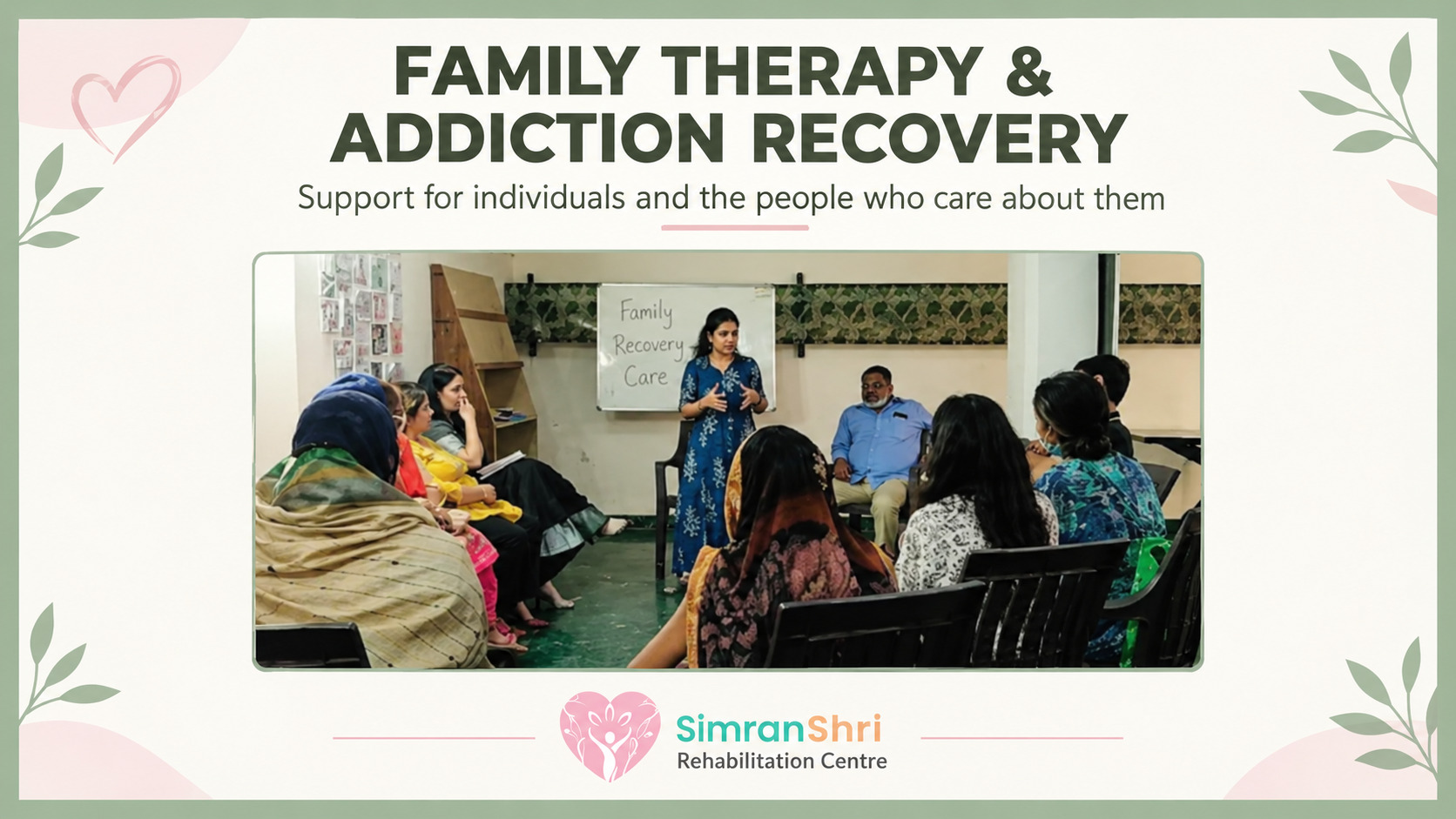
Family therapy can help relatives understand addiction, communicate more constructively, establish healthy boundaries, and recognise ways to support recovery without blame or stigma.
Families should ask how sessions are arranged, what information can be shared, and how confidentiality is maintained. Communication should respect the individual’s privacy and applicable consent requirements.
For people seeking a Nasha Mukti Kendra in Noida or a Nasha Mukti Kendra in Delhi, these policies are worth comparing alongside treatment methods, professional qualifications, safety arrangements, and accessibility.
6. Safety, Hygiene, and Environmental Responsibility
A suitable rehabilitation facility should maintain a safe, clean, and respectful environment. Families can ask about accommodation, sanitation, drinking water, food hygiene, fire safety, emergency procedures, and arrangements for medical referrals.
Environmental responsibility also matters. Depending on the services provided, facilities may need procedures for sanitation, wastewater management, general waste disposal, and biomedical waste handling under applicable regulations. Families should ask how these responsibilities are managed rather than assuming that a promotional claim proves compliance.
SimranShri Rehabilitation Centre identifies itself as a government-approved centre and reports eight years of experience, more than 30 years of combined staff experience, and support for over 2,000 families across North India. Families should verify the relevant approval or registration documents, applicable safety arrangements, and service details before making an admission decision.
7. Relapse Prevention and Aftercare
Completing an initial treatment programme does not mean that recovery challenges automatically disappear. Returning home may bring familiar routines, stress, social pressure, and exposure to substance-related triggers.
A Nasha Mukti Kendra should explain how it prepares individuals for life after treatment. Depending on the person’s needs, an aftercare plan may include continued counselling, follow-up appointments, family support, peer support, and strategies for managing cravings.
What should a recovery plan cover?
- Identifying triggers and early warning signs.
- Developing practical ways to manage stress.
- Building healthy routines and supportive relationships.
- Arranging follow-up treatment when required.
- Knowing where to seek professional help if difficulties return.
Relapse is not proof that recovery is impossible. It may indicate that the treatment plan needs reassessment or additional support. A realistic programme recognises that recovery can take time and that ongoing care may be beneficial.
SimranShri Rehabilitation Centre lists alcohol addiction treatment, drug addiction treatment, detoxification and withdrawal management, de-addiction counselling, family therapy, and relapse prevention and aftercare among its services. Families can discuss which options are currently available and appropriate for their circumstances.
Choosing the Right Nasha Mukti Kendra
Selecting a rehabilitation facility involves more than comparing location or fees. Families should look for transparent admission policies, appropriate professional care, individualised treatment, safe living conditions, clear costs, and a practical plan for continued recovery.
For families exploring a Nasha Mukti Kendra in Noida, SimranShri Rehabilitation Centre is located at A-46, Block A, Sector 92, Noida, Uttar Pradesh 201304. Admission enquiries can be made at +91 9958024680 or by email at help@simranshrirehab.com. Families can also review the centre’s rehabilitation fees and admission process before contacting the team.
The most suitable Nasha Mukti Kendra is one that explains its services honestly, recognises the individual’s needs, and supports informed decisions at every stage of treatment.
Frequently Asked Questions
1. What happens first at a Nasha Mukti Kendra?
The process generally begins with an admission discussion and assessment of substance use, physical health, mental health, and withdrawal risks. The findings help determine an appropriate treatment plan.
2. How long does treatment at a Nasha Mukti Kendra take?
Treatment duration varies according to the person’s condition, substance use history, progress, and continuing care needs. Families should ask the treating professionals about the proposed programme and how progress will be reviewed.
3. Is detoxification enough to overcome addiction?
No. Detoxification addresses withdrawal-related needs but does not necessarily resolve the psychological, behavioural, and social factors associated with addiction. Counselling, appropriate clinical care, and continuing support may also be needed.
4. Can families participate in addiction treatment?
Yes, family involvement may be included when appropriate and consistent with the individual’s preferences, consent, and confidentiality requirements. Family sessions can support communication and help relatives understand recovery.
5. How can families choose a reliable Nasha Mukti Kendra?
Check applicable registration and approval documents, professional credentials, medical and emergency arrangements, treatment methods, patient rights, fees, hygiene standards, and aftercare provisions. Ask for clear answers before making an admission decision.