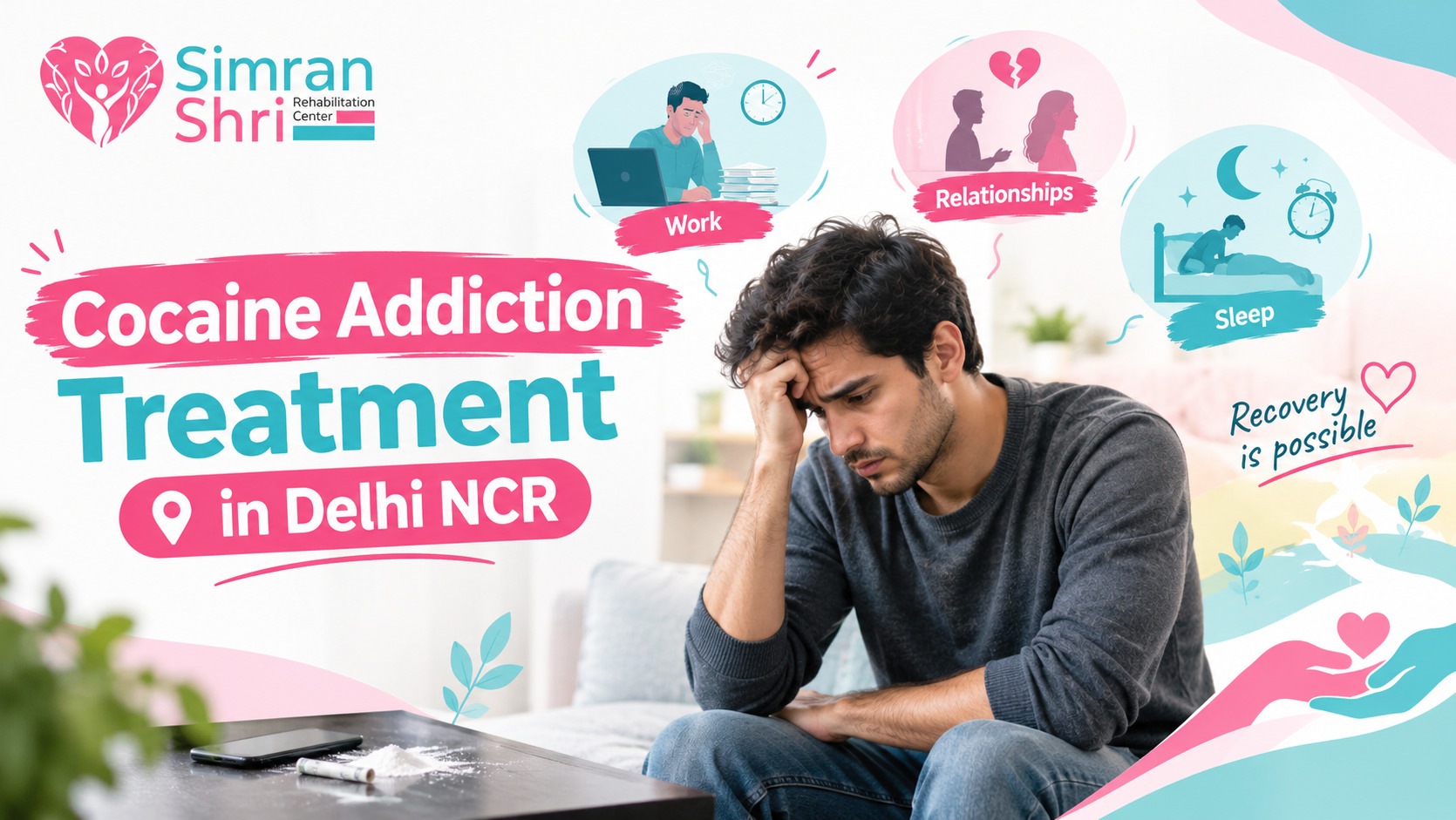
At first, the changes may seem manageable. Someone starts sleeping less, becomes unusually restless, misses work deadlines, or gets irritated over small things. Family members may notice changes in behaviour but struggle to understand what is happening. Gradually, cocaine use can begin affecting everyday responsibilities, relationships, physical health, and emotional well-being.
When these changes become difficult to ignore, it may be time to consider Cocaine Addiction Treatment in Delhi NCR. Recognising the problem early can help individuals and families explore appropriate professional support before the situation becomes more complicated.
Cocaine dependence is not simply a matter of poor choices or a lack of willpower. It can involve powerful cravings, changes in mood, and repeated patterns of substance use despite harmful consequences. Understanding these effects is an important first step towards seeking help.
When Everyday Life Starts Changing
Addiction does not always become obvious overnight. Sometimes, the warning signs appear in ordinary situations that gradually become harder to manage.
Work begins to suffer
A person who previously managed responsibilities well may start missing deadlines, arriving late, losing concentration, or struggling to maintain a consistent routine. Financial difficulties and unexplained absences may also create additional pressure.
Cocaine can temporarily increase alertness and energy, but these effects do not make it a safe or reliable way to improve performance. Sleep disruption, anxiety, and the effects that follow stimulant use can interfere with work and decision-making.
Relationships become strained
Family members and partners may experience repeated arguments, broken promises, secrecy, or changes in communication. A person struggling with cocaine use may withdraw from loved ones or become defensive when someone raises concerns.
It is important to remember that these behaviours can have different causes. They should not be used alone to diagnose addiction. However, when they occur alongside repeated cocaine use and difficulty stopping, a professional assessment may be helpful.
Sleep no longer feels normal
Cocaine is a stimulant that can interfere with normal sleep patterns. Some people find it difficult to fall asleep, experience restlessness, or feel exhausted after periods of wakefulness. Poor sleep can then contribute to irritability, reduced concentration, and emotional difficulties.
Trying to manage this cycle with alcohol, sleeping pills, or other substances without medical advice can introduce further risks.
When work, relationships, and sleep are all being affected, it is worth looking beyond individual incidents and considering the wider pattern.
Why Is Cocaine So Difficult to Stop Using?
Cocaine affects brain systems involved in reward, motivation, and alertness. Repeated use can contribute to cravings and make it difficult to stop, even when a person recognises the consequences.
After stopping or reducing use, some individuals experience fatigue, low mood, anxiety, sleep changes, or strong cravings. These symptoms can make returning to cocaine feel tempting, particularly during stressful periods.
This does not mean recovery is impossible. It means that treatment should address more than the immediate decision to stop using the substance.
Professional Cocaine Addiction Treatment in Delhi NCR may involve an assessment of substance use, physical health, psychological well-being, and the person’s social circumstances. The appropriate approach depends on individual needs and should be guided by qualified healthcare professionals.
What Does Treatment Actually Involve?
There is no single treatment plan that works for everyone. Quality care begins by understanding what the individual is experiencing and identifying the support required.
1. Initial assessment
A qualified professional can review the person’s substance use history, sleep difficulties, mood changes, physical symptoms, and any other substances or medications involved. This helps determine whether routine outpatient support, a structured rehabilitation programme, or urgent medical care is appropriate.
2. Medical and psychological support
Cocaine-related problems can involve anxiety, depression, cardiovascular complications, and other health concerns. Medical evaluation is important when symptoms indicate a possible health risk.
Psychological treatment can help individuals identify triggers, manage cravings, develop coping skills, and address behaviours associated with continued use. Depending on the person’s circumstances, clinicians may recommend evidence-based approaches such as cognitive behavioural therapy.
3. Building a healthier routine
Recovery may involve gradually restoring regular sleep, balanced meals, physical activity where medically appropriate, and meaningful daily activities. These steps can support general well-being, although they do not replace professional addiction treatment.
4. Continuing support
Treatment should also consider what happens after a formal programme ends. Follow-up counselling, supportive relationships, and a plan for managing high-risk situations can help individuals respond to challenges before they become overwhelming.
Unlike some substance withdrawal syndromes, cocaine withdrawal does not typically cause the same pattern of dangerous physical complications associated with severe alcohol withdrawal. However, depression, severe psychological distress, and suicidal thoughts can occur. Urgent medical assessment is essential when serious symptoms develop.
Finding the Right Professional Support in Delhi NCR
Searching for Cocaine Addiction Treatment in Delhi NCR can bring up many facilities, but choosing a centre requires more than comparing locations or promotional claims.
A suitable Rehabilitation Centre in Delhi NCR should be able to explain its assessment procedures, treatment options, professional qualifications, privacy practices, costs, and emergency arrangements.
Families can ask:
- Who will assess the individual and oversee the treatment plan?
- Which medical and psychological services are available?
- How are emergencies and referrals to hospitals managed?
- What counselling and family-support options are offered?
- What follow-up arrangements are available after discharge?
People searching for a Nasha Mukti Kendra in Delhi NCR should also ask about applicable registrations and approvals, residents’ rights, informed consent, hygiene, fire safety, and the management of medical and other waste in accordance with relevant requirements.
A responsible facility should answer these questions clearly rather than promise guaranteed recovery.
How SimranShri Rehabilitation Centre Approaches Addiction Support
Located in Sector 92, Noida, SimranShri Rehabilitation Centre provides information about drug addiction treatment, alcohol addiction treatment, detox and withdrawal management, de-addiction counselling, family therapy, and relapse prevention and aftercare.
Founded by Ms. Geeta Tewari, the centre reports eight years of experience and support for more than 2,000 families across North India. It also reports that its staff have over 30 years of combined experience.
The professional names and roles provided by the centre include:
- Dr. Vikas Singhal — Psychiatrist
- Muskaan Trikah — RCI Registered Clinical Psychologist
- Shreya Sarkar — Mental Health Professional and Holistic Wellness Practitioner
- Mr. Vineet Sehgal — Senior Counselling Psychologist
- Mr. Cyril John — Visiting Counsellor
Families should confirm each professional’s current availability and involvement in the proposed treatment plan, as well as the services suitable for the individual’s clinical needs.
SimranShri Rehabilitation Centre also provides information about its admission process and fees so families can make informed enquiries before deciding on admission. Confidentiality procedures and the limits of privacy should be explained clearly before personal information is shared.
For someone experiencing Drug Addiction in Delhi NCR, or struggling with Alcohol Addiction in Delhi NCR alongside cocaine use, an individual assessment is especially important. Using multiple substances can increase health risks and affect the treatment approach.
A Family Member Is Struggling. What Can You Do?
Families often feel that they must either confront the person strongly or remain silent. Neither approach is always helpful.
Choose a calm moment to express specific concerns without insults or threats. Instead of labelling someone, explain what you have noticed: missed work, ongoing sleep problems, financial difficulties, or changes in behaviour. Encourage a conversation with a qualified healthcare professional.
Avoid trying to manage severe symptoms at home or forcing someone to stop prescribed medicines. If the individual is unwilling to seek help, family members can still consult a qualified professional for guidance on communication, boundaries, and safety.
Cocaine use can cause serious cardiovascular complications. Chest pain, difficulty breathing, seizures, collapse, or severe confusion require emergency medical attention. Suicidal thoughts or severe depression also need urgent professional support.
Conclusion: Take the Changes Seriously
When cocaine begins affecting work, relationships, and sleep, the consequences can extend well beyond substance use itself. Recognising the pattern creates an opportunity to seek an assessment, understand the available treatment options, and develop a realistic plan for recovery.
Cocaine Addiction Treatment in Delhi NCR should involve appropriate professional assessment, individualised psychological and medical support, respect for privacy, and planning for continuing care. Recovery can take time, but people do not have to navigate the process alone.
To enquire about available services, contact SimranShri Rehabilitation Centre at +91 9958024680 or help@simranshrirehab.com.
- Location: A-46, Block A, Sector 92, Noida, Uttar Pradesh 201304
- Admission process: https://simranshrirehab.com/admission-process/
- Fees information: https://simranshrirehab.com/cost-of-rehab-india/
- Directions: https://share.google/iNZvRIosaY8Xi3uau
The most important step is not to wait for every part of life to be affected before asking for professional help.
Frequently Asked Questions
1. How can cocaine use affect work and relationships?
Cocaine use may contribute to poor sleep, anxiety, irritability, concentration difficulties, financial problems, and conflict with family members. The effects vary between individuals, and a professional assessment can help clarify the concerns.
2. What does cocaine addiction treatment involve?
Treatment may include medical assessment, psychological counselling, behavioural therapies, support for sleep and emotional difficulties, and follow-up care. The plan should reflect the individual’s health, substance use history, and personal circumstances.
3. Is medical detoxification always necessary for cocaine use?
Not everyone requires a formal detoxification programme. However, medical assessment is important when there are significant symptoms, other substances are involved, or the person has additional health concerns. Severe depression or suicidal thoughts require urgent attention.
4. Can family members help someone seek treatment?
Yes. Calm communication, practical support, healthy boundaries, and appropriate family counselling may help. Families should avoid blame and seek professional guidance if the situation becomes difficult to manage.
5. How can I enquire about Cocaine Addiction Treatment in Delhi NCR at SimranShri Rehabilitation Centre?
Call +91 9958024680 or email help@simranshrirehab.com to ask about available services, professional involvement, admission requirements, and fees. Confirm that the proposed programme is suitable for the individual’s needs.